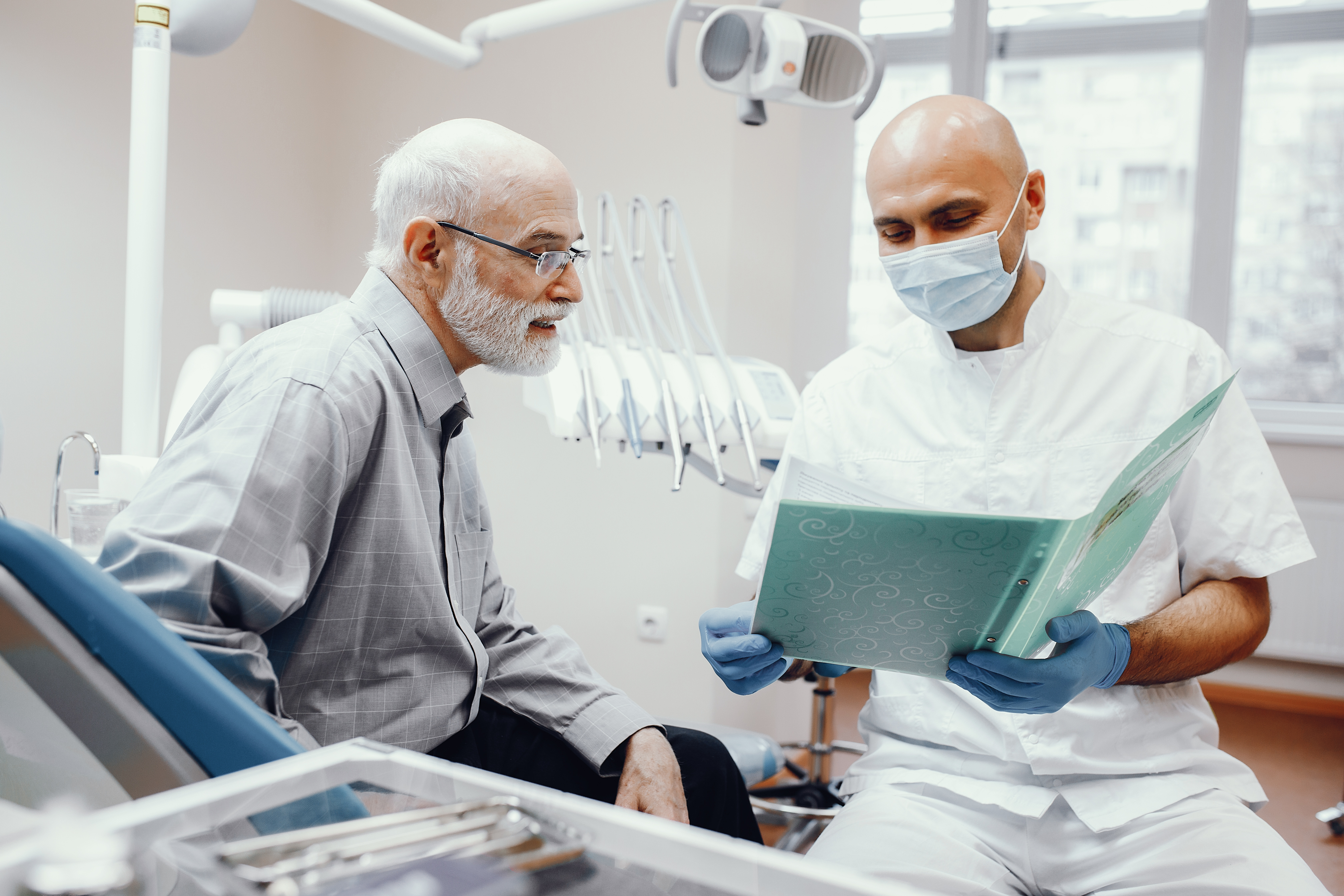

Choosing dental implants is a powerful step toward restoring your smile, confidence, and oral health. Unlike temporary fixes, dental implants offer a long-term solution that closely mimics natural teeth in both function and appearance.
The truth is, dental implant success is not just about the procedure itself. It involves preparation, healing, and consistent aftercare. Every stage of the journey plays a role in how smoothly and effectively your treatment progresses. At Campbell Dental Emergency Dentist in Campbell, CA, patients are guided through each step with a focus on both efficiency and long-term success. This blog explores practical, experience-driven strategies to help you move through your dental implant journey with confidence while protecting the health and stability of your new smile.
Understanding What “Faster” Means in Dental Implant Treatment
When it comes to dental implants, “faster” does not mean rushing the process. Dental implants rely on a biological process called osseointegration, where the implant fuses with the jawbone. This step is essential for long-term stability and cannot be forced.
Instead, a faster implant journey means:
- Smooth healing without complications
- Proper integration of the implant with the bone
- Minimal need for additional procedures
- Fewer delays between treatment stages
The goal is predictable, steady progress—not shortcuts. A well-planned treatment often saves time in the long run by avoiding setbacks.
The Importance of Pre-Treatment Planning
A successful dental implant journey begins long before the implant is placed. Thorough planning ensures that your mouth is ready to support the implant.
This includes:
- Evaluating bone density and gum health
- Treating existing dental issues such as infections or decay
- Creating a customized treatment plan
Patients who complete all preparatory steps properly often experience smoother procedures and faster recovery. Skipping or rushing this stage can lead to complications that delay the entire process.
Maintaining Excellent Oral Hygiene
Oral hygiene plays a critical role in how well your implant heals and integrates. Healthy gums and a clean oral environment support faster healing and reduce the risk of infection.
Simple but essential habits include:
- Brushing twice daily with a soft-bristled toothbrush
- Flossing carefully around the implant area
- Using an antibacterial mouthwash if recommended
- Keeping follow-up cleaning appointments
Neglecting oral hygiene can lead to inflammation or infection, which may slow healing or even jeopardize the implant.
Following Post-Surgery Instructions Carefully
After implant placement, your dentist will provide specific aftercare instructions. Following these closely is one of the most effective ways to ensure a smooth recovery.
Key guidelines often include:
- Avoiding hard or chewy foods during initial healing
- Taking prescribed medications as directed
- Avoiding smoking or alcohol, which can delay healing
- Resting adequately in the first few days
Patients who follow these instructions consistently tend to heal faster and experience fewer complications.
Nutrition and Healing: Fueling Your Recovery
Your body’s ability to heal plays a major role in the success of dental implants. Proper nutrition can support tissue repair and bone integration.
Focus on:
- Protein-rich foods to aid tissue healing
- Calcium and vitamin D for bone health
- Soft foods during early recovery
- Staying hydrated
Avoiding sugary and highly processed foods also helps maintain a healthy oral environment, supporting faster recovery.
Avoiding Habits That Delay Healing
Certain lifestyle habits can significantly slow down the implant process.
Common factors that affect healing include:
- Smoking or tobacco use
- Excessive alcohol consumption
- Poor oral hygiene
- Skipping follow-up appointments
Among these, smoking is one of the most impactful, as it reduces blood flow and interferes with healing. Patients who avoid these habits often experience better outcomes and a smoother treatment timeline.
Staying Consistent With Follow-Up Appointments
Dental implant treatment does not end with surgery. Regular check-ups are essential to monitor healing and ensure everything is progressing as expected.
During these visits, your dentist will:
- Check implant stability
- Monitor gum health
- Address any early signs of complications
- Plan the next stage of treatment
Attending appointments on time helps identify and resolve minor issues before they become major delays.
The Role of Bone Health in Implant Success
Strong, healthy bone is the foundation of a successful implant. In some cases, patients may require a bone graft before implant placement.
While this may seem like an added step, it actually improves long-term outcomes by:
- Providing better support for the implant
- Reducing the risk of implant failure
- Ensuring a more natural appearance
Patients who follow through with recommended procedures often achieve more stable and lasting results.
Managing Discomfort Without Interrupting Healing
Mild discomfort is a normal part of the recovery process. However, managing it properly ensures that healing continues uninterrupted.
Helpful tips include:
- Using cold compresses to reduce swelling
- Taking dentist-approved pain relief if needed
- Avoiding unnecessary pressure on the implant area
Ignoring discomfort or attempting to “push through” without proper care can lead to complications. Balanced management supports faster recovery.
Why Experience Matters in Dental Implant Treatment
The expertise of your dental provider plays a significant role in how efficiently your treatment progresses. Experienced professionals can anticipate challenges, plan effectively, and guide you through each stage with clarity.
At Campbell Dental Emergency Dentist, the focus is on:
- Personalized treatment planning
- Precise implant placement
- Ongoing patient guidance
This level of care helps reduce delays and ensures a smoother overall experience.
Staying Motivated Throughout the Process
Dental implant treatment can take time, but staying motivated helps you remain consistent with care and follow-up.
Simple ways to stay engaged include:
- Tracking your progress
- Focusing on the long-term benefits
- Asking questions during appointments
- Maintaining daily oral care routines
Patients who stay involved in their treatment often achieve better and more efficient outcomes.
Long-Term Benefits Over Speed
While efficiency is important, the ultimate goal of dental implants is long-term success. A properly placed and well-maintained implant can last for decades.
Benefits include:
- Improved chewing and speaking
- Enhanced facial structure
- Easier oral hygiene compared to other restorations
- Long-lasting confidence
Prioritizing quality ensures that your results are not only faster but also durable and reliable.
Conclusion
Optimizing your dental implant journey is not about rushing the process. It is about making informed decisions, maintaining consistent care, and working closely with your dental provider.
At Campbell Dental Emergency Dentist in Campbell, CA, patients are supported at every stage to ensure their treatment is both efficient and successful. By focusing on preparation, proper care, and healthy habits, you can achieve a strong, confident smile that lasts for years to come.
A successful dental implant journey is built step by step—and every good habit brings you closer to lasting results.
Frequently Asked Questions
1. Can dental implants heal faster with better care?
Yes. Following aftercare instructions, maintaining hygiene, and attending appointments all contribute to smoother and more efficient healing.
2. Does smoking affect implant success?
Absolutely. Smoking can delay healing and increase the risk of implant failure.
3. Are additional procedures like bone grafting necessary?
In some cases, yes. They help create a stable foundation, which improves long-term success and prevents delays later.