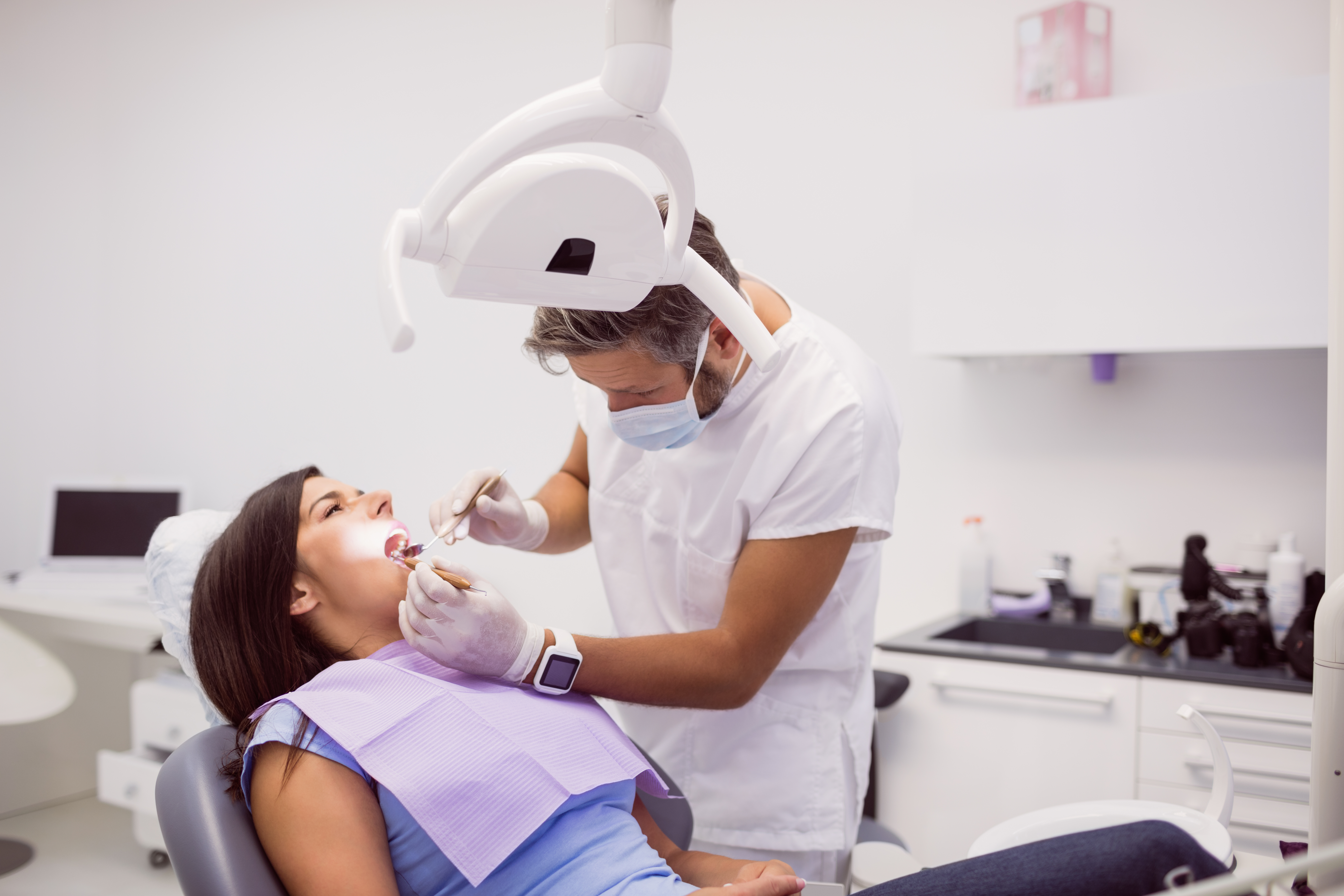

When a tooth becomes severely infected or injured, many people assume extraction is the only solution. Fortunately, modern endodontic treatment focuses on preserving your natural teeth whenever possible. Endodontics is a specialized area of dentistry that treats problems affecting the inside of the tooth, helping relieve pain, eliminate infection, and restore long-term oral health.
At Campbell Dental Emergency Dentist in Campbell, CA, we understand that hearing you need endodontic treatment can be intimidating. However, advances in dental technology and modern techniques have made these procedures more comfortable and effective than ever. Understanding what endodontics involves and how it benefits your smile can help you feel more confident about seeking timely treatment.
What Is Endodontics?
Endodontics is the branch of dentistry dedicated to diagnosing and treating conditions affecting the dental pulp and the tissues surrounding the roots of a tooth. The pulp contains nerves, blood vessels, and connective tissue that help a tooth develop during its early stages.
When bacteria enter the pulp through deep decay, cracks, repeated dental procedures, or trauma, infection and inflammation can develop. Without treatment, the infection may spread beyond the tooth, causing severe discomfort and potentially leading to tooth loss.
The primary goal of endodontic treatment is to remove the infection while preserving as much of the natural tooth as possible.
When Is Endodontic Treatment Needed?
Not every toothache requires endodontic care, but certain symptoms may indicate damage or infection inside the tooth.
You may benefit from endodontic treatment if you experience:
- Persistent tooth pain
- Sharp pain while chewing
- Lingering sensitivity to hot or cold foods and beverages
- Swollen or tender gums near a tooth
- A pimple-like bump on the gums
- Tooth discoloration
- Facial swelling
- Pain following a dental injury
Some infected teeth may not produce noticeable symptoms initially, making regular dental examinations essential for early diagnosis.
What Happens During Endodontic Treatment?
Knowing what to expect can help reduce anxiety before your appointment.
Comprehensive Examination
Your dentist begins by carefully examining the affected tooth and reviewing your symptoms. Digital X-rays help determine the location and extent of the infection while evaluating the surrounding bone and tissues.
Local Anesthesia
Before treatment begins, local anesthesia is administered to numb the tooth and surrounding area. This allows the procedure to be completed comfortably while minimizing discomfort.
Removing the Infection
A small opening is created in the tooth to access the infected pulp. Specialized instruments are used to gently remove the damaged tissue and thoroughly clean the internal canals.
Cleaning and Disinfecting
The inside of the tooth is carefully disinfected to eliminate bacteria and reduce the risk of future infection. The canals are then shaped to prepare them for sealing.
Sealing the Tooth
Once the canals have been cleaned, they are filled with a biocompatible material that helps protect the tooth from reinfection. The opening is sealed with a filling, and in many cases, a dental crown is recommended to restore strength and function.
Benefits of Endodontic Treatment
Modern endodontic care offers numerous advantages for patients experiencing tooth infections or internal damage.
Preserves Natural Teeth
Saving your natural tooth helps maintain proper chewing function, speech, and bite alignment while avoiding unnecessary extraction.
Eliminates Infection
Removing infected tissue prevents bacteria from spreading to surrounding teeth, gums, and jawbone.
Relieves Pain
Many patients experience significant relief from the persistent discomfort caused by infected dental pulp once treatment is completed.
Restores Function
Following restoration with a filling or crown, treated teeth can often function normally for many years with proper care.
Supports Long-Term Oral Health
Keeping your natural teeth whenever possible contributes to a healthier, more stable smile over time.
Can Endodontic Problems Be Prevented?
Although not every dental injury can be avoided, many causes of pulp infection are preventable with good oral hygiene and routine dental care.
Healthy habits include:
- Brushing twice daily using fluoride toothpaste
- Flossing every day
- Limiting sugary snacks and beverages
- Wearing a mouthguard during contact sports
- Avoiding chewing ice or hard objects
- Scheduling regular dental examinations and professional cleanings
- Seeking prompt treatment for cavities or cracked teeth
Addressing minor dental concerns early often prevents more extensive treatment later.
Recovery After Endodontic Treatment
Most patients return to their normal routine within a day following treatment. Mild tenderness or sensitivity may occur for a few days but typically improves with over-the-counter pain medication if recommended by your dentist.
To promote healing:
- Avoid chewing on the treated tooth until your permanent restoration is placed.
- Continue brushing and flossing carefully around the area.
- Attend all follow-up appointments.
- Contact your dentist if swelling, severe pain, or unusual symptoms develop after treatment.
Proper aftercare helps ensure successful healing and long-term results.
Why Early Treatment Matters
Ignoring symptoms of an infected tooth can allow the condition to worsen over time. Untreated infections may spread into the surrounding bone and soft tissues, increasing the risk of abscess formation, severe pain, and eventual tooth loss.
Seeking care as soon as symptoms appear often makes treatment more straightforward and helps preserve your natural tooth.
Protect Your Smile with Expert Endodontic Care
Endodontic treatment is designed to save teeth that might otherwise require extraction. By removing infection, relieving pain, and restoring strength, this specialized care helps patients maintain healthy, functional smiles for years to come.
At Campbell Dental Emergency Dentist in Campbell, CA, our team is committed to providing compassionate, high-quality dental care using modern techniques that prioritize both your comfort and your long-term oral health. Whether you are experiencing persistent tooth pain or have been diagnosed with an infected tooth, we are here to help you explore the best treatment options.
To schedule an appointment, call 4159289909 and let our experienced team help restore your smile and protect your oral health.
Frequently Asked Questions
1. What is endodontics?
Endodontics is a branch of dentistry that focuses on treating problems involving the dental pulp and tooth roots. Its primary goal is to save natural teeth affected by infection or injury.
2. Is endodontic treatment painful?
Modern endodontic procedures are performed using local anesthesia, making treatment much more comfortable than many people expect. Most patients report that the procedure feels similar to receiving a dental filling.
3. How do I know if I need endodontic treatment?
Persistent tooth pain, prolonged sensitivity to hot or cold, swelling around a tooth, tooth discoloration, or pain while chewing may indicate that the dental pulp has become infected and should be evaluated by a dentist.
4. How long does a treated tooth last?
With proper oral hygiene, regular dental checkups, and any recommended restorations such as a crown, a tooth treated with endodontic therapy can often last for many years or even a lifetime.
5. Can I prevent needing endodontic treatment?
Good oral hygiene, routine dental examinations, prompt treatment of cavities, wearing a mouthguard during sports, and avoiding hard objects that may crack teeth can significantly reduce the risk of pulp infection and the need for endodontic treatment.