A healthy smile is about more than having clean, attractive teeth. It also means protecting your gums, preventing oral health problems, and addressing small concerns before they become more complicated. General dentistry plays an essential role in maintaining your oral health by providing preventive care, routine examinations, and treatments that keep your teeth functioning comfortably.
Whether you are due for a regular checkup or have noticed sensitivity, bleeding gums, or discomfort while chewing, understanding the importance of general dental care can help you make confident decisions about your smile. With consistent home care and professional guidance, maintaining healthy teeth does not have to feel overwhelming.
What Does General Dentistry Include?
General dentistry focuses on the prevention, diagnosis, and treatment of common dental conditions. It helps patients maintain healthy teeth and gums throughout different stages of life, from childhood through adulthood.
Rather than waiting until something hurts, regular dental visits allow potential problems to be identified early. Your dentist can assess your oral health, recommend appropriate treatments, and help you develop habits that support long-term dental wellness.
Essential Services for Everyday Oral Health
General dental care includes several services designed to protect your smile.
- Routine Dental Examinations: Regular checkups help identify cavities, gum inflammation, damaged teeth, and other concerns before they progress.
- Professional Teeth Cleaning: Dental cleanings remove plaque and hardened tartar that brushing and flossing alone cannot eliminate completely.
- Tooth-Colored Fillings: Fillings restore teeth affected by decay and help maintain their normal function.
- Gum Health Assessments: Evaluations help identify early signs of gum disease and determine whether additional treatment is needed.
- Preventive Recommendations: Personalized advice helps patients improve brushing techniques, flossing habits, and daily oral hygiene.
Your treatment needs will depend on your dental condition, medical history, and individual oral health goals.
Why Preventive Dental Care Matters More Than You Think
Many dental problems develop gradually without causing noticeable discomfort in their early stages. A small cavity, for example, may not hurt initially, but untreated decay can eventually affect deeper layers of the tooth.
Preventive dentistry helps reduce the likelihood of these problems becoming more serious. During a routine appointment, your dentist can examine areas that may be difficult to see at home and recommend appropriate care.
Recognizing Problems Before They Become Painful
Pay attention to changes such as persistent tooth sensitivity, bleeding gums, bad breath, or discomfort when biting. These symptoms do not always indicate a serious condition, but they deserve professional attention.
Early evaluation can help determine the cause and identify suitable treatment options. Addressing concerns promptly may also reduce the need for more extensive procedures later.
How Often Should You Visit a General Dentist?
Many people benefit from dental checkups and professional cleanings approximately every six months. However, this schedule is not appropriate for everyone. Patients with gum disease, frequent cavities, or other oral health concerns may need more frequent appointments.
Your dentist can recommend an interval based on your individual risk factors and treatment history.
What Happens During a Routine Dental Appointment?
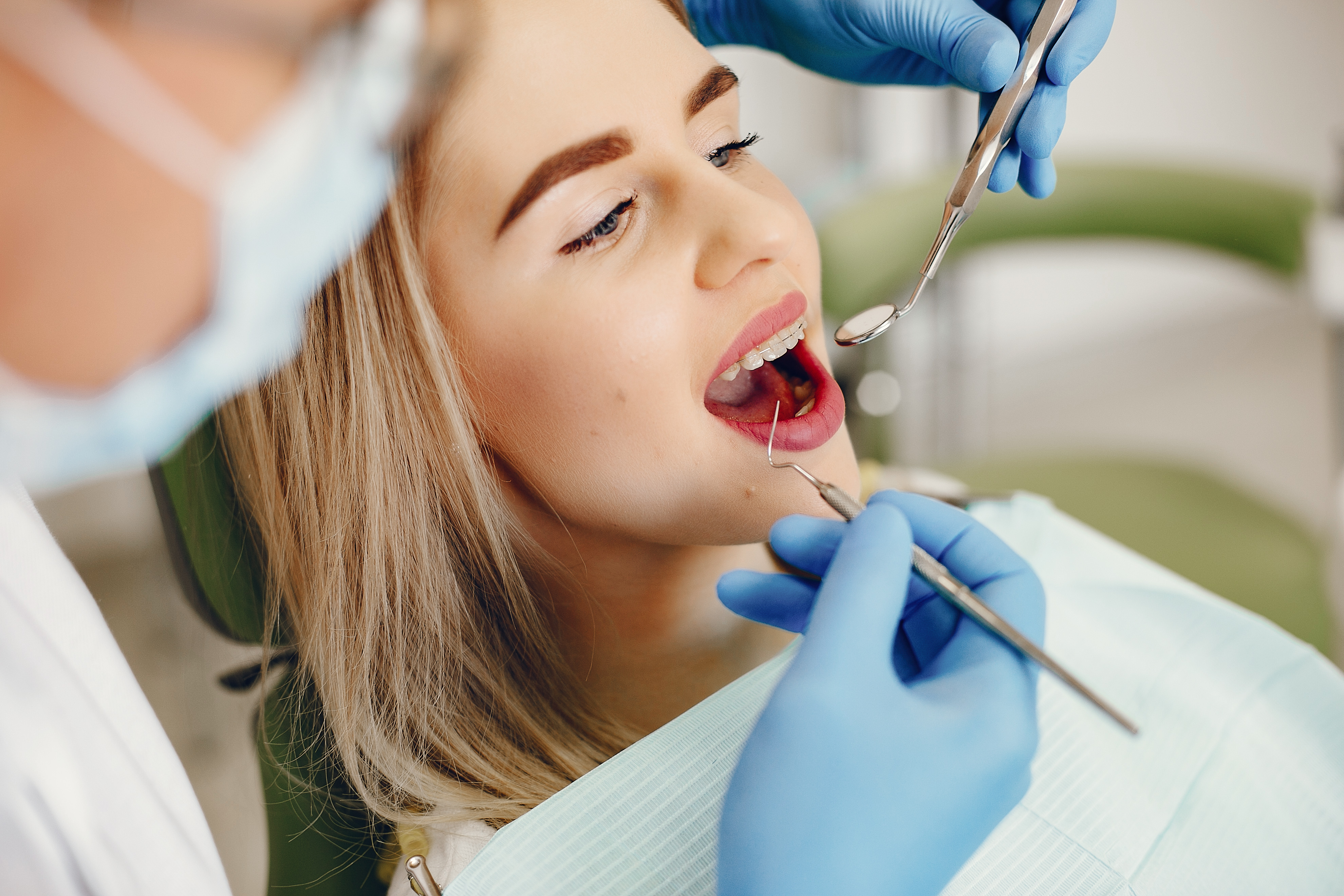
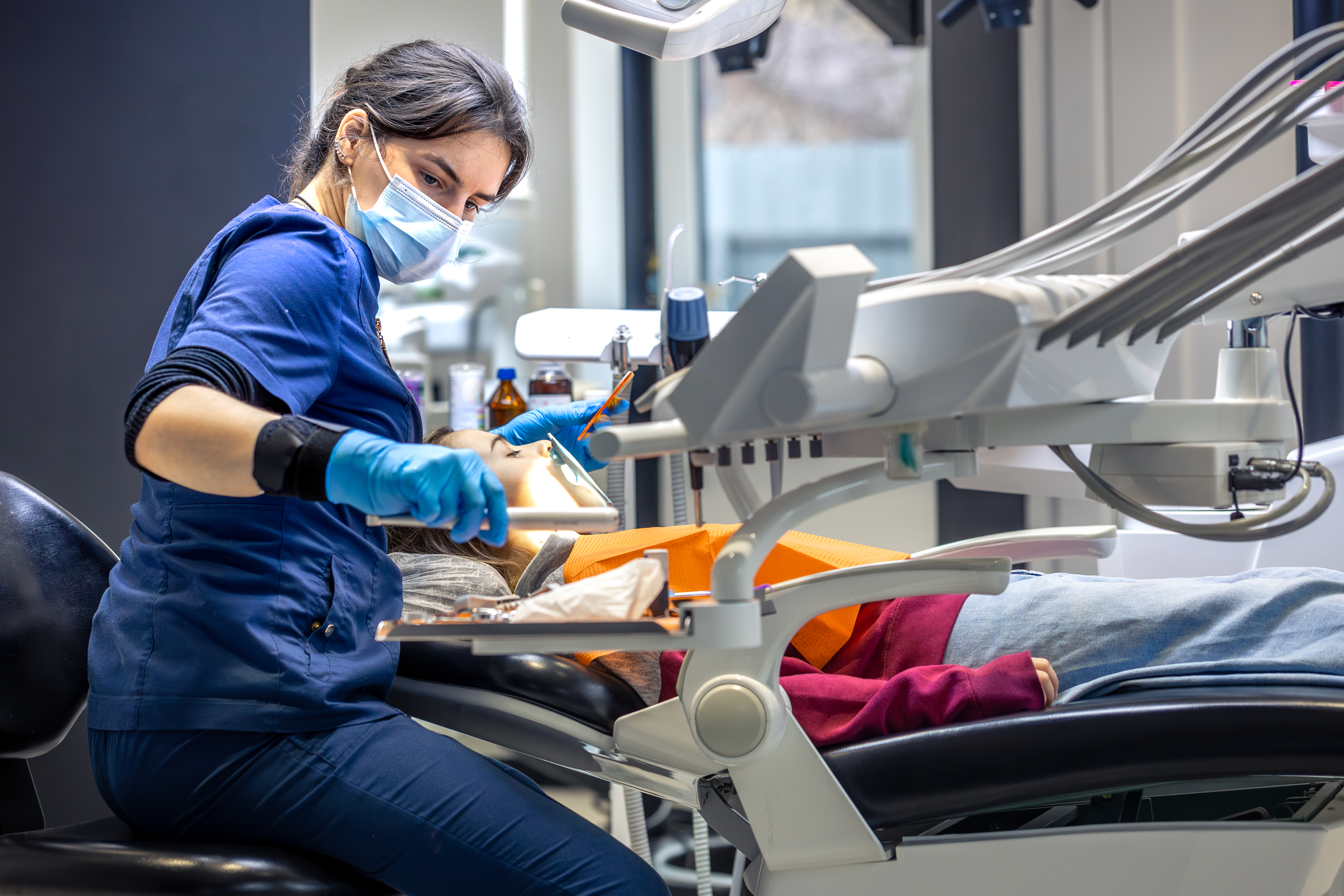
A typical visit may include an examination of your teeth, gums, and other oral tissues. Your dentist may also assess existing dental restorations, check your bite, and recommend X-rays when clinically necessary.
Professional cleaning helps remove accumulated plaque and tartar, while the examination allows your dental team to discuss any concerns.
You can make appointments more productive by sharing changes in your oral health, medications, sensitivity, or discomfort. Asking questions also helps you understand your treatment options and make informed decisions.
Simple Daily Habits That Protect Your Teeth
Professional dental care works best when combined with a consistent home routine. Small habits practiced every day can make a meaningful difference in your long-term oral health.
Build a Reliable Oral Hygiene Routine
Brush twice daily with fluoride toothpaste and a soft-bristled toothbrush. Use gentle, thorough movements to clean every tooth surface and the gumline without brushing aggressively.
Clean between your teeth daily using dental floss or another suitable interdental cleaning tool. These areas can collect plaque even when your teeth appear clean.
Replace your toothbrush when its bristles become frayed, and follow your dentist’s recommendations for additional preventive products.
Make Smart Choices About Food and Drinks
Frequent exposure to sugary foods and acidic beverages can increase the risk of tooth decay and enamel erosion. Try to limit sugary snacks between meals and choose water regularly throughout the day.
A balanced diet containing vegetables, fruits, whole grains, and calcium-rich foods can support overall health, including the structures that maintain your smile.
Avoid tobacco products and discuss any habits that may affect your oral health with your dental provider.
When Should You Seek Dental Attention?
Routine appointments are important, but certain symptoms require attention sooner than your next scheduled checkup.
Contact a dental professional if you experience persistent toothache, swelling around a tooth, a cracked tooth, or increasing sensitivity. Prompt assessment can help determine whether treatment is necessary.
Severe facial swelling, difficulty breathing or swallowing, or swelling that spreads rapidly requires emergency medical attention.
If you experience sudden dental pain or damage, Campbell Dental Emergency Dentist can help you understand your options for seeking appropriate dental care.
Supporting Long-Term Oral Health With General Dentistry
Maintaining a healthy smile does not depend on a single appointment. It comes from combining regular dental examinations, professional cleanings, good daily habits, and timely treatment when concerns arise.
Campbell Dental Emergency Dentist can be a resource for patients seeking guidance about dental concerns and appropriate care. If you have questions about your oral health or need help addressing a dental problem, call 415-928-9909 to discuss your needs and arrange an appointment.
Taking action today can help you protect your natural teeth, maintain comfortable chewing, and support a healthier smile for years to come.
Frequently Asked Questions
1. What is the main purpose of general dentistry?
General dentistry focuses on preventing, identifying, and treating common oral health problems. Services may include examinations, professional cleanings, fillings, gum health assessments, and personalized preventive recommendations.
2. How often should I schedule a dental checkup?
Many patients benefit from visiting a dentist every six months. However, the ideal frequency depends on your oral health, history of dental problems, and individual risk factors. Your dentist can recommend a suitable schedule.
3. Can regular dental visits prevent cavities?
Regular examinations and professional cleanings can help reduce the risk of cavities by identifying early signs of decay and removing plaque and tartar. Brushing with fluoride toothpaste, cleaning between teeth, and limiting frequent sugar exposure also help protect against tooth decay.
4. What symptoms mean I should see a dentist sooner?
Persistent tooth pain, bleeding gums, swelling, sensitivity, damaged teeth, and discomfort when chewing are reasons to seek a dental evaluation. Severe swelling or difficulty breathing or swallowing requires emergency medical attention.
5. Is general dentistry important even if my teeth do not hurt?
Yes. Dental problems can develop before noticeable symptoms appear. Routine examinations help identify potential concerns early, while preventive care supports healthy teeth and gums over time.