At Campbell Dental Emergency Dentist, we believe general dentistry is about much more than keeping your teeth clean and your smile looking its best. Your oral health plays an important role in your daily comfort, nutrition, confidence, and overall quality of life. For patients in Campbell, CA, regular dental care can help identify potential problems early and support a healthier mouth for years to come.
Why Your Oral Health Matters Beyond Your Smile
Your mouth is closely connected to the rest of your body. Teeth, gums, the tongue, and other oral tissues can be affected by your daily habits, diet, hygiene routine, and overall health.
When oral health problems are ignored, seemingly minor concerns can develop into more serious dental conditions. Tooth decay can progress into infection, while untreated gum inflammation can damage the tissues supporting your teeth. Regular general dentistry provides an opportunity to identify these concerns before they become more complicated.
Routine dental visits also allow your dentist to monitor changes in your oral health and recommend preventive care based on your individual needs.
Common Oral Health Problems That Require Attention
Several dental conditions can develop gradually without causing obvious symptoms in the beginning.
Tooth Decay
Cavities develop when bacteria and acids damage the protective enamel of your teeth. Without treatment, decay can reach deeper layers of the tooth and eventually cause pain, sensitivity, or infection. General dental examinations help identify decay early so appropriate treatment can be recommended.
Gum Disease
Plaque buildup around the gumline can cause irritation, redness, swelling, and bleeding. If gum disease progresses, it may affect the tissues and bone that support your teeth. Consistent brushing, flossing, professional cleanings, and regular dental examinations are important for maintaining healthy gums.
Tooth Sensitivity
Sensitivity to hot, cold, sweet, or acidic foods can sometimes indicate enamel wear, gum recession, decay, or other dental concerns. Rather than simply avoiding foods that trigger sensitivity, it is important to determine what is causing the problem.
Dental Infections
An untreated cavity, cracked tooth, or damaged dental restoration can sometimes lead to infection. Dental infections may cause persistent pain, swelling, tenderness, or difficulty chewing and should receive prompt professional attention.
How Preventive Dentistry Can Protect Your Smile
Preventive care is one of the most important parts of general dentistry. Instead of waiting until a tooth begins hurting, regular dental care focuses on maintaining your oral health and detecting potential concerns early.
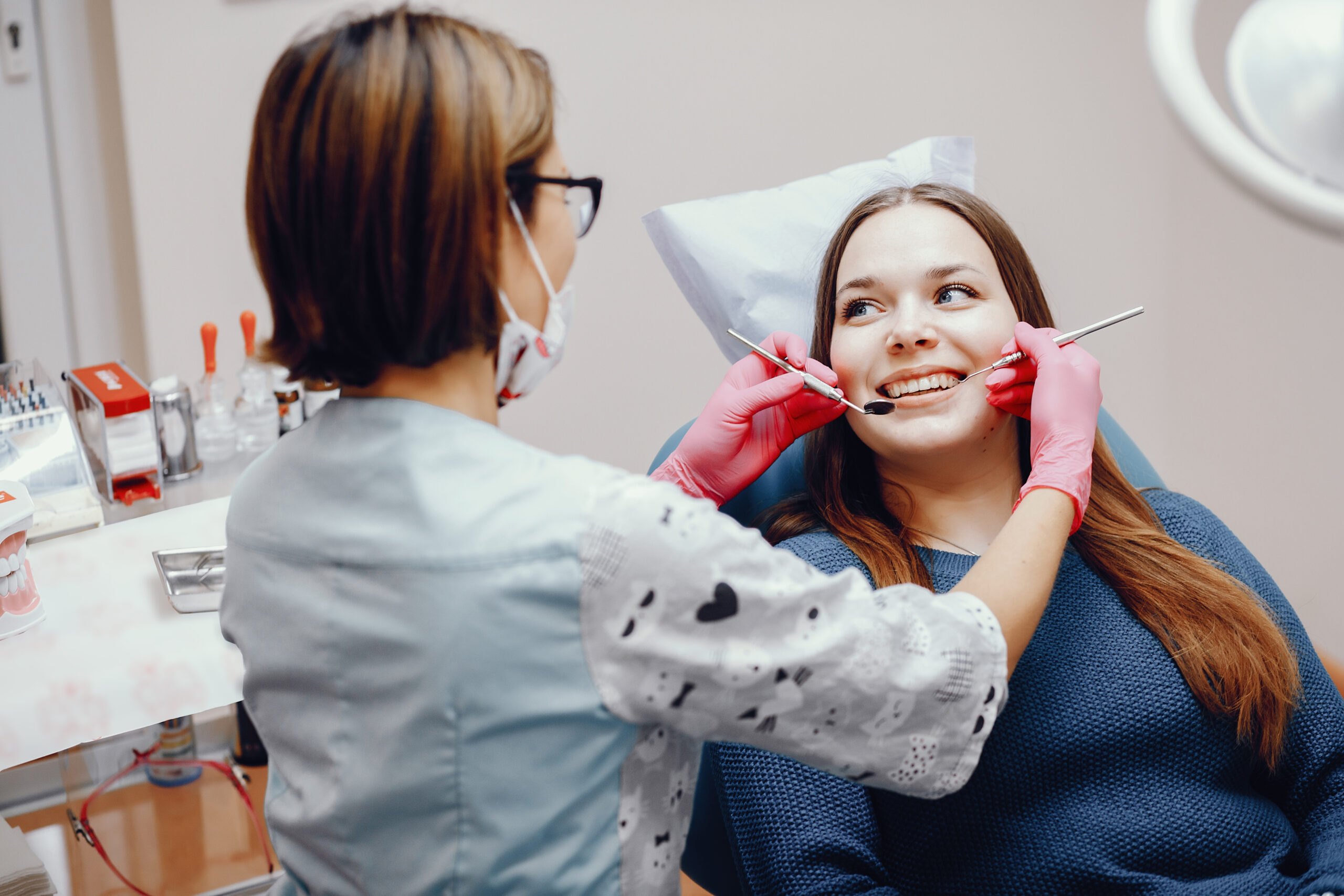
A typical preventive dental visit may include an examination of your teeth and gums, professional cleaning, evaluation of existing dental work, and recommendations for improving your home care routine. Dental X-rays may also be recommended when appropriate to help identify problems that cannot be seen during a visual examination.
Early detection can make treatment simpler and may help prevent dental problems from becoming emergencies.
Everyday Habits That Support Better Oral Health
Your daily routine has a significant impact on the health of your teeth and gums. Consider these simple habits:
- Brush twice a day: Use fluoride toothpaste and brush carefully for approximately two minutes each time.
- Clean between your teeth: Floss or use another dentist-recommended interdental cleaning method to remove plaque from areas your toothbrush cannot reach.
- Be mindful of your diet: Limit frequent sugary snacks and beverages that can contribute to tooth decay.
- Drink plenty of water: Water can help rinse away food particles and support a healthy oral environment.
- Do not ignore dental symptoms: Pain, swelling, bleeding gums, sensitivity, or a damaged tooth can be signs that you need professional evaluation.
- Keep regular dental appointments: Consistent examinations and cleanings help your dental team monitor your oral health over time.
When a Dental Problem Needs Prompt Attention
Some dental concerns should not be postponed. A severe toothache, facial swelling, a broken or knocked-out tooth, significant bleeding, or symptoms associated with a dental infection may require prompt dental attention.
At Campbell Dental Emergency Dentist, patients experiencing urgent dental concerns can seek professional assistance in Campbell, CA. Addressing a dental problem early may help prevent additional discomfort and complications.
General Dentistry for Long Term Oral Health
General dentistry provides the foundation for maintaining a healthy smile. Preventive examinations, professional cleanings, restorative treatments, and timely evaluation of dental symptoms can all contribute to better oral health.
The goal is not simply to treat problems when they occur. It is to help you understand your oral health, recognize potential concerns early, and establish habits that protect your teeth and gums over time.
If you live in Campbell, CA, maintaining regular dental care can be an important part of taking care of yourself. Whether you need a routine dental examination or have a dental concern that requires prompt attention, Campbell Dental Emergency Dentist is here to help you take the next step toward better oral health.
Frequently Asked Questions
1. What does general dentistry include?
General dentistry focuses on the prevention, diagnosis, and treatment of common dental conditions. Services may include dental examinations, professional cleanings, fillings, treatment planning, and other procedures based on your individual oral health needs.
2. How often should I have a dental examination?
Many patients benefit from visiting the dentist approximately every six months, although the ideal schedule can vary. Your dentist may recommend more frequent visits if you have gum disease, recurring cavities, or other specific dental concerns.
3. Can a cavity cause a dental emergency?
Yes. A cavity that remains untreated can progress deeper into the tooth and potentially cause significant pain or infection. Prompt evaluation can help determine the appropriate treatment before the condition becomes more serious.
4. When should I seek emergency dental care?
Severe tooth pain, facial or oral swelling, a knocked-out tooth, a significantly broken tooth, uncontrolled bleeding, or possible dental infection are examples of situations that may require prompt dental attention.
5. Does brushing alone protect my teeth?
Brushing is essential, but it does not clean every surface of your mouth. Cleaning between your teeth and maintaining regular professional dental visits are also important for removing plaque and monitoring your oral health.
6. Why is preventive dental care important?
Preventive care helps identify potential dental problems before they become more advanced. Regular examinations and cleanings can support healthier teeth and gums while helping you address concerns early.