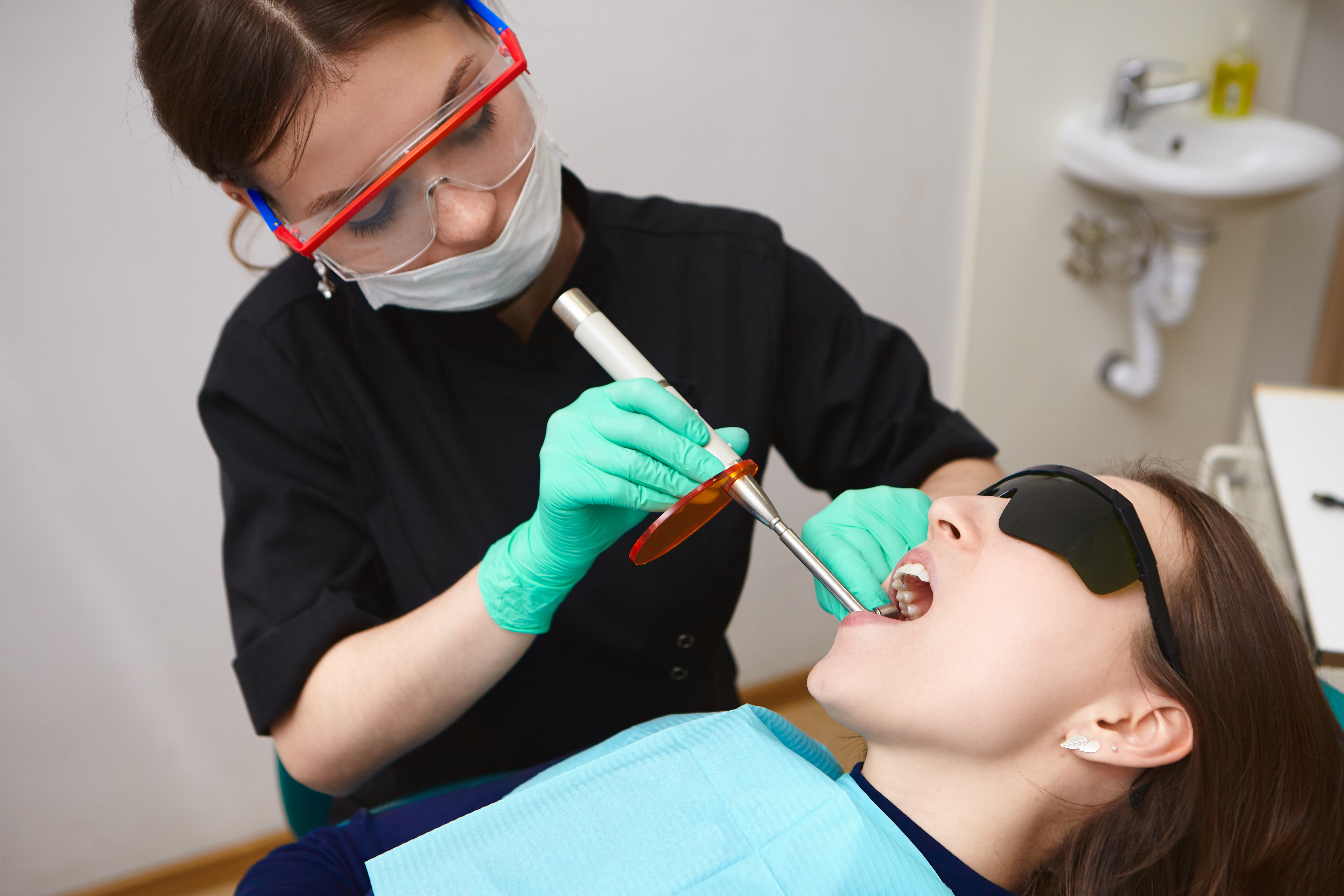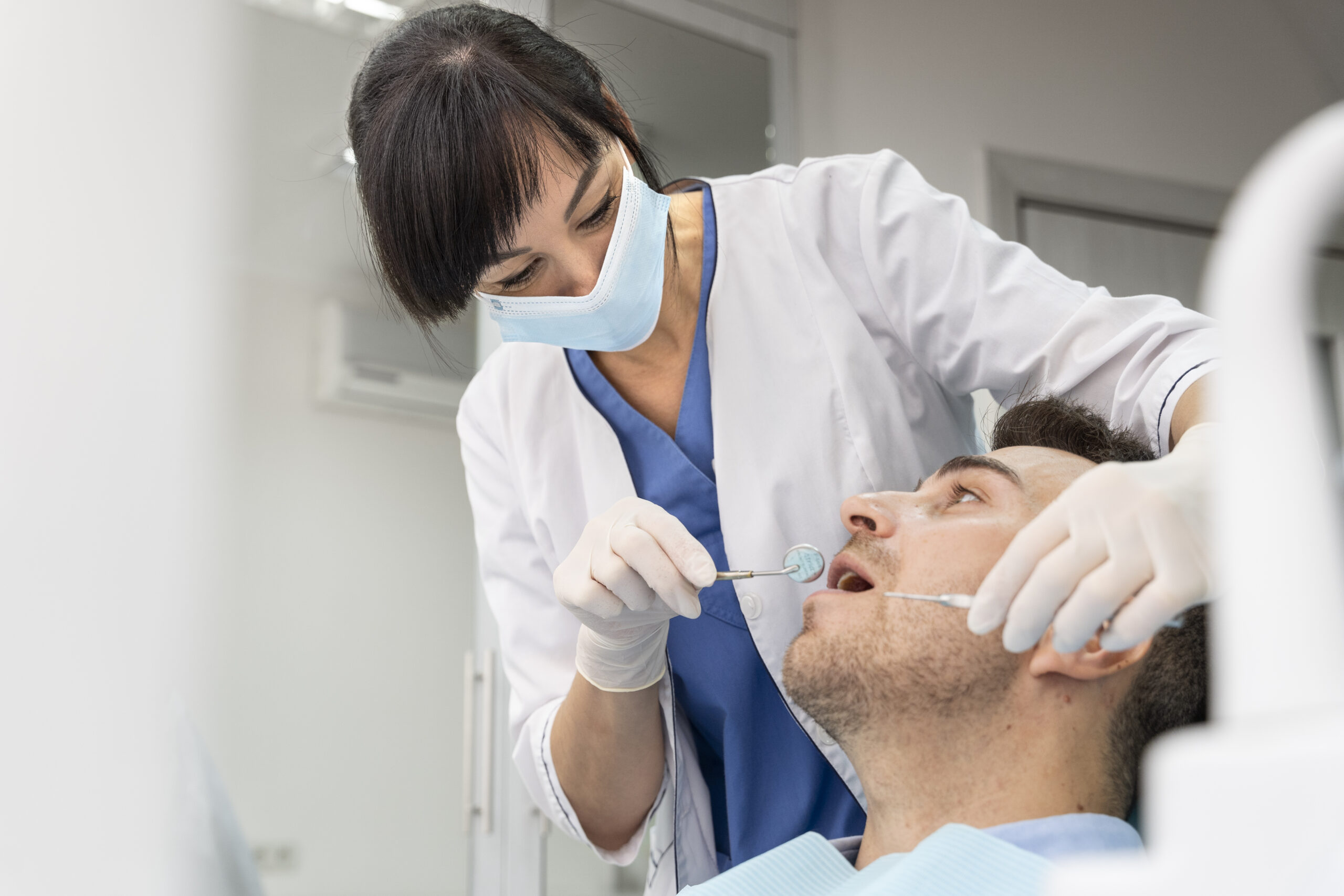
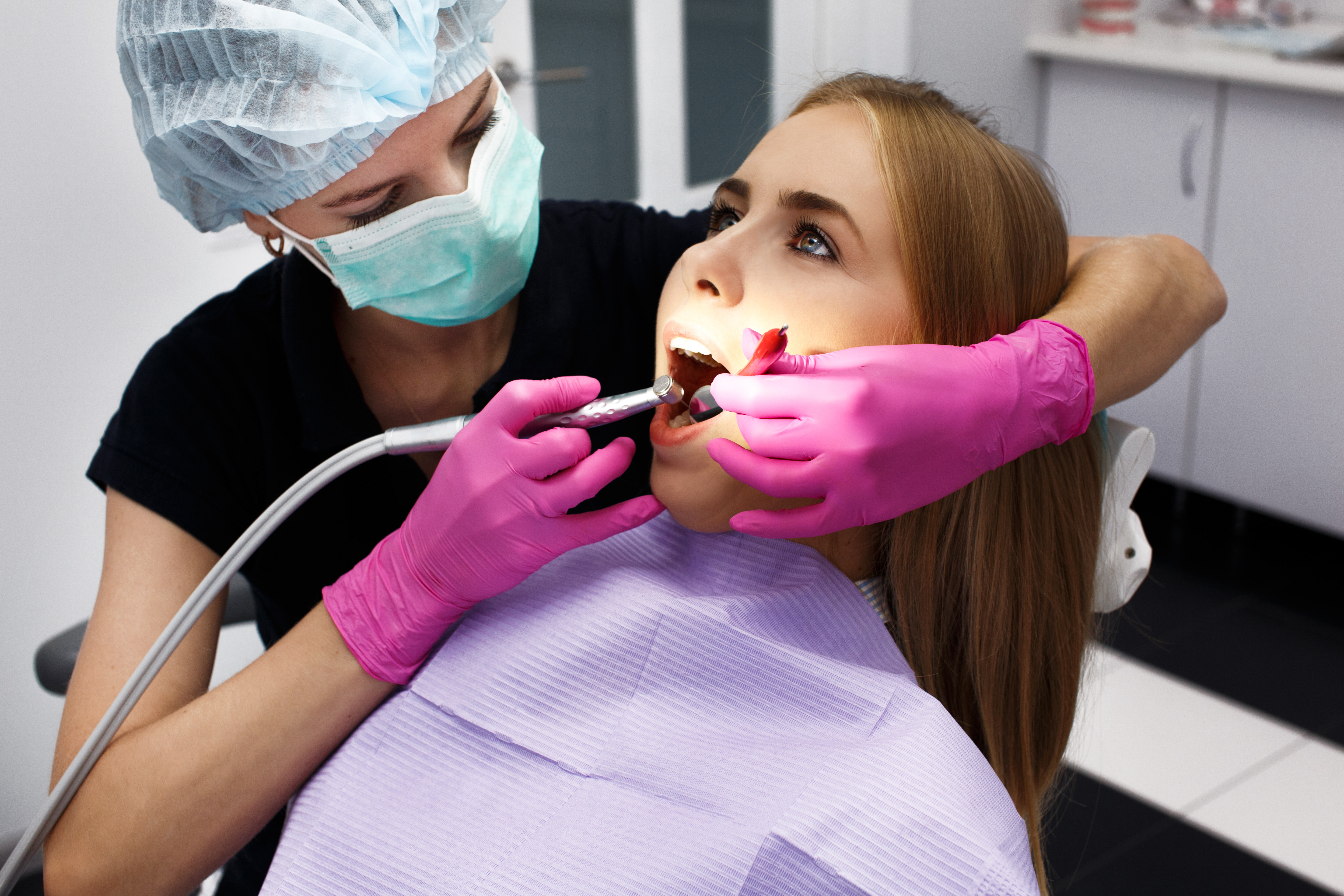
A persistent toothache can be easy to ignore at first, but pain that keeps coming back, sensitivity that lingers, or swelling around a tooth may be signs of a deeper problem. When the soft tissue inside a tooth becomes infected or inflamed, saving the tooth often requires specialized treatment rather than extraction.
At Campbell Dental Emergency Dentist in Campbell, CA, we provide prompt endodontic care to relieve pain, eliminate infection, and preserve your natural smile whenever possible. Endodontic treatment focuses on the inside of the tooth, helping patients keep teeth that might otherwise need to be removed.
If you have been wondering whether you need a root canal or what endodontic treatment involves, this guide explains everything you need to know.
Why Endodontic Care Is So Important
Your teeth are made up of several layers. Beneath the enamel and dentin is the dental pulp, a soft tissue containing nerves, blood vessels, and connective tissue. The pulp helps teeth develop, but once a tooth is fully mature, it can continue functioning without it.
When bacteria enter the pulp through deep decay, a crack, repeated dental procedures, or trauma, infection can develop. Left untreated, the infection can spread to the surrounding tissues, causing severe pain, swelling, and even tooth loss.
Endodontic treatment removes the damaged or infected pulp while preserving the outer structure of your tooth. Saving your natural tooth offers important long-term benefits, including:
- Maintaining your natural bite and chewing ability.
- Preventing neighboring teeth from shifting.
- Preserving jawbone health.
- Avoiding unnecessary tooth extraction whenever possible.
The earlier an infection is treated, the better the chances of saving the tooth.
Common Signs You May Need Endodontic Treatment
Not every tooth infection causes constant pain. Some symptoms come and go, while others gradually become worse over time.
You should schedule a dental evaluation if you experience:
- Persistent or throbbing tooth pain.
- Sharp pain when chewing or biting.
- Sensitivity to hot or cold that lingers after the temperature changes.
- Swollen or tender gums near one tooth.
- A pimple-like bump on the gums.
- Tooth discoloration or darkening.
- Facial swelling near the affected tooth.
These symptoms may indicate inflammation or infection inside the tooth and should not be ignored.
What Causes Damage to the Dental Pulp?
Several dental conditions can affect the pulp inside a tooth. Understanding these causes can help you seek treatment before the problem becomes more serious.
Deep Tooth Decay
When a cavity extends deep into the tooth, bacteria can reach the pulp and cause infection.
Cracked or Chipped Teeth
Even a small crack can allow bacteria to enter the tooth’s inner chamber.
Dental Trauma
Sports injuries, falls, or accidents can damage the pulp even when a tooth does not appear broken.
Repeated Dental Procedures
Multiple fillings or restorations on the same tooth can sometimes irritate the pulp over time.
Advanced Gum Disease
Severe periodontal disease may expose tooth roots and increase the risk of infection.
What Happens During Endodontic Treatment?
Many patients worry that root canal treatment will be painful. In reality, modern endodontic care is designed to relieve pain—not cause it.
Step 1: Examination and Digital Imaging
Your dentist evaluates the tooth and uses digital X-rays to identify infection and determine whether endodontic treatment is appropriate.
Step 2: Local Anesthesia
The affected tooth is completely numbed to keep you comfortable during treatment.
Step 3: Removing the Infected Pulp
A small opening is made in the tooth so the infected pulp can be carefully removed from the root canals.
Step 4: Cleaning and Disinfecting the Canals
The canals are cleaned, shaped, and disinfected to eliminate bacteria and reduce the risk of future infection.
Step 5: Sealing the Tooth
The canals are filled with a biocompatible material to protect the tooth from reinfection.
Step 6: Restoring the Tooth
Most treated teeth receive a dental crown or permanent restoration to strengthen and protect them during everyday use.
Why Saving Your Natural Tooth Is Often the Best Option
Extracting a tooth may seem like a simple solution, but preserving your natural tooth is usually healthier and more cost-effective over time.
Benefits of Endodontic Treatment
| Benefit | Why It Matters |
|---|---|
| Natural appearance | Keeps your original tooth whenever possible. |
| Better chewing function | Maintains normal bite strength and comfort. |
| Jawbone preservation | Reduces bone loss associated with tooth extraction. |
| Prevents tooth movement | Helps neighboring teeth stay properly aligned. |
| Long-term durability | A properly restored tooth can last for many years with good care. |
Endodontic Emergencies That Need Immediate Care
Some dental infections require prompt attention to prevent complications.
Seek emergency dental care if you have:
- Severe tooth pain that does not improve.
- Swelling in the gums or face.
- Drainage or pus near a tooth.
- Fever accompanied by tooth pain.
- A knocked-out or injured tooth with significant discomfort.
- Sudden pain after cracking a tooth.
Prompt treatment can often prevent infection from spreading and improve the likelihood of saving the tooth.
Caring for Your Tooth After Treatment
Recovery is typically straightforward, but proper care helps protect the treated tooth while it heals.
After Your Procedure
- Avoid chewing on the treated tooth until your permanent restoration is placed.
- Take medications exactly as prescribed.
- Brush and floss gently around the area.
- Avoid sticky or hard foods for the first few days if recommended.
Long-Term Care
A tooth that has received endodontic treatment still requires excellent oral hygiene.
Maintain healthy habits by:
- Brushing twice daily with fluoride toothpaste.
- Flossing every day.
- Scheduling regular dental exams and cleanings.
- Wearing a mouthguard during sports if recommended.
- Addressing new dental pain promptly.
With proper care, a treated tooth can remain healthy for many years.
How to Reduce Your Risk of Needing Endodontic Treatment
While not every dental injury is preventable, many infections can be avoided through preventive care.
Protect Your Teeth By:
- Treating cavities early.
- Keeping regular dental appointments.
- Avoiding chewing ice or hard objects.
- Wearing a nightguard if you grind your teeth.
- Using protective mouthguards during athletic activities.
Preventive dentistry helps identify problems before they reach the tooth’s pulp.
When Should You Visit Campbell Dental Emergency Dentist?
Do not wait for tooth pain to become unbearable. Early diagnosis often means simpler treatment and a better chance of saving your tooth.
At Campbell Dental Emergency Dentist, we provide compassionate endodontic care for patients experiencing tooth pain, infection, or dental emergencies. Our team focuses on relieving discomfort while preserving your natural teeth whenever possible.
If you are experiencing symptoms of a tooth infection or need urgent dental care in Campbell, CA, call Campbell Dental Emergency Dentist at (415) 928-9909 to schedule an appointment.
Frequently Asked Questions
1. What is endodontic treatment?
Endodontic treatment is a procedure that removes infected or damaged pulp from inside a tooth, cleans the root canals, and seals the tooth to preserve its structure.
2. Is a root canal painful?
Modern root canal treatment is performed with local anesthesia and is generally no more uncomfortable than getting a dental filling.
3. How long does a root canal procedure take?
Most treatments are completed in one or two appointments, depending on the tooth and the severity of the infection.
4. Can a tooth survive after endodontic treatment?
Yes. With proper restoration and regular dental care, an endodontically treated tooth can function for many years.
5. What happens if an infected tooth is left untreated?
The infection can spread to surrounding tissues, increase pain and swelling, damage the jawbone, and eventually lead to tooth loss.
6. Will I need a crown after a root canal?
Many back teeth require a crown after endodontic treatment because they experience greater chewing pressure. Your dentist will recommend the best restoration based on your tooth.
7. How do I know if I need emergency endodontic care?
Severe tooth pain, swelling, drainage, prolonged sensitivity, or pain when biting are signs you should seek prompt dental evaluation.
8. Can endodontic treatment save a cracked tooth?
In many cases, yes. If the crack has not extended beyond repair, endodontic treatment combined with a crown may help preserve the tooth.