A healthy smile is built through more than occasional dental visits. The small choices you make every day, from how you brush your teeth to how quickly you address dental discomfort, can have a meaningful impact on your long-term oral health.
General dentistry focuses on maintaining healthy teeth and gums while identifying potential problems before they become more complicated. At Campbell Dental Emergency Dentist in Campbell, CA, we encourage patients to make preventive dental care part of their regular routine. With consistent home care and professional dental visits, you can help protect your smile and maintain comfortable oral function.
Why Preventive Dental Care Matters
Many dental problems develop gradually without obvious symptoms. A small cavity may not hurt initially, and early gum inflammation can be easy to overlook. Waiting until discomfort becomes severe may allow a manageable issue to progress.
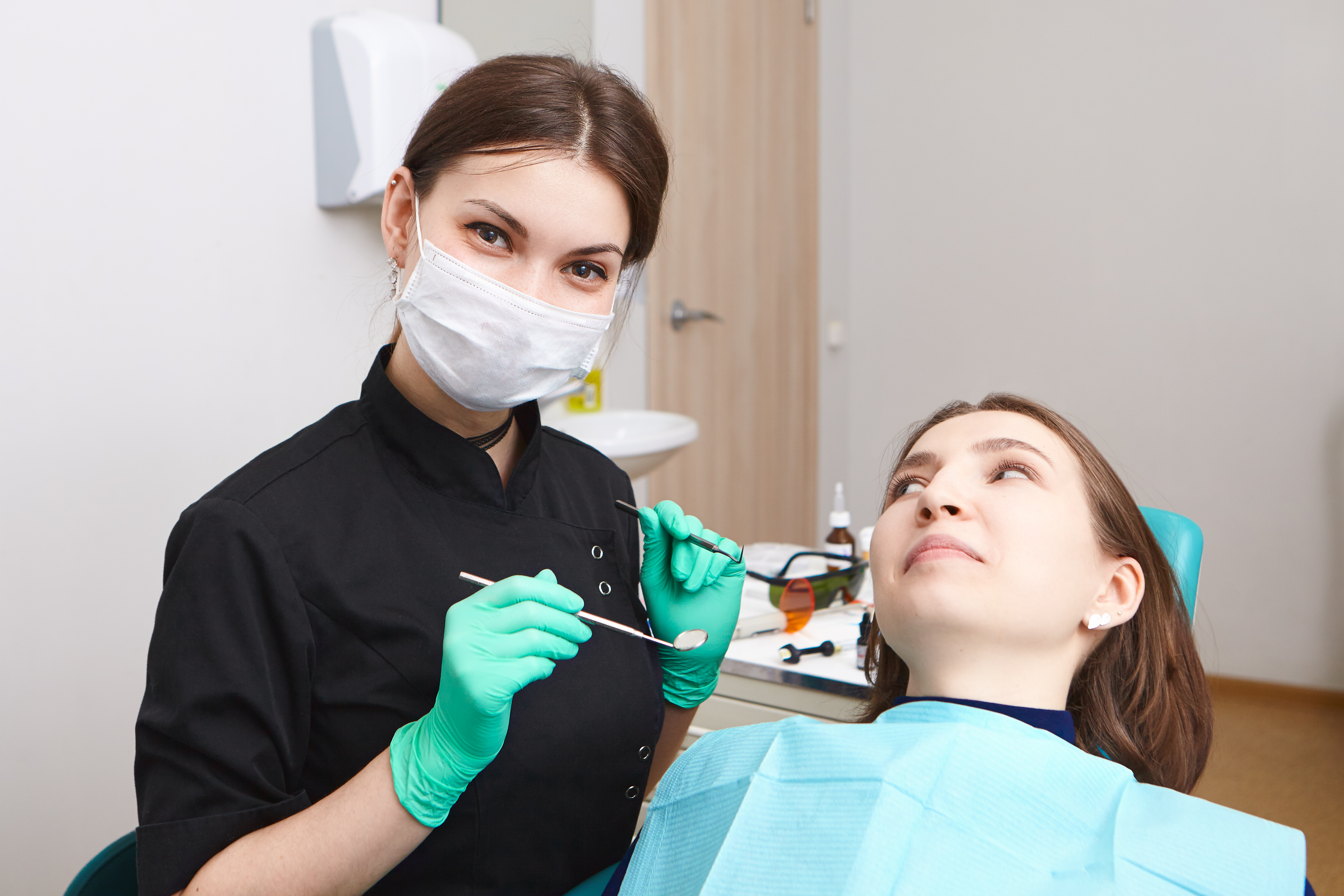
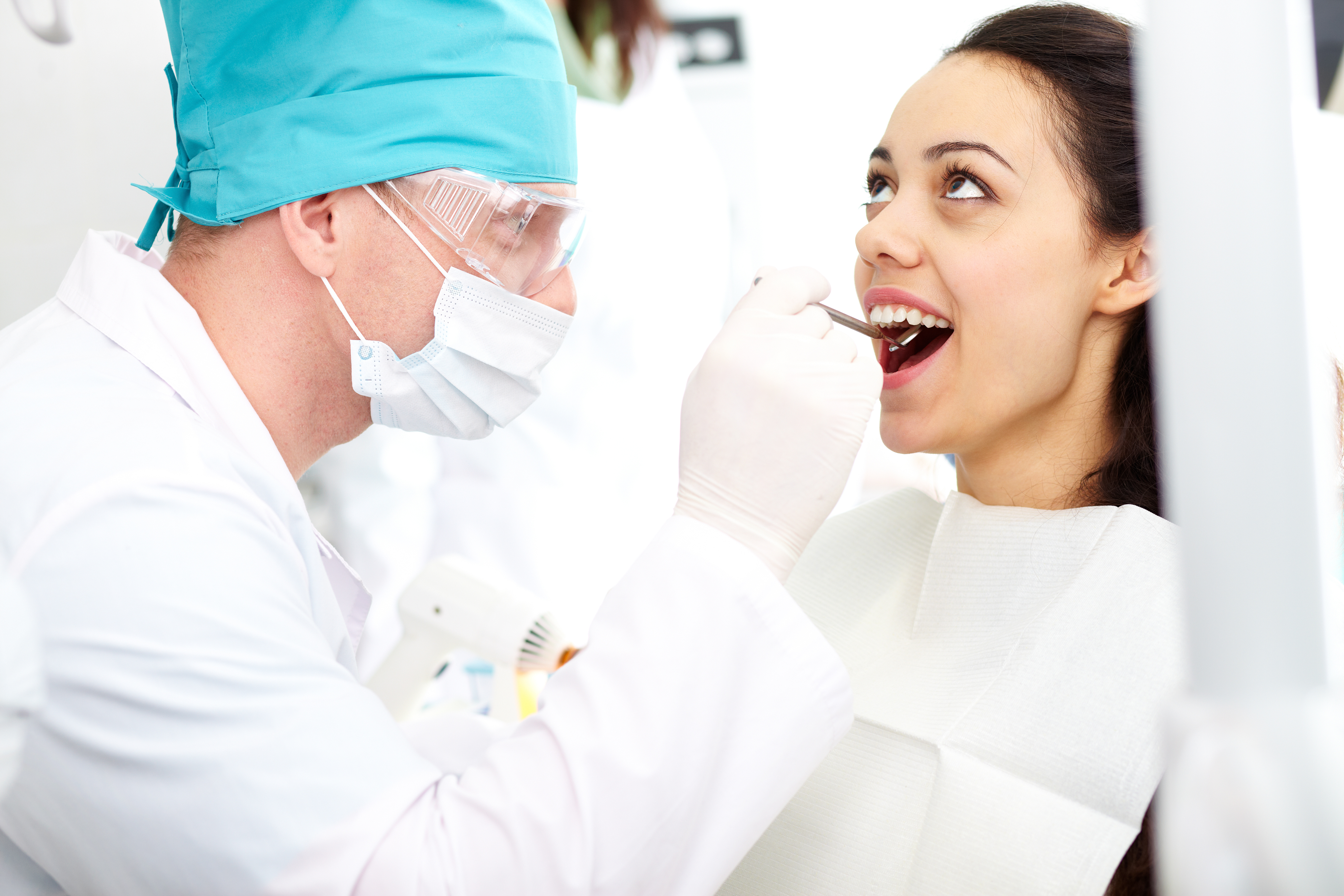
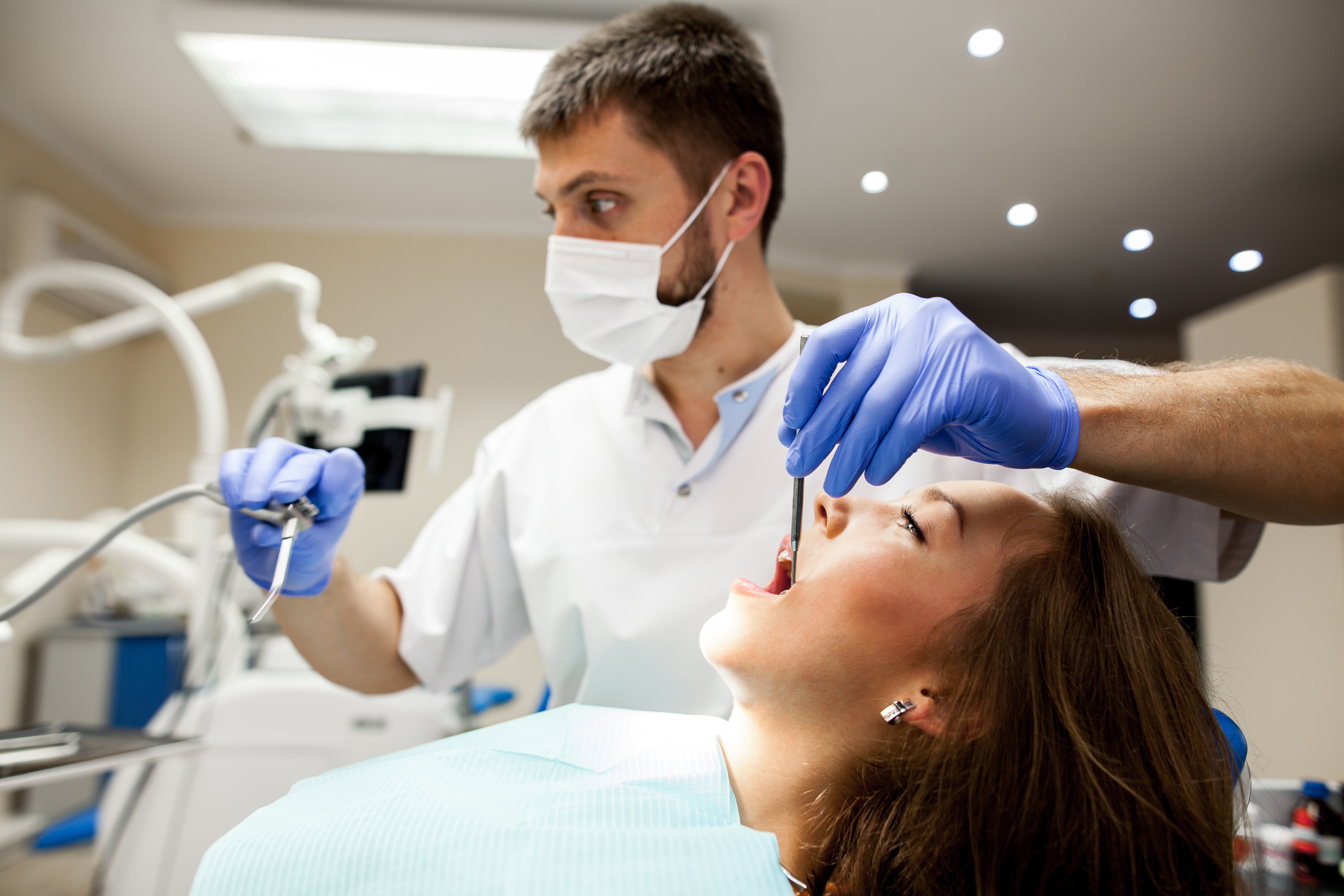
Routine general dentistry appointments give your dentist an opportunity to examine your teeth and gums, identify developing concerns, and recommend appropriate treatment. Preventive care may also help reduce the likelihood of needing extensive dental procedures in the future.
Regular dental care supports:
- Healthier teeth and gums
- Early detection of cavities
- Better management of plaque buildup
- Prevention of gum disease
- Maintenance of a comfortable bite
- Long-term oral health
Build a Consistent Brushing Routine
Brushing is one of the most important habits for protecting your teeth. Brush at least twice a day using a soft-bristled toothbrush and fluoride toothpaste.
Use gentle, circular movements to clean the front, back, and chewing surfaces of your teeth. Do not forget the gumline, where plaque can accumulate easily.
Brushing too aggressively does not make teeth cleaner. Excessive pressure can irritate your gums and contribute to enamel or gumline wear. Replace your toothbrush or toothbrush head regularly, especially when the bristles become worn or frayed.
Do Not Skip Cleaning Between Your Teeth
Even thorough brushing cannot reach every area between your teeth. Flossing or using another dentist-recommended interdental cleaning method helps remove plaque and food particles from these spaces.
Cleaning between your teeth once a day can help reduce the buildup that contributes to cavities and gum problems.
If traditional floss is difficult to use, alternatives such as interdental brushes or water flossers may make daily cleaning easier. Your dental team can help you choose an option that works with your individual needs.
Pay Attention to Your Gums
Healthy gums should not routinely bleed during brushing or flossing. Persistent bleeding, swelling, redness, tenderness, or changes around the gumline can indicate a developing problem.
Gum disease can progress gradually, and early stages may not cause significant discomfort. Regular dental examinations can help identify inflammation before it becomes more advanced.
Keeping plaque under control through daily brushing, interdental cleaning, and professional cleanings is an important part of maintaining healthy gums.
Be Mindful of What You Eat and Drink
Your diet can influence your dental health. Frequently consuming sugary foods and drinks gives oral bacteria more opportunities to produce acids that can contribute to tooth decay.
You do not necessarily have to eliminate every sweet food from your diet. Instead, consider limiting frequent snacking on sugary items and choosing nutritious foods more often.
Water is an excellent everyday beverage because it helps rinse away food particles and supports normal saliva production. Crunchy fruits and vegetables can also be incorporated into a balanced diet while providing important nutrients.
Protect Your Teeth From Everyday Damage
Teeth are strong, but they are not designed to function as tools. Avoid using your teeth to open packages, cut objects, or crack hard materials.
Be cautious with habits such as chewing ice or frequently biting extremely hard foods. These behaviors can contribute to chips, cracks, or damage to existing dental restorations.
If you participate in contact sports, wearing an appropriately fitted mouthguard can provide additional protection against dental injuries.
Do Not Ignore Dental Pain
A toothache should not be considered a normal part of everyday life. Pain may result from tooth decay, infection, a cracked tooth, gum problems, or other dental conditions.
Likewise, prolonged sensitivity to hot or cold, pain when biting, swelling, or a damaged restoration deserves professional evaluation.
At Campbell Dental Emergency Dentist, we understand that dental problems do not always occur at convenient times. Prompt assessment can help identify the source of your symptoms and determine the appropriate treatment.
Professional Cleanings Are Still Important
Even patients with excellent home-care routines can develop plaque or tartar in difficult-to-reach areas. Professional dental cleanings help remove deposits that brushing and flossing cannot eliminate completely.
Your dentist can also examine your teeth, gums, existing restorations, and overall oral condition during routine visits. The recommended frequency of appointments depends on your individual dental health and risk factors.
Take Care of Existing Dental Work
Fillings, crowns, bridges, and other restorations require regular care just like your natural teeth. Although some restorative materials are resistant to decay, the surrounding tooth and gum tissues can still develop problems.
Continue brushing and cleaning around dental restorations carefully. If a filling becomes loose, a crown feels unusual, or you notice sensitivity around a restored tooth, contact your dentist for an evaluation.
Make Your Oral Health a Long-Term Priority
Maintaining a healthy smile does not require complicated routines. Consistency is what matters most. Brushing, cleaning between your teeth, eating thoughtfully, protecting your teeth, and attending regular dental appointments can all contribute to better oral health.
At Campbell Dental Emergency Dentist, we provide general dental care for patients in Campbell, CA, with an emphasis on maintaining healthy teeth, identifying concerns early, and addressing dental problems when they arise.
If you have a dental concern or would like to schedule an appointment, call (415) 928-9909.
Key Takeaways
- Brush twice daily with fluoride toothpaste.
- Clean between your teeth every day.
- Pay attention to bleeding, swelling, or gum tenderness.
- Limit frequent exposure to sugary foods and drinks.
- Avoid using your teeth as tools.
- Wear a mouthguard when appropriate.
- Do not ignore persistent dental pain or sensitivity.
- Schedule regular dental examinations and professional cleanings.
Frequently Asked Questions
1. What does general dentistry include?
General dentistry covers preventive and routine dental services designed to maintain oral health. It can include examinations, professional cleanings, fillings, preventive treatments, and evaluation of dental concerns.
2. How often should I visit the dentist?
The appropriate appointment schedule depends on your individual oral health, medical history, risk factors, and previous dental concerns. Your dentist can recommend a schedule that fits your needs.
3. Why do my gums bleed when I floss?
Bleeding may occur because of plaque buildup, gum inflammation, or improper flossing technique. If bleeding continues regularly, it is best to have your gums evaluated by a dental professional.
4. Is tooth sensitivity something I should worry about?
Occasional sensitivity can have several causes, but persistent or worsening sensitivity should be evaluated. It may be associated with enamel wear, gum recession, tooth decay, cracks, or other dental conditions.
5. Can cavities develop without causing pain?
Yes. Early tooth decay may not cause noticeable symptoms. This is one reason routine dental examinations are important for identifying problems before they become painful.
6. What should I do if I suddenly develop severe tooth pain?
Severe or sudden dental pain should be evaluated promptly. If pain is accompanied by facial swelling, fever, difficulty swallowing, or difficulty breathing, seek urgent medical attention.