A healthy smile is built through small habits repeated every day. Brushing and flossing are essential, but good general dentistry care involves much more than simply cleaning your teeth twice a day. Regular dental visits, balanced eating habits, proper brushing techniques, and early attention to changes in your mouth can all help protect your teeth and gums.
For busy families and individuals, the goal is not to create a complicated routine. It is to develop practical habits that make maintaining your oral health easier over time.
Why Everyday Dental Care Matters
Your mouth is constantly exposed to food particles, bacteria, acids, and other factors that can affect your teeth and gums. Without consistent care, plaque can build up along the teeth and gumline, increasing the risk of cavities, gum irritation, and other dental concerns.
General dentistry focuses on prevention as well as treatment. Routine examinations allow a dentist to monitor your oral health and identify potential problems before they become more complicated.
For patients looking for general dental care in Campbell, CA, maintaining a dependable home routine alongside professional dental visits can make a meaningful difference.
What Should Your Daily Dental Routine Include?
A good dental routine does not need to take a lot of time. The important part is being consistent and using proper techniques.
Brush Twice a Day
Brush your teeth twice a day using a soft-bristled toothbrush and fluoride toothpaste. Spend about two minutes cleaning all surfaces of your teeth, including the front, back, and chewing surfaces.
Avoid brushing too aggressively. Excessive pressure can irritate your gums and contribute to enamel wear over time.
Clean Between Your Teeth
Brushing cannot effectively clean every space between your teeth. Floss or use another dentist-recommended interdental cleaning method once a day to remove plaque and food particles from these areas.
Cleaning between your teeth is particularly important because buildup in these spaces can contribute to gum inflammation and cavities.
Keep Your Tongue Clean
Bacteria can accumulate on the surface of your tongue. Gently cleaning your tongue as part of your oral hygiene routine can help keep your mouth feeling cleaner and fresher.
How Your Diet Can Affect Your Teeth
Your eating and drinking habits can influence your oral health. Frequently consuming sugary foods and beverages gives oral bacteria more opportunities to produce acids that can contribute to tooth decay.
You do not necessarily have to eliminate every favorite food. Instead, consider limiting how frequently sugary snacks and drinks are consumed throughout the day.
Water is an excellent everyday choice because it helps wash away food particles and keeps your mouth hydrated. Choosing nutritious foods and maintaining regular meals can also support overall oral health.
Why Regular Dental Checkups Are Important
Even an excellent home-care routine cannot replace professional dental examinations and cleanings.
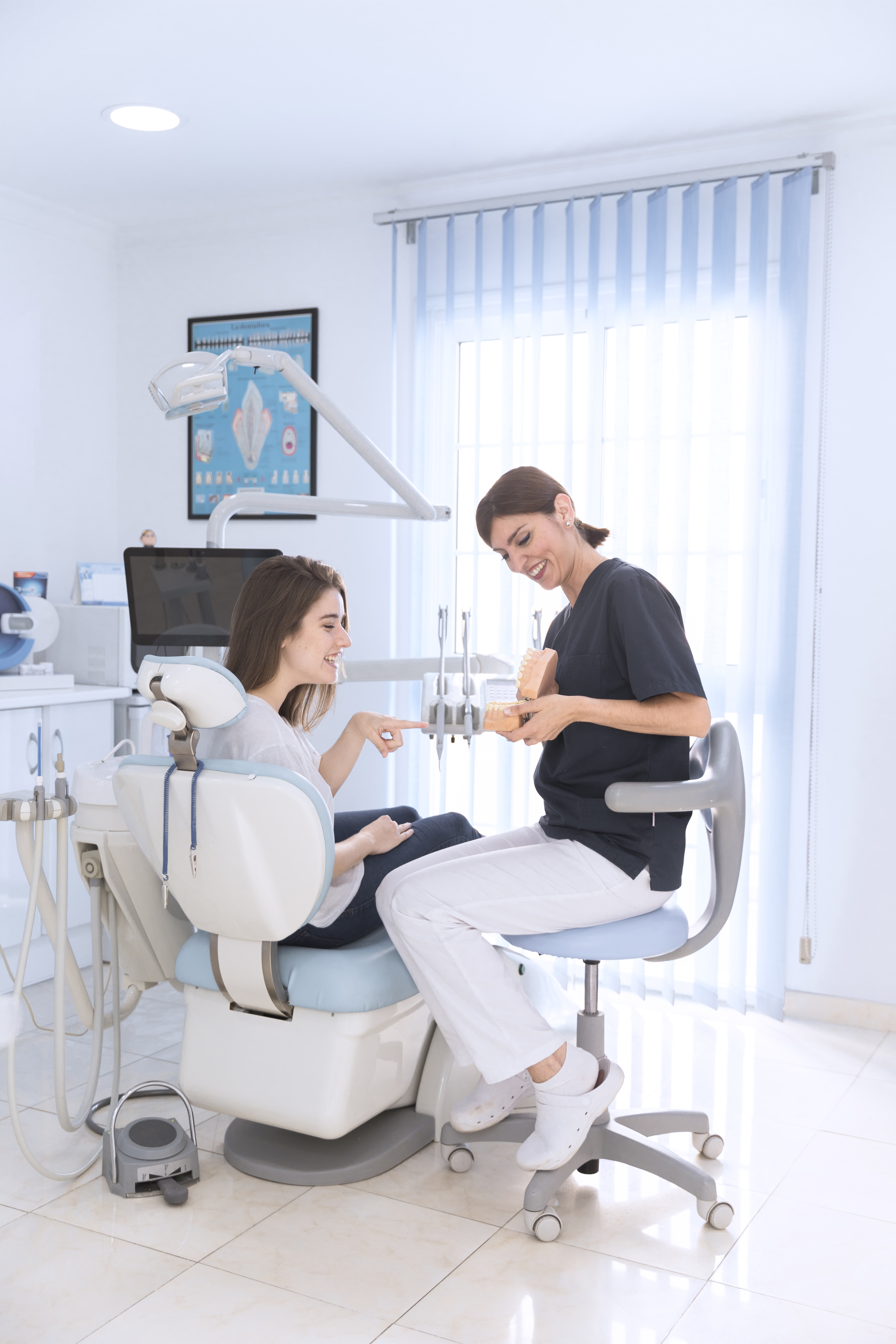
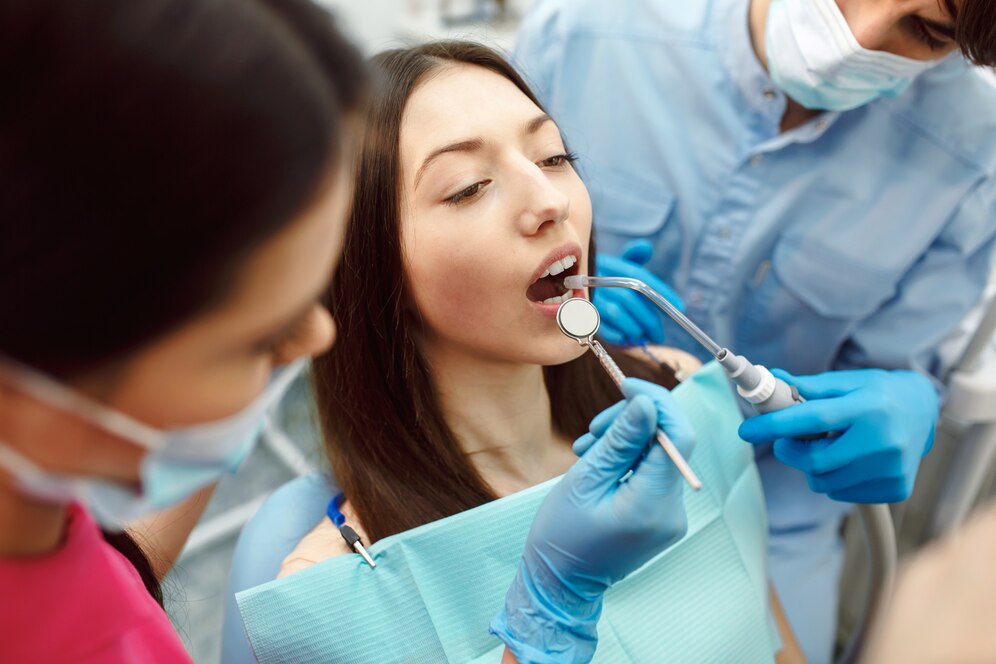
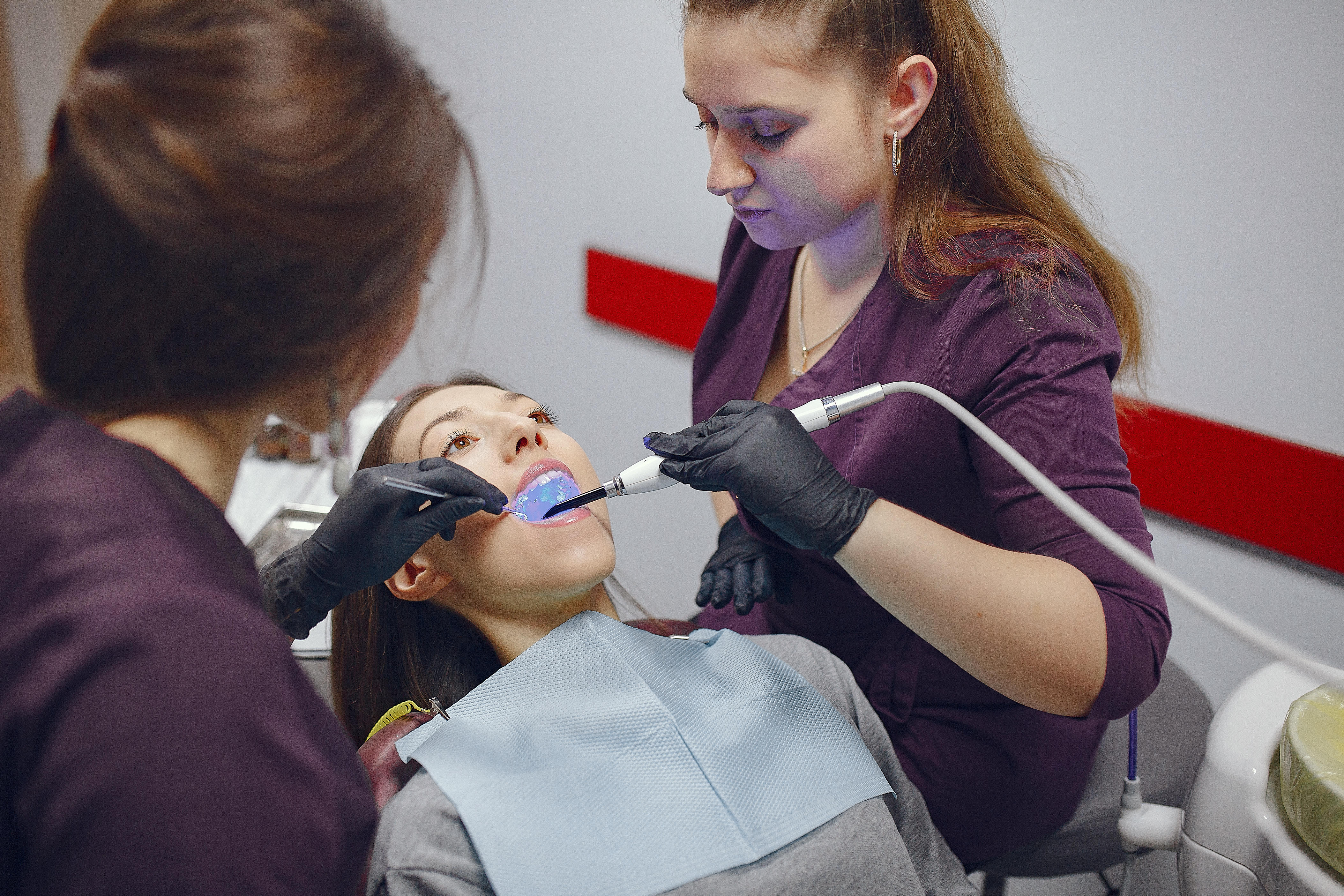
During a routine appointment, your dental team can examine your teeth, gums, and other areas of your mouth for signs of potential problems. Professional cleaning can also remove hardened deposits that regular brushing and flossing cannot eliminate.
Regular visits provide an opportunity to discuss concerns such as:
- Tooth sensitivity
- Bleeding or swollen gums
- Persistent bad breath
- Tooth discomfort
- Changes in your bite
- Broken or damaged teeth
- New spots or changes inside the mouth
Reporting these changes early can help your dentist determine whether further evaluation or treatment is needed.
Small Habits That Can Protect Your Teeth
Some everyday habits can help reduce unnecessary stress on your teeth.
Avoid Using Teeth as Tools
Opening packages, cutting tape, or biting hard objects with your teeth can lead to chips or cracks. Your teeth are designed for chewing food, not replacing scissors or other tools.
Be Careful With Hard Foods
Ice, hard candy, and other extremely hard foods can place significant pressure on teeth. If you have restorations such as crowns or fillings, being cautious with particularly hard foods can also help protect them.
Protect Your Smile During Sports
If you participate in contact or high-impact sports, ask your dental professional whether a properly fitted mouthguard would be appropriate. A mouthguard can provide an additional layer of protection against dental injuries.
Signs You Should Not Ignore
Some dental problems may begin with subtle symptoms. Do not assume that discomfort will always disappear on its own.
Pay attention to signs such as persistent tooth pain, sensitivity that continues, swollen gums, bleeding during brushing, loose teeth, or a noticeable change in your bite.
A dental evaluation can help determine what is causing the problem and whether treatment is necessary.
For urgent dental concerns, Campbell Dental Emergency Dentist can be contacted at 415-928-9909 to discuss your situation and determine the appropriate next step.
How to Make Dental Care Easier
The easiest routine to maintain is one that fits naturally into your day. Keep your toothbrush and dental supplies somewhere convenient, establish consistent brushing times, and make dental appointments part of your regular calendar.
Parents can also help children develop good habits by making brushing a predictable part of the morning and bedtime routine.
Remember that dental care is not about achieving perfection every single day. It is about building consistent habits that support your teeth and gums over the long term.
Frequently Asked Questions
How often should I brush my teeth?
Most people should brush twice a day with fluoride toothpaste. Each brushing session should last about two minutes and cover all accessible tooth surfaces.
Is flossing really necessary if I brush every day?
Yes. Brushing does not effectively clean every area between the teeth. Daily flossing or another dentist-recommended interdental cleaning method helps remove plaque and debris from these areas.
How often should I visit the dentist?
The appropriate schedule depends on your individual oral health, dental history, and risk factors. Your dentist can recommend an examination and cleaning schedule based on your specific needs.
What should I do if my gums bleed when I brush?
Bleeding gums can have several causes, including plaque buildup and gum inflammation. If bleeding happens regularly, schedule a dental evaluation rather than ignoring the symptom.
When should I seek urgent dental care?
Severe tooth pain, significant swelling, a dental injury, a broken tooth, or other sudden dental problems may require prompt professional attention. Contact a dental office to determine how quickly you should be evaluated.
Can regular dental visits prevent every dental problem?
No dental routine can guarantee that every problem will be prevented. However, consistent home care and regular professional examinations can help identify and address many common dental concerns earlier.