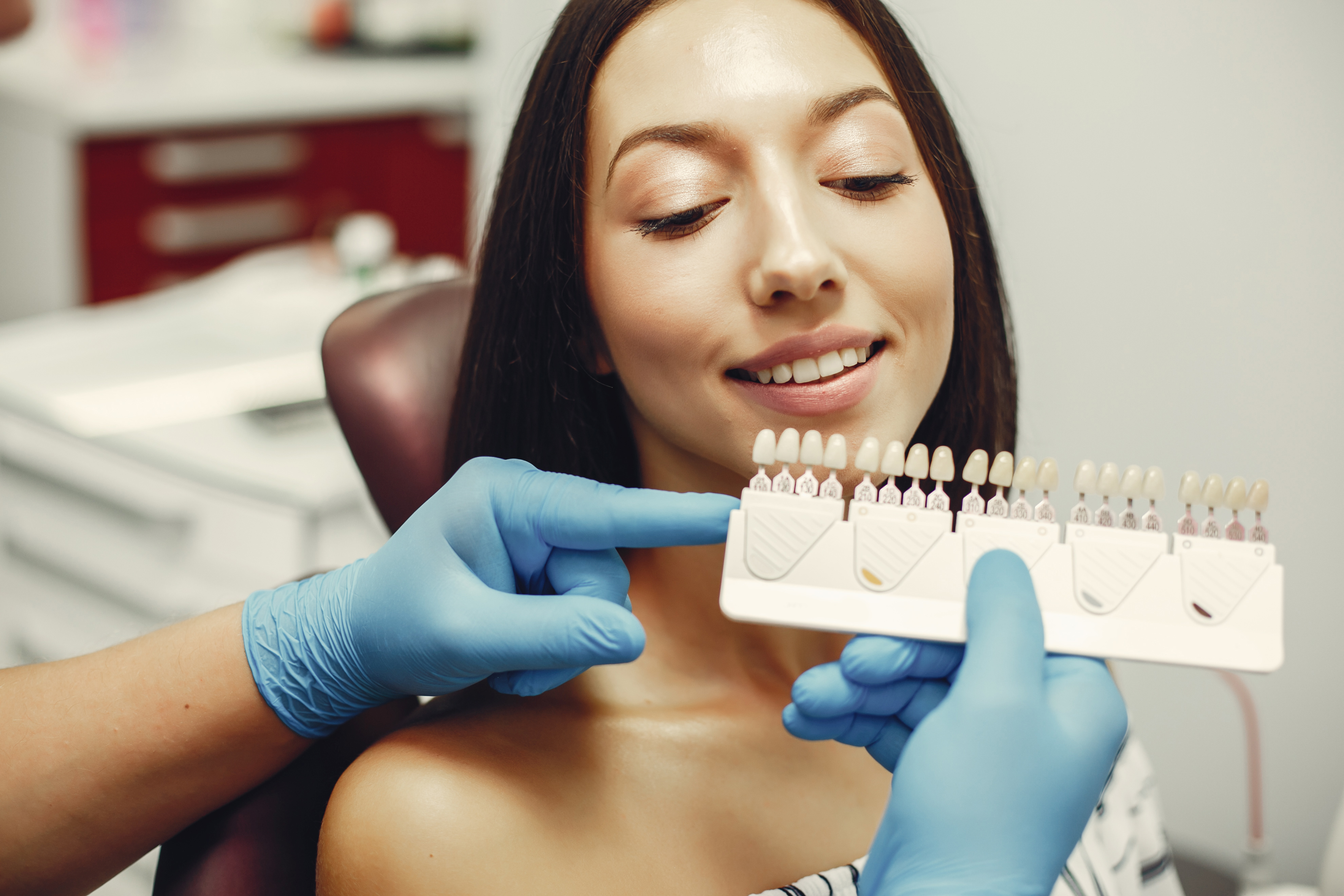

A confident smile can make everyday interactions feel more comfortable, whether you are meeting someone new, speaking during a presentation, or posing for a family photograph. However, chipped teeth, uneven edges, stubborn discoloration, and small gaps can sometimes make people hesitant to show their smiles. The good news is that modern cosmetic dentistry offers several ways to improve the appearance of teeth while considering your individual dental needs.
Cosmetic dentistry focuses on enhancing the color, shape, alignment, and overall appearance of your smile. Depending on your goals, treatment may involve professional teeth whitening, dental bonding, veneers, or other procedures designed to address specific concerns. Understanding these options can help you decide which approach may be appropriate for your situation.
At Campbell Dental Emergency Dentist, patients can inquire about dental services and discuss concerns affecting their smiles. Knowing what cosmetic treatments involve is a useful first step toward making informed decisions about your oral health and appearance.
What Can Cosmetic Dentistry Improve?
Not every smile concern requires the same treatment. Some people want to brighten yellowed teeth, while others hope to improve chipped edges or create a more uniform appearance. A dental examination helps determine which options are suitable for your teeth and gums.
Removing Stains and Discoloration
Teeth can become discolored for several reasons, including coffee, tea, tobacco use, aging, and certain medications. Everyday brushing may not remove deeper stains, making professional whitening an option for some patients.
Professional teeth whitening uses bleaching agents to lighten natural tooth color. Results vary depending on the original shade, the cause of discoloration, and the treatment method.
Before whitening, a dentist should assess your oral health and identify issues such as untreated cavities or gum inflammation. Whitening may temporarily increase tooth sensitivity, so following professional instructions is important.
Repairing Chips, Gaps, and Uneven Edges
Small imperfections can affect how your smile looks, even when your teeth are otherwise healthy. Dental bonding uses tooth-colored composite resin to repair minor chips, improve certain tooth shapes, and address some small gaps.
The material is carefully applied and shaped to blend with surrounding teeth. Bonding may require less alteration of natural tooth structure than some other cosmetic procedures, although its suitability depends on the location and extent of the concern.
Your dentist can explain how bonding compares with alternative treatments and what maintenance may be necessary over time.
Choosing a Cosmetic Treatment That Fits Your Smile
Cosmetic dentistry is not a one-size-fits-all process. The right treatment depends on your dental health, desired results, budget, and willingness to maintain the restoration.
Dental Veneers for Changes in Shape and Color
Veneers are thin coverings placed over the front surfaces of teeth to improve their appearance. They may help address selected concerns involving discoloration, shape irregularities, and minor spacing differences.
Depending on the material and treatment plan, veneers may require removing some natural enamel. This can make the procedure irreversible, so it is important to understand the long-term commitment before proceeding.
A dentist will evaluate your bite, enamel, gum health, and expectations before recommending veneers. Good oral hygiene and regular dental examinations remain essential after placement.
Considering the Condition of Your Teeth First
Healthy teeth and gums provide a better foundation for cosmetic treatment. If you have cavities, gum disease, damaged restorations, or other untreated problems, these may need attention before an elective procedure.
Addressing underlying dental concerns helps protect your oral health and allows your dentist to plan treatment more appropriately.
It is also worth remembering that cosmetic procedures do not automatically improve every dental problem. For example, whitening changes tooth color but does not repair a crack, while bonding may improve a small chip without correcting a significant bite problem.
How to Prepare for a Cosmetic Dental Appointment
A little preparation can help you get more value from your consultation and understand the options available.
Explain What You Want to Change
Think about the specific features you would like to improve. You might be concerned about one discolored tooth, several small chips, uneven edges, or the overall brightness of your smile.
Sharing your priorities helps your dentist discuss realistic outcomes and identify suitable treatments. Ask about expected results, potential sensitivity, treatment duration, and whether any natural tooth structure must be removed.
You should also discuss existing dental restorations, since crowns and fillings generally do not respond to whitening agents in the same way as natural teeth.
Understand Maintenance and Long-Term Care
Cosmetic treatments require different levels of maintenance. Whitening results may gradually fade, bonding can stain or chip, and veneers may eventually need repair or replacement.
Brush twice daily with fluoride toothpaste, clean between your teeth every day, and attend dental appointments as recommended. Avoid using your teeth to open packaging or bite hard objects, and consider a professionally recommended mouthguard if you grind your teeth.
Following these habits can help preserve your natural teeth and maintain your restorations.
Can Cosmetic Dentistry Look Natural?
Many patients want improvements that complement their facial features rather than create an obviously artificial appearance. Natural-looking results depend on choosing appropriate tooth shades, shapes, proportions, and materials.
Your dentist can discuss how the proposed treatment may look alongside your existing teeth. However, the final appearance depends on individual circumstances, the procedure selected, and the limitations of the materials involved.
It is also important to have realistic expectations. Cosmetic dentistry can improve selected features, but no procedure guarantees perfection or identical results for every patient.
Take the Next Step Toward a Smile You Feel Comfortable Sharing
You do not need to pursue a dramatic transformation to benefit from cosmetic dentistry. Sometimes, addressing a small chip or improving discoloration can make a meaningful difference to how you feel about your smile.
The best starting point is a professional assessment that considers both appearance and oral health. Understanding the available options, their limitations, and their maintenance requirements allows you to choose a treatment that fits your needs.
To learn more about available dental services, contact Campbell Dental Emergency Dentist at 4159289909 and ask about arranging an appointment in Campbell, CA. A conversation with a dental professional can help you explore appropriate options for improving your smile while protecting your long-term oral health.
Frequently Asked Questions
1. What procedures are included in cosmetic dentistry?
Common cosmetic procedures include professional teeth whitening, dental bonding, veneers, and selected treatments that improve the appearance of teeth. Recommendations depend on your dental condition and goals.
2. Is professional teeth whitening safe?
Professional whitening is generally considered safe when appropriately supervised. Temporary sensitivity or gum irritation can occur, so a dental assessment helps determine whether whitening is suitable for you.
3. How long does dental bonding last?
Bonding can last several years, but its lifespan varies depending on the tooth’s location, biting forces, oral hygiene, and personal habits. Repairs or replacement may eventually be necessary.
4. Are veneers suitable for everyone?
No. Veneers may not be appropriate for people with certain untreated dental problems, insufficient enamel, or significant teeth-grinding habits. A dental examination helps establish suitability.
5. Can cosmetic dentistry fix crooked teeth?
Some minor alignment concerns may be addressed with selected cosmetic treatments, depending on the circumstances. Significant misalignment or bite problems may require orthodontic evaluation rather than cosmetic treatment alone.
6. How can I maintain my cosmetic dental results?
Brush twice daily, floss every day, limit frequent exposure to staining foods and drinks, avoid biting hard objects, and follow your dentist’s recommendations for checkups and restoration maintenance.