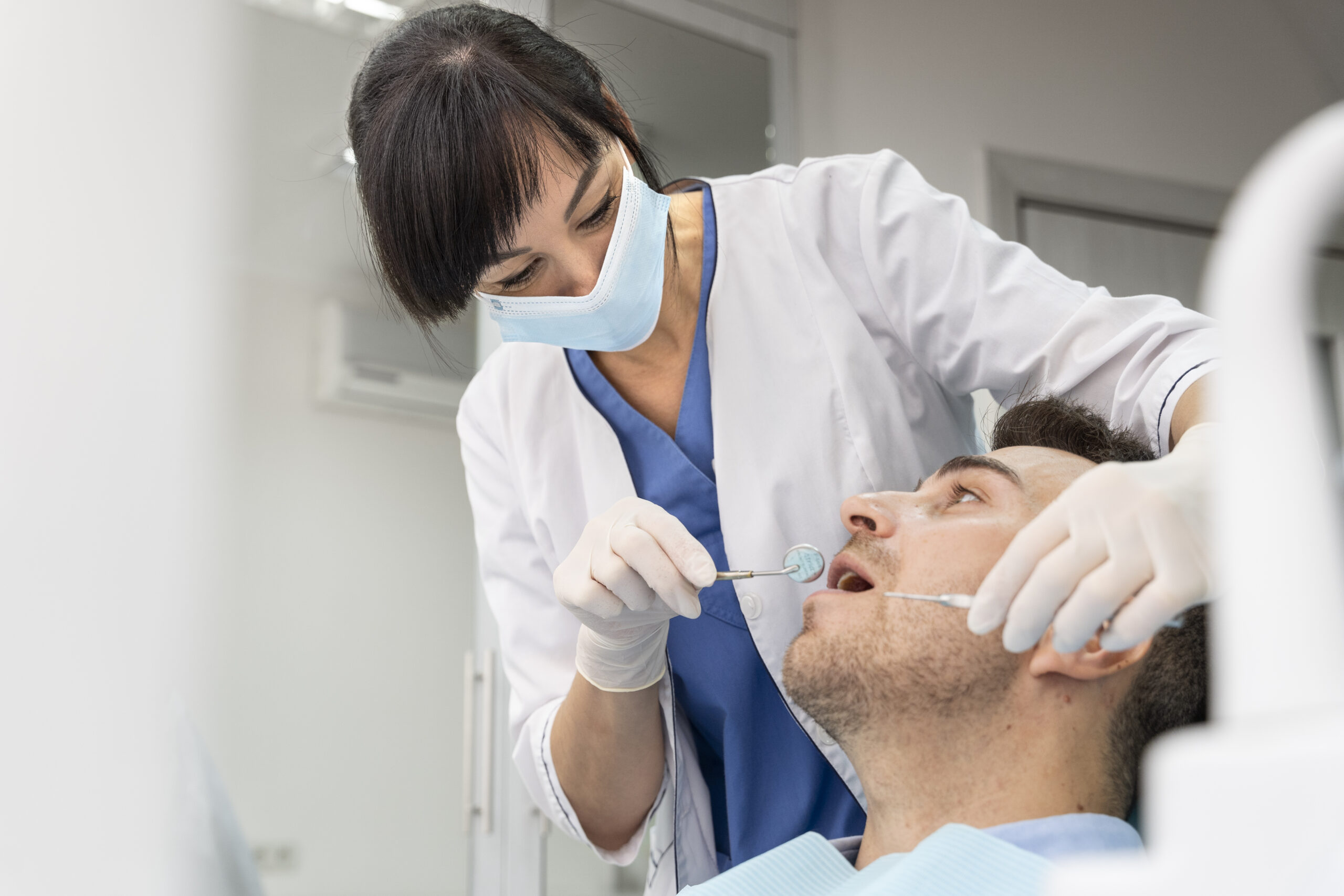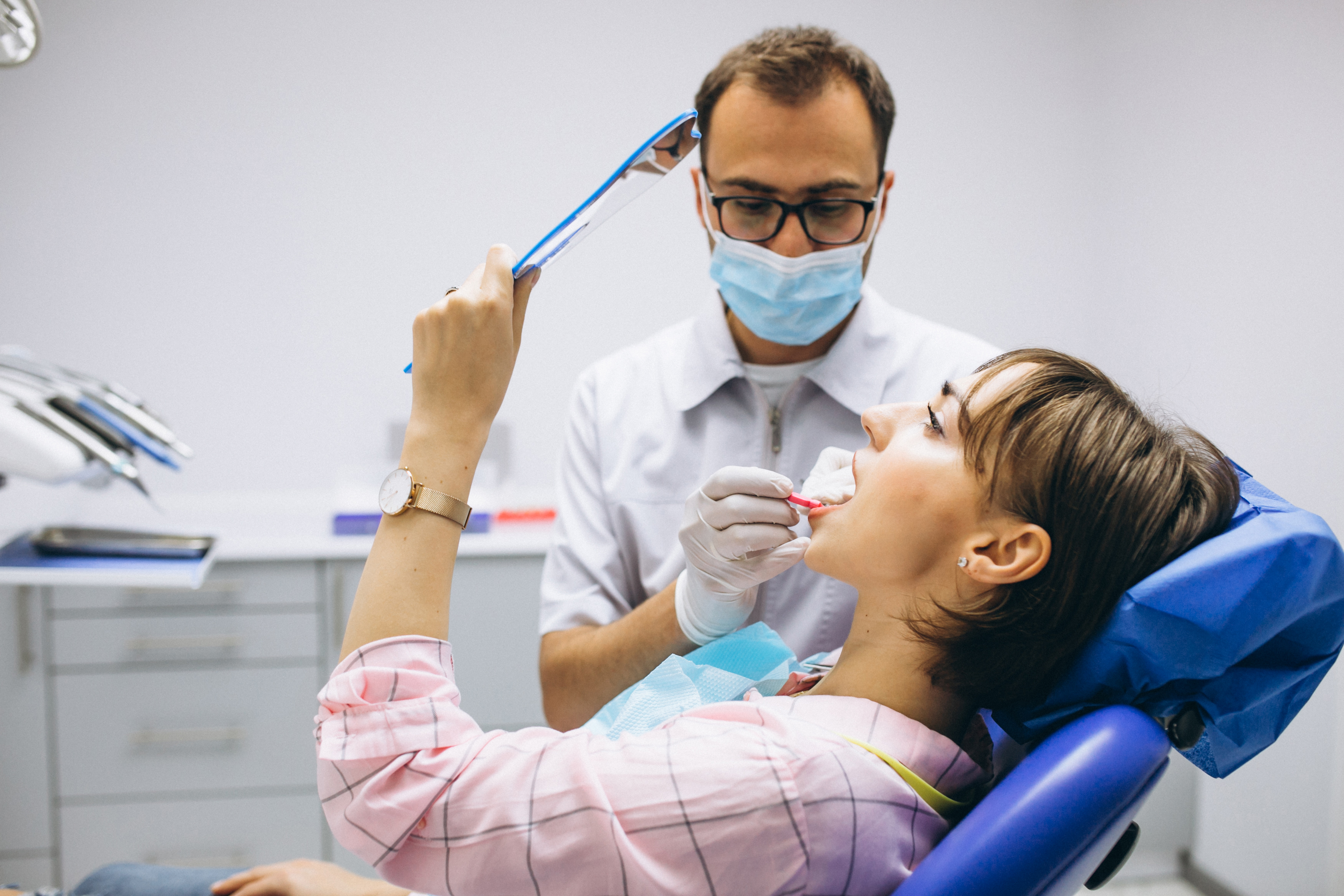

A persistent toothache can make even the simplest daily tasks feel overwhelming. Whether you’re heading to work, taking care of your family, or managing a packed schedule, dental pain has a way of demanding your attention. Unfortunately, many people postpone treatment because they assume it will require multiple lengthy appointments or a difficult recovery.
The good news is that modern endodontic care has transformed the way infected or damaged teeth are treated. Root canal therapy is now more comfortable, efficient, and predictable than ever before, allowing patients to relieve pain while preserving their natural teeth.
At Campbell Dental Emergency Dentist in Campbell, CA, we believe that receiving quality dental care shouldn’t mean putting your life on hold. This guide explains how endodontic treatment helps save your smile while fitting comfortably into today’s busy lifestyles.
Understanding Endodontics: More Than Just Root Canal Treatment
Endodontics is a specialized area of dentistry focused on treating the inside of the tooth, known as the dental pulp. This soft tissue contains nerves, blood vessels, and connective tissue that help teeth develop during their early stages.
When the pulp becomes infected or inflamed due to deep decay, cracks, repeated dental procedures, or injury, endodontic treatment can remove the infection while preserving the natural tooth.
Rather than extracting the tooth, endodontic care allows it to continue functioning normally for many years.
Why Saving Your Natural Tooth Matters
Your natural teeth are designed to work together efficiently. Every tooth plays an important role in chewing, speaking, and maintaining proper alignment.
Preserving a natural tooth offers several advantages:
- Maintains normal biting strength
- Prevents neighboring teeth from shifting
- Supports healthy jaw function
- Preserves your natural smile
- Avoids more extensive replacement procedures
Whenever possible, saving a natural tooth is often the healthiest long-term solution.
Common Signs That You May Need Endodontic Care
Dental pulp infections don’t always cause severe pain immediately. Sometimes the symptoms develop gradually.
Common warning signs include:
- Persistent tooth pain
- Sensitivity to hot or cold temperatures
- Pain while chewing
- Swollen or tender gums
- A darkened or discolored tooth
- A recurring pimple-like bump on the gums
Seeking treatment early often prevents the condition from becoming more complicated.
Modern Root Canal Treatment Is Different Than You Think
For many years, root canals carried an unfair reputation for being painful. In reality, the infection inside the tooth is usually the source of discomfort—not the treatment itself.
Today’s techniques focus on patient comfort through:
- Effective local anesthesia
- Advanced digital imaging
- Precise cleaning instruments
- Improved infection control
- Gentle treatment methods
Many patients compare the experience to receiving a routine dental filling.
How Endodontic Care Fits Into Everyday Life
One reason people delay treatment is concern about disrupting work, school, or family responsibilities.
Modern endodontic care is designed to minimize interruptions.
Many patients appreciate that:
- Appointments are carefully planned
- Treatment is often completed efficiently
- Recovery is usually straightforward
- Daily activities can often resume quickly
- Most discomfort improves within a few days
Instead of creating inconvenience, treatment often removes the pain that has already been interfering with everyday life.
The Importance of Treating Dental Infections Early
Ignoring a tooth infection rarely solves the problem.
Without treatment, bacteria may continue spreading deeper into the tooth and surrounding tissues.
Delaying care can increase the risk of:
- Severe pain
- Dental abscesses
- Swelling
- Bone loss
- Tooth extraction
- More complex procedures
Early treatment protects both your oral health and your overall well-being.
What Happens During Root Canal Treatment?
Understanding the procedure can help reduce anxiety.
During treatment, your dentist will:
- Examine the affected tooth
- Take digital X-rays when needed
- Numb the area completely
- Remove infected pulp tissue
- Clean and disinfect the root canals
- Seal the inside of the tooth
- Recommend a permanent restoration if necessary
The goal is to eliminate infection while preserving the strength and function of your natural tooth.
Recovering After Endodontic Treatment
Recovery is typically much easier than many patients expect.
Most people experience only mild tenderness that gradually improves over the next few days.
To encourage healing:
- Brush and floss normally while being gentle around the treated tooth
- Eat softer foods until chewing feels comfortable
- Follow all post-treatment instructions
- Take recommended medications if prescribed
- Attend follow-up appointments as advised
Proper aftercare helps ensure long-lasting success.
Everyday Habits That Protect Your Teeth
While endodontic treatment is highly successful, prevention remains the best strategy.
Healthy habits include:
- Brushing twice daily with fluoride toothpaste
- Flossing every day
- Limiting sugary foods and beverages
- Wearing a mouthguard during sports
- Avoiding chewing ice or hard objects
- Scheduling regular dental checkups
These simple habits reduce the likelihood of deep decay reaching the inner pulp.
When Dental Emergencies Shouldn’t Wait
Some dental problems require prompt attention.
Contact your dentist if you experience:
- Severe tooth pain that doesn’t improve
- Facial swelling
- A broken tooth with pain
- Gum swelling accompanied by drainage
- Persistent sensitivity that worsens over time
Early intervention often leads to simpler treatment and better outcomes.
Why Patients Choose Campbell Dental Emergency Dentist
At Campbell Dental Emergency Dentist in Campbell, CA, we understand that dental pain rarely happens at a convenient time.
Our approach focuses on:
- Prompt evaluation
- Comfortable treatment
- Preserving natural teeth whenever possible
- Modern technology
- Personalized care
- Respecting your schedule
We strive to make every visit as smooth, efficient, and stress-free as possible while delivering quality endodontic care.
Long-Term Benefits of Endodontic Treatment
Treating an infected tooth offers benefits that extend far beyond immediate pain relief.
Patients often enjoy:
- Preservation of their natural tooth
- Improved chewing ability
- Reduced risk of future complications
- Better oral function
- Greater confidence in their smile
- Long-lasting oral health
With proper care, a treated tooth can continue functioning for many years.
Building a Lifetime of Healthy Smiles
Good oral health is built through prevention, early diagnosis, and timely treatment.
Paying attention to early warning signs and seeking professional care when problems arise can help preserve your natural teeth and reduce the need for more extensive procedures later.
Combining healthy daily habits with regular dental visits creates the strongest foundation for lifelong oral health.
Conclusion
Living with tooth pain doesn’t have to become part of your daily routine. Modern endodontic care provides an effective way to relieve discomfort, eliminate infection, and preserve your natural teeth without significantly disrupting your busy schedule.
At Campbell Dental Emergency Dentist in Campbell, CA, we’re committed to providing compassionate, efficient endodontic care tailored to your individual needs. Whether you’re experiencing ongoing tooth pain or have recently suffered dental trauma, our team is here to help restore your comfort and protect your smile.
Contact Campbell Dental Emergency Dentist
Location: Campbell, CA
Phone: 415-928-9909
If you’re experiencing tooth pain or believe you may need endodontic treatment, don’t wait. Contact Campbell Dental Emergency Dentist today to schedule an appointment and take the first step toward lasting relief and a healthier smile.
Frequently Asked Questions
1. What is the purpose of endodontic treatment?
Endodontic treatment removes infected or damaged pulp from inside a tooth, eliminates bacteria, and preserves the natural tooth whenever possible.
2. Can a root canal save a badly damaged tooth?
In many cases, yes. If enough healthy tooth structure remains, root canal treatment can help preserve the tooth and restore its function.
3. How long does a treated tooth last?
With proper oral hygiene, regular dental visits, and an appropriate restoration, a root canal-treated tooth can last for many years or even a lifetime.
4. Is it normal to have mild discomfort after treatment?
Yes. Some mild tenderness for a few days is common and typically improves as the surrounding tissues heal.
5. How can I reduce my risk of needing endodontic treatment?
Maintaining excellent oral hygiene, addressing cavities early, protecting your teeth from injury, and scheduling routine dental checkups are the best ways to reduce the risk of pulp infections.