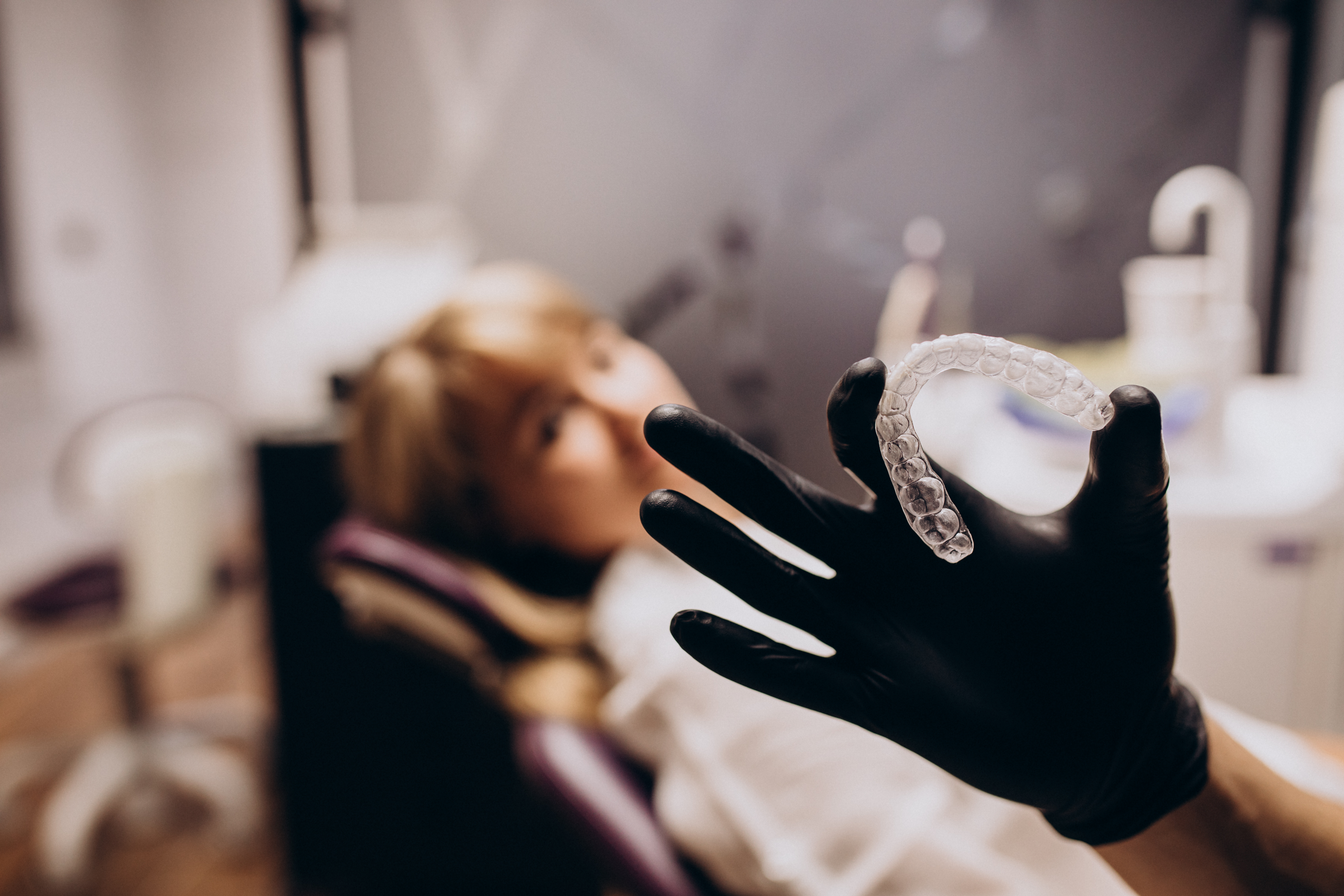
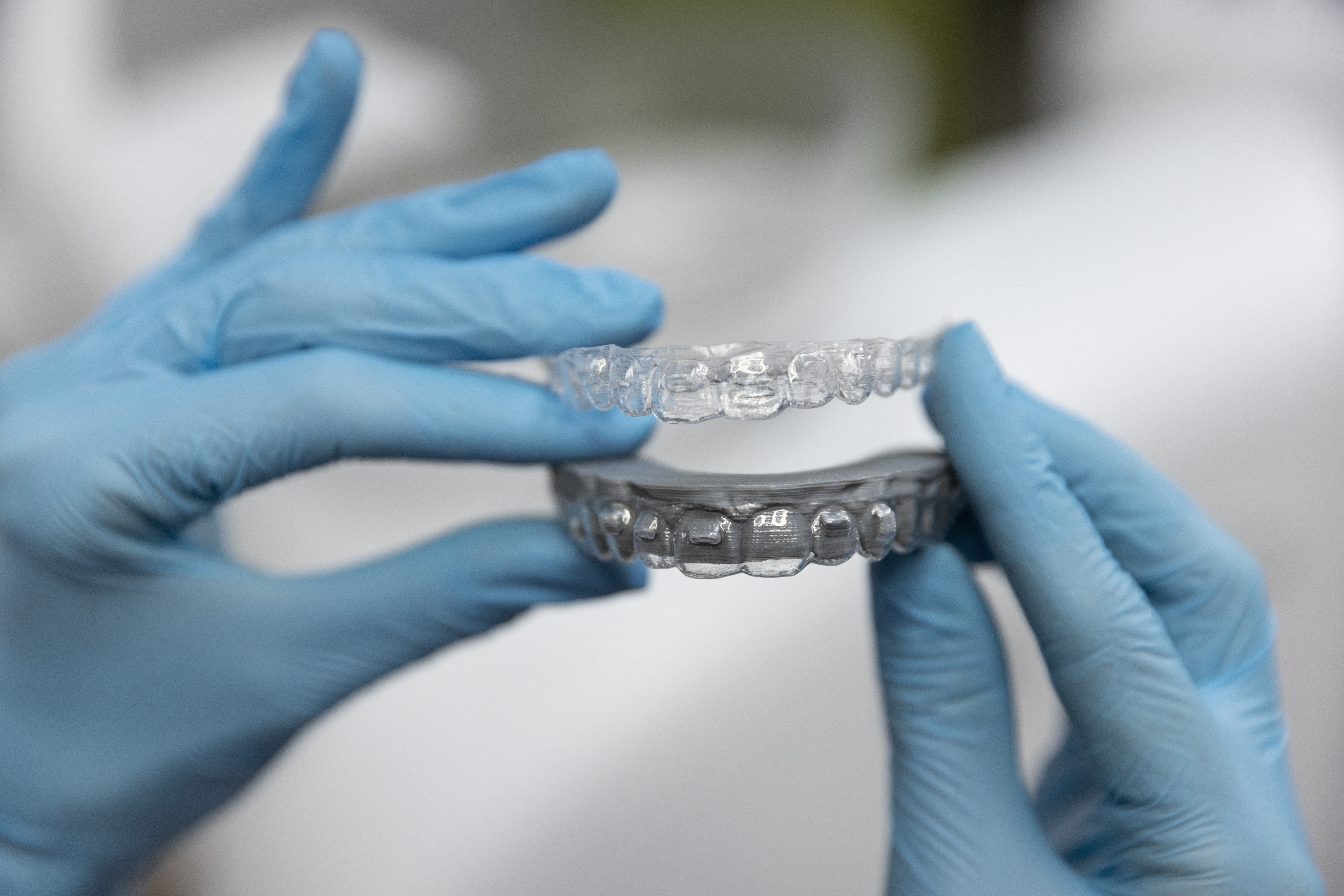
A straighter smile can improve more than appearance. When teeth are crowded, spaced unevenly, or do not fit together properly, they can affect chewing, cleaning, speech, and overall oral function. Invisalign clear aligners offer a discreet way to gradually move teeth into healthier positions while fitting conveniently into your daily routine.
At Campbell Dental Emergency Dentist in Campbell, CA, we understand that every smile has different alignment needs. Invisalign treatment uses a series of customized, removable aligners to guide teeth through carefully planned movements. This approach can help patients achieve a more balanced smile without traditional metal braces.
Understanding Tooth Alignment Problems
Teeth can become misaligned for several reasons, including genetics, jaw development, tooth loss, and changes that occur over time. Common concerns include crowding, gaps, overbite, underbite, and crossbite.
Misalignment is not always simply a cosmetic concern. Crooked or crowded teeth may be more difficult to clean thoroughly, allowing plaque to accumulate in areas that are harder to reach. An uneven bite may also place excessive pressure on particular teeth.
Addressing alignment concerns can therefore support both a more attractive smile and better everyday oral function.
How Invisalign Works
Invisalign treatment uses a series of custom-made clear aligners. Each aligner is designed to apply gentle, controlled pressure to specific teeth. As you progress through the series, your teeth gradually move toward their planned positions.
Before treatment begins, your dentist evaluates your teeth and bite to determine whether clear aligners are appropriate for your needs. Digital technology can help with treatment planning and provide a detailed view of the intended tooth movements.
Unlike fixed braces, Invisalign aligners can be removed when eating, drinking, brushing, and flossing. This makes maintaining your regular oral hygiene routine more convenient.
Benefits of Choosing Clear Aligners
Patients interested in discreet orthodontic treatment often choose Invisalign because of its combination of appearance, flexibility, and convenience.
Discreet Appearance
The clear design makes Invisalign much less noticeable than conventional metal braces, allowing you to work, attend school, socialize, and participate in special occasions with greater confidence.
Removable Design
You can remove your aligners when eating and cleaning your teeth. There are no brackets and wires that require special cleaning techniques.
Customized Treatment
Every Invisalign series is created according to your individual alignment goals. Your treatment is planned around the position of your teeth and the way your bite functions.
Improved Oral Hygiene
Because aligners are removable, you can brush and floss normally. Keeping teeth and gums clean remains an important part of achieving a healthy smile during treatment.
Invisalign for Different Alignment Concerns
Invisalign may be suitable for several types of mild to moderate alignment concerns, although treatment suitability depends on your individual case.
Crowded Teeth
When there is insufficient space for teeth to sit properly, they may overlap or rotate. Invisalign can gradually create a more orderly arrangement.
Gaps Between Teeth
Excessive spaces can occur naturally or develop because of missing teeth or changes in tooth position. Carefully planned aligner treatment can help close certain spaces.
Overbite
An overbite occurs when the upper front teeth extend too far over the lower teeth. Depending on the severity and cause, Invisalign may help improve the relationship between the upper and lower teeth.
Crossbite
A crossbite occurs when certain upper teeth sit inside the lower teeth when the mouth closes. Some mild to moderate cases may be treated with clear aligners.
What to Expect During Invisalign Treatment
Initial Evaluation
Your treatment begins with an examination of your teeth, gums, and bite. Your dentist determines whether Invisalign is an appropriate option and discusses your smile goals.
Customized Treatment Planning
Digital scans and other diagnostic information can be used to develop a personalized treatment plan. Your dentist can identify the movements needed to improve your alignment.
Wearing Your Aligners
For successful treatment, aligners should be worn according to your dentist’s instructions. They are generally removed for meals, drinking anything other than water, and oral hygiene.
Progress Appointments
Regular appointments allow your dental team to monitor tooth movement and make sure treatment is progressing as planned. Your next sets of aligners are provided as you advance through treatment.
Maintaining Your Smile During Treatment
Good oral hygiene is essential while wearing Invisalign. Brush your teeth regularly and clean your aligners as instructed. Floss daily to remove plaque between teeth.
Avoid eating while wearing your aligners, and follow your dentist’s recommendations for cleaning and storing them. Consistency with aligner wear is also important for staying on track with your treatment plan.
After completing Invisalign, your dentist may recommend retainers to help maintain your new tooth positions. Teeth can naturally shift over time, so retention is an important part of protecting your results.
Why Personalized Invisalign Care Matters
Clear aligners are not a one-size-fits-all solution. The success of treatment depends on proper diagnosis, treatment planning, consistent aligner use, and regular monitoring.
At Campbell Dental Emergency Dentist, our approach focuses on understanding your individual dental needs before recommending treatment. Whether your concern involves crowding, spacing, or bite alignment, a professional evaluation can help determine the most appropriate path toward a healthier-looking smile.
Schedule an Invisalign Consultation in Campbell, CA
If you are considering a discreet way to improve your smile, Invisalign may be worth exploring. Clear aligners can provide a convenient alternative to traditional braces for appropriate candidates while allowing you to maintain your normal daily routine.
Campbell Dental Emergency Dentist serves patients in Campbell, CA, with personalized dental care focused on comfort, function, and long-term oral health.
To learn whether Invisalign is right for your smile, call (415) 928-9909 to schedule a consultation.
Key Takeaways
- Invisalign uses customized clear aligners to gradually reposition teeth.
- Treatment can address several common alignment concerns.
- Removable aligners make eating and oral hygiene more convenient.
- Digital planning allows treatment to be customized to individual needs.
- Consistent aligner wear and regular dental visits support successful treatment.
- Retainers may be recommended after treatment to maintain results.
FAQs
1. What is Invisalign?
Invisalign is a clear aligner system that uses a series of customized removable trays to gradually move teeth into planned positions.
2. Can Invisalign fix crowded teeth?
Invisalign can correct certain cases of dental crowding by gradually moving teeth into more appropriate positions. Your dentist will determine whether your level of crowding is suitable for clear aligner treatment.
3. Can I eat while wearing Invisalign aligners?
Aligners should generally be removed before eating. After eating, brush your teeth when appropriate before putting the aligners back in.
4. How long does Invisalign treatment take?
Treatment time varies depending on the complexity of your alignment concerns and how consistently you follow your treatment plan. Your dentist can provide a more personalized estimate during your consultation.
5. Is Invisalign difficult to clean?
No. Because the aligners are removable, you can maintain your normal brushing and flossing routine. Your dentist can also explain the appropriate way to clean your aligners.
6. Will Invisalign affect my daily routine?
Invisalign is designed to fit into everyday life. The aligners are removable and discreet, allowing you to eat normally and maintain your usual oral hygiene routine.
7. Do I need retainers after Invisalign?
Retainers are commonly recommended after teeth have been straightened to help maintain their new positions. Your dentist will advise you on the appropriate retention plan.