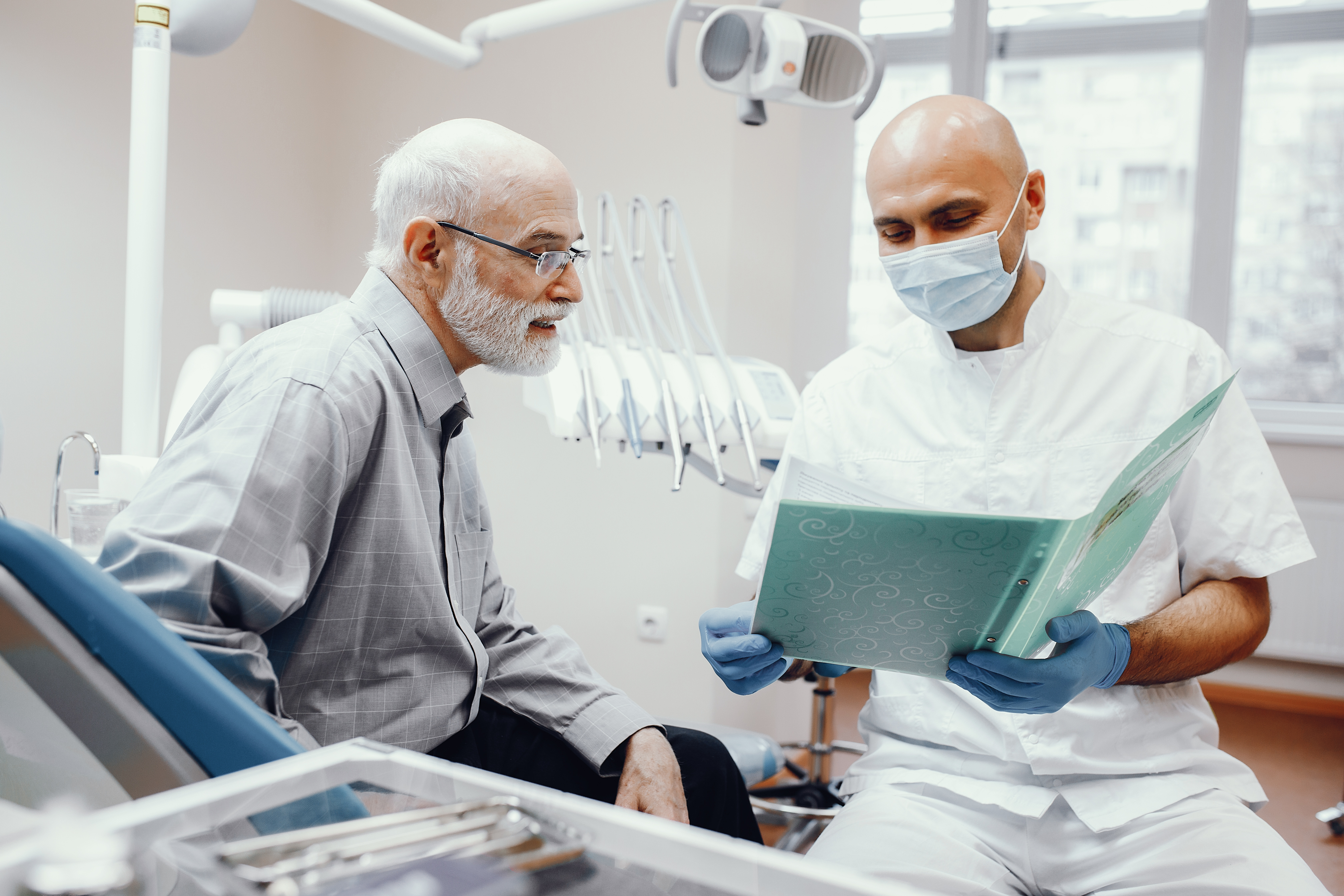

Dental implants can provide a dependable, natural-looking solution for replacing missing teeth. However, receiving an implant is only one part of the process. Long-term success also depends on how well you care for your implants, gums, and remaining teeth after treatment.
At Campbell Dental Emergency Dentist in Campbell, CA, we believe proper implant maintenance is essential for preserving comfort, function, and a healthy smile. Although dental implants cannot develop cavities like natural teeth, the gums and bone surrounding them still need consistent attention.
Whether you recently received a dental implant or have had one for years, developing good daily habits can help protect your investment and support the health of your entire mouth.
Why Dental Implant Maintenance Is Important
Dental implants are designed to function similarly to natural teeth, but they are not completely maintenance-free. Plaque and bacteria can accumulate around an implant just as they can around natural teeth.
If bacteria remain around the gumline, inflammation can develop. Over time, this may affect the tissues and bone supporting the implant. A condition known as peri-implant disease can compromise implant stability when it is not addressed.
Regular home care and professional dental examinations allow potential problems to be identified early. Maintaining healthy gums is particularly important because strong supporting tissues provide the foundation an implant needs to remain stable.
Brush Your Teeth and Implant Areas Carefully
Brushing twice a day is one of the simplest ways to protect your implants. Use a soft-bristled toothbrush and gentle pressure to clean the teeth, gumline, and areas surrounding your implants.
Pay close attention to the junction between the implant restoration and gum tissue. Plaque can collect in this area even when the visible surface of the implant looks clean.
An electric toothbrush may also be helpful for removing plaque effectively. Your dentist can recommend an appropriate brush and technique based on your individual oral health needs.
Avoid brushing aggressively. Excessive pressure can irritate the gums and contribute to tissue problems around the implant.
Clean Between Your Teeth Every Day
Brushing alone cannot remove all the food particles and plaque between teeth or around implant restorations. Daily cleaning between the teeth is therefore an important part of implant maintenance.
Depending on your implant design and individual needs, your dentist may recommend traditional floss, implant-friendly floss, interdental brushes, or a water flosser.
The goal is to keep areas around your implants free from accumulated bacteria without damaging the surrounding tissues.
If you have several implants, bridges, or other restorations, ask your dental team to demonstrate the most effective cleaning technique for your specific situation.
Consider an Appropriate Oral Rinse
An antimicrobial or dentist-recommended mouth rinse may provide additional support for maintaining a clean oral environment. However, mouthwash should complement—not replace—brushing and cleaning between your teeth.
Your dentist can help determine whether a particular rinse is appropriate for you and how frequently it should be used.
Be Careful With Hard Foods and Chewing Habits
Dental implants are strong, but unnecessary forces can still damage the restoration or place excessive stress on the supporting structures.
Avoid habits such as:
- Chewing ice
- Biting hard objects
- Opening packages with your teeth
- Frequently eating extremely hard candies
- Using your implant restoration to perform tasks unrelated to eating
A balanced diet is beneficial for your general and oral health. Staying hydrated can also help maintain a healthy mouth and support normal saliva production.
Protect Your Implants From Teeth Grinding
Grinding and clenching can place considerable pressure on teeth and implant restorations. If you grind your teeth while sleeping, the repeated force may contribute to worn, chipped, or damaged restorations.
If you experience morning jaw soreness, frequent headaches, worn teeth, or signs of grinding, discuss these symptoms with your dentist. A custom night guard may be recommended to help protect your teeth and implant restorations from excessive forces.
Avoid Tobacco Products
Tobacco use can negatively affect oral tissues and make it more difficult to maintain healthy gums around dental implants. It may also interfere with healing following implant placement.
If you use tobacco, speak with your dental professional about strategies that may help you quit. Reducing or eliminating tobacco exposure can benefit your oral health as well as your overall well-being.
Keep Your Regular Dental Appointments
Even excellent home care cannot replace professional dental monitoring. Routine examinations allow your dental team to evaluate the condition of your implants, restorations, gums, and surrounding bone.
Professional cleanings can also remove plaque and hardened deposits from areas that may be difficult to clean at home.
The frequency of your appointments depends on your oral health, implant history, gum condition, and individual risk factors. Patients with previous gum problems or other concerns may require more frequent monitoring.
Know the Warning Signs
Pay attention to changes around your dental implants. Contact your dentist if you notice:
- Persistent gum swelling or redness
- Bleeding around an implant
- Pain or tenderness
- Pus or drainage
- Persistent bad breath
- Changes in how your bite feels
- A loose implant crown or restoration
These symptoms should not be ignored. Early evaluation can help determine the cause and allow appropriate treatment before a problem becomes more complicated.
Your Dental Implants Deserve Long-Term Care
Dental implants can restore chewing function and help rebuild confidence after tooth loss. Their long-term performance depends not only on the quality of the implant treatment but also on consistent maintenance afterward.
At Campbell Dental Emergency Dentist, we help patients in Campbell, CA, understand how to care for their smiles before, during, and after dental treatment. If you have an implant that feels uncomfortable, appears damaged, or needs professional evaluation, timely dental care can help protect your oral health.
To schedule an appointment or discuss your dental implant concerns, call (415) 928-9909.
Key Takeaways
- Dental implants require regular cleaning and professional monitoring.
- Brush gently around your implant and gumline twice daily.
- Clean between your teeth and around implants every day.
- Avoid chewing ice and other hard objects.
- Discuss teeth grinding with your dentist.
- Avoid tobacco to support healthier oral tissues.
- Report pain, swelling, bleeding, or implant looseness promptly.
- Regular dental visits help monitor the health and stability of your implants.
Frequently Asked Questions
1. How long can dental implants last?
Dental implants can provide long-term tooth replacement when they are properly maintained. Their lifespan varies depending on factors such as oral hygiene, general health, bite forces, lifestyle habits, and professional care.
2. Can dental implants get cavities?
The implant itself cannot develop a cavity because it is not a natural tooth. However, plaque can accumulate around the implant, and the surrounding gums and supporting tissues can develop inflammation or infection.
3. How often should I clean my dental implants?
Clean your teeth and implant areas at least twice daily and clean between your teeth every day. Your dentist can recommend specific products and techniques based on your implant restoration.
4. Are water flossers safe for dental implants?
Water flossers can be useful for cleaning around implants when used correctly. Ask your dentist about the appropriate device and settings for your particular restoration.
5. What should I do if my dental implant feels loose?
A loose implant restoration or unusual movement should be evaluated by a dentist promptly. Do not attempt to tighten or adjust it yourself.
6. Can smoking affect dental implants?
Yes. Tobacco use can negatively affect gum health, healing, and the tissues surrounding implants. Avoiding tobacco can help support better oral health and implant maintenance.
7. Do dental implants require professional cleanings?
Yes. Professional examinations and cleanings remain important even when you have excellent home-care habits. Your dentist can monitor the implant and surrounding tissues for early signs of potential problems.
8. Can I eat normally with dental implants?
Once your implant treatment and restoration are complete and your dentist confirms that healing is adequate, implants are designed to restore normal chewing function. However, extremely hard foods and damaging chewing habits should still be avoided.