
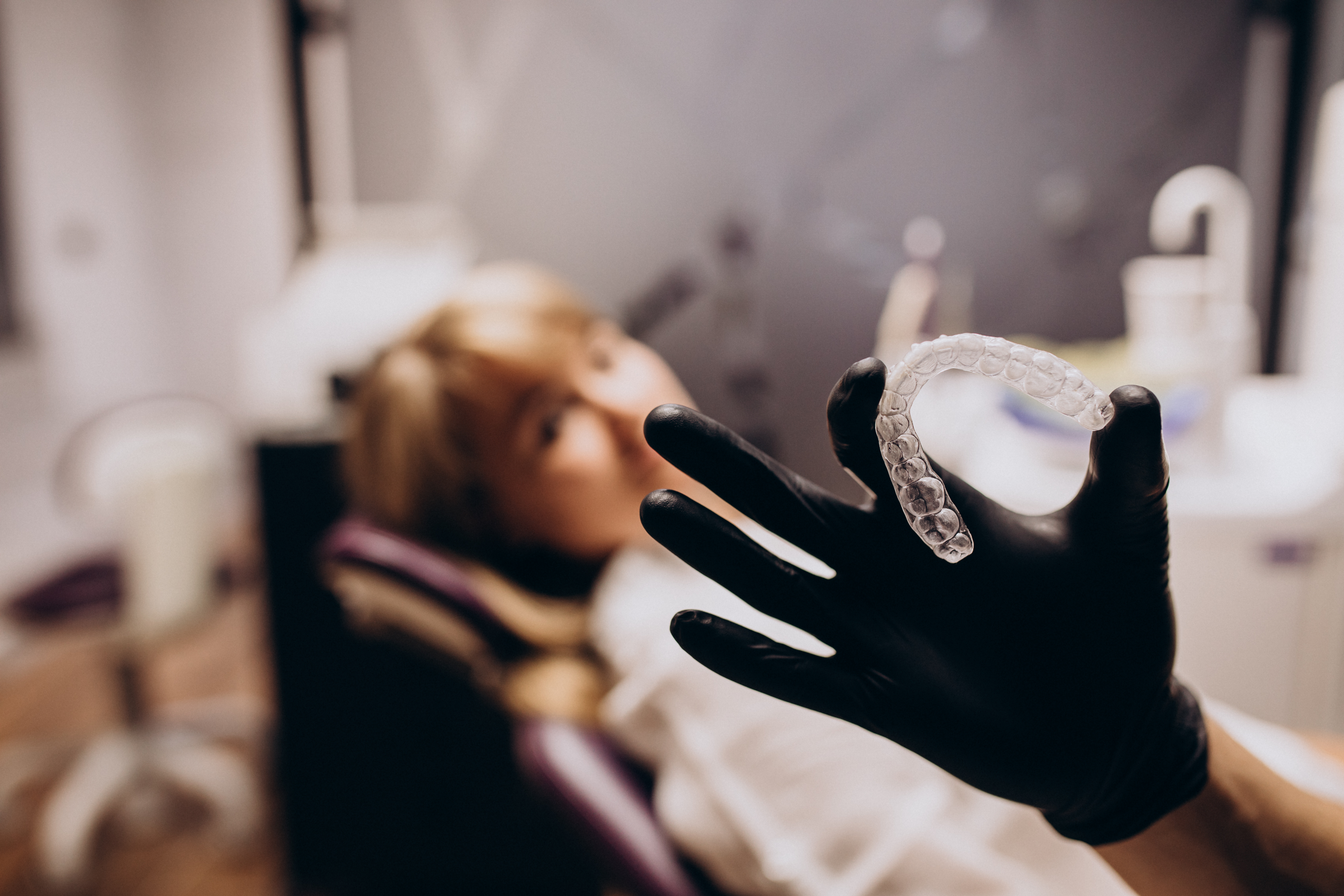
Starting Invisalign® treatment is an exciting step toward achieving a straighter, healthier smile. While the clear aligners are designed for comfort and convenience, it is completely normal to experience mild pressure or tenderness, especially when beginning treatment or switching to a new set of aligners. Fortunately, these sensations are temporary and can often be managed with a few simple habits.
Many patients are surprised to learn that mild discomfort is actually a positive sign. It means your aligners are applying the precise, controlled force needed to gradually move your teeth into their ideal positions. Instead of viewing this sensation as a setback, think of it as evidence that your treatment is progressing exactly as planned.
At Campbell Dental Emergency Dentist in Campbell, CA, we believe that a comfortable treatment experience leads to better patient confidence and long-term success. Here are practical Invisalign® comfort tips that can help make your smile journey smoother from start to finish.
Why Invisalign® May Feel Tight at First
Every Invisalign® aligner is custom-made to move your teeth slightly closer to their final position. Because each new tray represents the next stage of treatment, you may notice pressure during the first day or two after switching aligners.
This feeling usually occurs because:
- Your teeth are adjusting to controlled movement.
- The new aligner fits more snugly than the previous one.
- Your mouth is adapting to a different tray shape.
Most patients find that the pressure gradually decreases within a few days as their teeth begin responding to the aligner.
Understanding why the discomfort occurs can make the process feel much less intimidating.
1. Change to a New Aligner Before Bed
One of the easiest ways to improve your Invisalign® experience is to begin wearing each new aligner at night.
Since the first several hours tend to produce the greatest pressure, sleeping through this adjustment period allows your teeth to begin adapting while you rest. By the following morning, many patients notice that the initial tightness has already started to decrease.
Making nighttime tray changes part of your routine can significantly improve overall comfort.
2. Keep Your Aligners Fully Seated
Properly fitting aligners are essential for both comfort and treatment effectiveness.
After inserting your aligners, gently bite down using Invisalign® chewies or follow your dentist’s instructions to ensure the trays fit snugly against every tooth.
Well-seated aligners help:
- Improve tooth movement
- Reduce unnecessary pressure points
- Prevent air gaps
- Increase treatment accuracy
Taking a few extra minutes after inserting your aligners can make a noticeable difference.
3. Stay Consistent With Wear Time
Some patients assume removing their aligners whenever they feel pressure will make treatment easier. In reality, inconsistent wear often makes the discomfort worse.
When aligners remain out of your mouth for extended periods, your teeth begin shifting back toward their previous positions. Reinserting the trays later usually creates more pressure than if they had remained in place.
For the best results, wear your Invisalign® aligners for 20 to 22 hours each day, removing them only for eating, drinking anything other than water, and oral hygiene.
Consistency leads to smoother tooth movement and greater comfort throughout treatment.
4. Eat Soft Foods After Switching Aligners
Your teeth may feel slightly tender during the first day after changing to a new tray.
Choosing softer foods during this short adjustment period can help minimize discomfort while chewing.
Good options include:
- Yogurt
- Mashed potatoes
- Soup
- Scrambled eggs
- Smoothies
- Oatmeal
- Pasta
As the tenderness fades, you can comfortably return to your normal diet.
5. Rinse With Warm Salt Water
If your gums or cheeks feel mildly irritated while adjusting to a new aligner, rinsing with warm salt water can provide temporary relief.
Mix a teaspoon of salt into a glass of warm water and gently rinse for about 30 seconds.
This simple home remedy may help:
- Soothe minor irritation
- Reduce inflammation
- Promote healthy gum tissue
- Improve overall comfort
It is a quick and natural way to ease temporary soreness during treatment.
6. Keep Your Aligners Clean
Clean aligners contribute to a more comfortable treatment experience.
Plaque, bacteria, and food particles can build up on aligners if they are not cleaned properly, leading to unpleasant odors and potential irritation.
Clean your aligners daily using:
- Lukewarm water
- A soft toothbrush
- Clear, gentle cleanser recommended by your dentist
Avoid hot water, which may warp the plastic and affect the fit of your aligners.
7. Communicate With Your Dentist
While mild pressure is expected, discomfort should gradually improve within a few days.
If you experience:
- Sharp pain
- A cracked aligner
- An aligner that will not fit properly
- Persistent irritation
- Significant swelling
contact your dental provider promptly.
At Campbell Dental Emergency Dentist, our team is always available to answer questions, evaluate your progress, and ensure your Invisalign® treatment remains comfortable and effective.
Why Professional Guidance Makes a Difference
Successful Invisalign® treatment involves much more than simply wearing clear aligners.
Regular checkups allow your dentist to:
- Monitor tooth movement
- Ensure aligners fit correctly
- Make treatment adjustments when necessary
- Answer questions throughout your smile journey
- Keep your treatment progressing on schedule
Professional monitoring helps maximize both comfort and treatment success.
Begin Your Invisalign® Journey in Campbell, CA
If you are considering Invisalign® or have recently started treatment, understanding how to manage temporary discomfort can make your experience far more enjoyable.
At Campbell Dental Emergency Dentist, we provide personalized Invisalign® care designed to help patients achieve beautiful, healthy smiles with confidence.
Whether you are exploring clear aligners for the first time or need guidance during treatment, our experienced dental team is here to support you every step of the way.
To schedule your Invisalign® consultation, call 415-928-9909 today and discover how comfortable modern orthodontic treatment can be.
Conclusion
A comfortable Invisalign® experience begins with good habits, consistent wear, and professional guidance. While mild pressure is a normal part of tooth movement, simple strategies such as changing aligners at bedtime, maintaining excellent oral hygiene, wearing your aligners as directed, and choosing softer foods during adjustment periods can make your treatment much easier.
At Campbell Dental Emergency Dentist in Campbell, CA, we are committed to helping every patient enjoy a smooth Invisalign® journey from consultation to final results. If you are ready to straighten your smile with clear aligners or have questions about Invisalign® treatment, call 415-928-9909 today to schedule your consultation and take the first step toward a healthier, more confident smile.
Frequently Asked Questions
1. Is it normal for Invisalign® aligners to feel tight?
Yes. Mild tightness is completely normal, particularly when starting a new set of aligners. The pressure indicates your teeth are gradually moving according to your customized treatment plan.
2. How long does Invisalign® discomfort usually last?
Most patients experience mild pressure for one to three days after switching to a new aligner. The sensation typically decreases as your teeth adjust.
3. Can I remove my aligners if they feel uncomfortable?
You should avoid removing them unnecessarily. Wearing your aligners consistently for 20 to 22 hours each day helps your teeth move smoothly and actually reduces repeated discomfort.
4. What foods should I eat if my teeth feel sore?
Soft foods such as yogurt, soup, mashed potatoes, oatmeal, smoothies, eggs, and pasta are excellent choices during the first day or two after changing aligners.
5. When should I contact my dentist during Invisalign® treatment?
You should contact your dentist if you experience severe pain, broken aligners, persistent irritation, swelling, or aligners that do not fit correctly. Prompt evaluation helps keep your treatment on track.