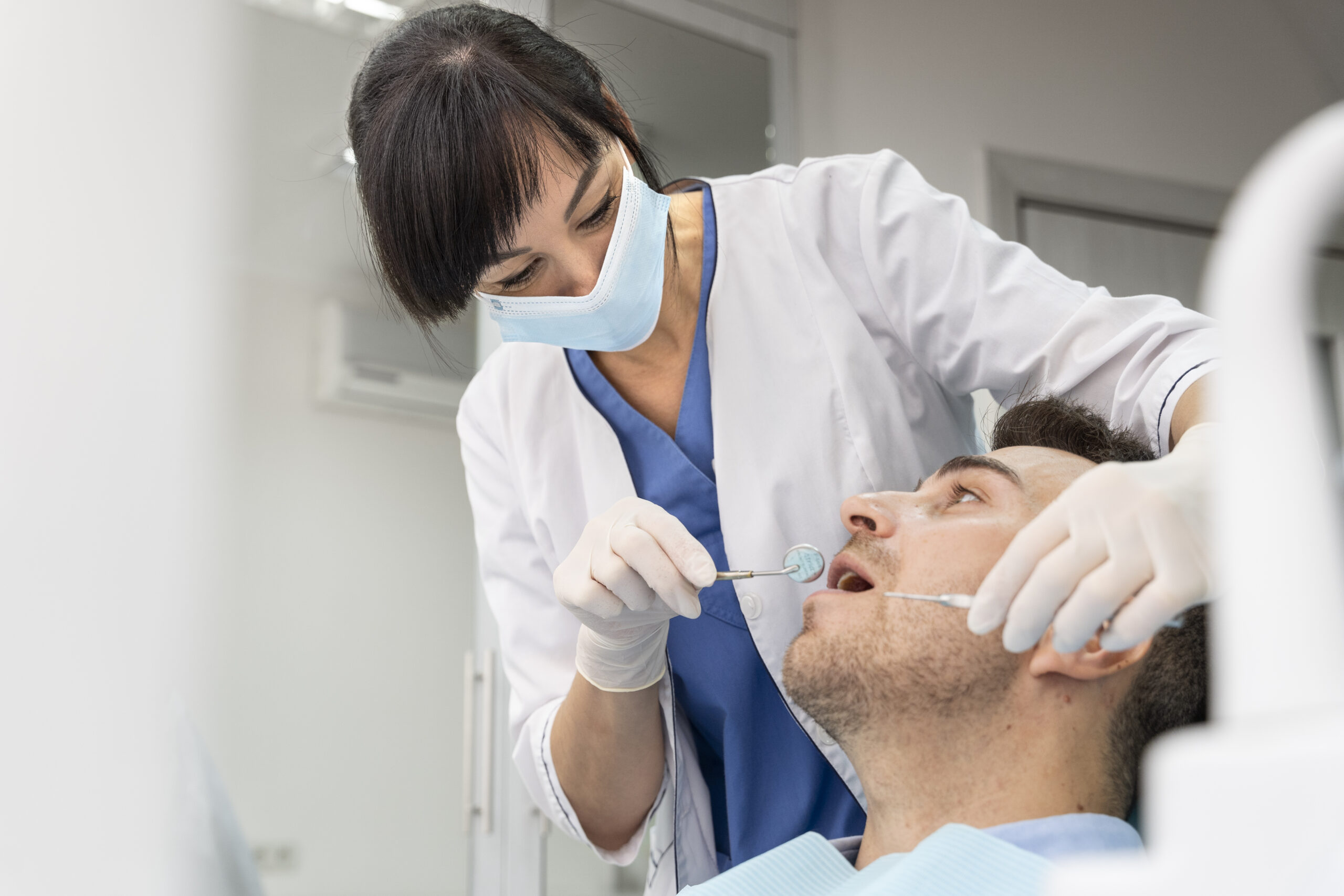

A sudden toothache can interrupt your day, keep you awake at night, and make even simple tasks like eating or drinking uncomfortable. While some tooth pain may be caused by minor sensitivity, other cases can point to a serious infection inside the tooth that requires immediate attention. Knowing when to seek emergency dental care can protect your oral health and even help save your natural tooth.
At Campbell Dental Emergency Dentist in Campbell, CA, our priority is providing prompt care for patients experiencing severe tooth pain and other urgent dental concerns. If you’re unsure whether your symptoms require emergency treatment, understanding the common warning signs can help you make the right decision.
Why Some Toothaches Should Never Be Ignored
Not every toothache is the same. A mild ache after eating something cold may disappear within minutes, but persistent or intense pain often signals a deeper problem.
Inside every tooth is a soft tissue called the dental pulp. This area contains nerves, blood vessels, and connective tissue that keep the tooth healthy. When bacteria enter the pulp because of deep decay, a cracked tooth, repeated dental procedures, or trauma, the tissue becomes inflamed or infected.
Unfortunately, the pulp cannot heal itself once the infection becomes severe. Without timely treatment, the infection may spread to the surrounding bone and gums, increasing the risk of tooth loss and other health complications.
Recognizing the symptoms early allows your dentist to treat the problem before it becomes more serious.
Signs Your Toothache May Be a Dental Emergency
1. Severe, Constant Tooth Pain
A toothache that refuses to go away is one of the clearest signs you should schedule an emergency dental visit.
Pain that continues for several hours or worsens over time often indicates inflammation or infection inside the tooth. The discomfort may feel sharp, throbbing, or pulsating and can become intense enough to interfere with sleeping, eating, or concentrating.
Persistent pain rarely resolves on its own and should always be evaluated by an emergency dentist.
2. Pain That Worsens When Biting
Does your tooth hurt every time you chew?
Pain while biting may indicate:
- Infection reaching the tooth root
- A cracked tooth
- Damage to the supporting tissues
- Advanced decay affecting the dental pulp
This type of discomfort often suggests that pressure on the tooth is irritating inflamed tissues beneath the surface.
3. Swollen Gums or Facial Swelling
Swelling around a painful tooth should never be ignored.
Inflammation in the gums, jaw, or face may indicate that bacteria have spread beyond the tooth itself. As infection progresses, an abscess may develop, creating a pocket of pus around the tooth root.
Signs include:
- Swollen gums
- Puffy cheeks
- Tender jaw
- Redness around the affected area
- Difficulty opening your mouth comfortably
Prompt treatment helps prevent the infection from spreading further.
4. Sensitivity That Lingers
Brief sensitivity to hot or cold foods is common for many people.
However, discomfort that lasts several minutes after the temperature is removed may suggest damage to the tooth’s nerve.
Lingering sensitivity often indicates that the pulp has become inflamed and should be evaluated before the condition worsens.
5. A Pimple on the Gums
A small bump or pimple near a painful tooth may actually be a draining dental abscess.
You might notice:
- A bad taste in your mouth
- Pus drainage
- Persistent swelling
- Unpleasant breath despite brushing
Even if the pain temporarily decreases after drainage occurs, the infection remains and still requires professional treatment.
6. Pain After Dental Trauma
A fall, sports injury, or accident can damage the inside of a tooth without causing visible fractures.
If you experience:
- Persistent pain
- Tooth discoloration
- Sensitivity
- Swelling
following an injury, seek emergency dental care as soon as possible. Early treatment may help preserve the tooth.
What Happens During Your Emergency Visit?
When you visit Campbell Dental Emergency Dentist, the first priority is identifying the exact source of your pain.
Your emergency evaluation typically includes:
- A comprehensive examination
- Digital X-rays
- Assessment of the surrounding gums and bone
- Bite evaluation
- Discussion of your symptoms and medical history
After identifying the cause, your dentist will explain the available treatment options and recommend the most appropriate solution.
If the infection has reached the dental pulp, endodontic treatment may be recommended to eliminate bacteria while preserving your natural tooth.
How Endodontic Treatment Relieves Tooth Pain
Many people associate endodontic care with discomfort, but modern techniques are designed to relieve pain rather than cause it.
The procedure generally involves:
Removing the Infection
The infected pulp is carefully removed from inside the tooth using specialized instruments.
Cleaning the Root Canals
The canals are disinfected to eliminate bacteria and reduce the risk of future infection.
Sealing the Tooth
After cleaning, the canals are sealed with a biocompatible material to protect against reinfection.
Restoring Strength
In many cases, a dental crown is placed afterward to restore the tooth’s strength, appearance, and function.
Most patients experience significant relief once the infected tissue has been removed.
Simple Ways to Manage Tooth Pain Before Your Appointment
While emergency dental care should never be delayed, these measures may help reduce discomfort until you’re seen by your dentist.
Rinse with Warm Salt Water
A gentle saltwater rinse can help reduce bacteria and soothe irritated tissues.
Apply a Cold Compress
If swelling is present, place a cold pack against the outside of your cheek for 15 to 20 minutes at a time.
Take Medication as Directed
Over-the-counter pain relievers may temporarily reduce discomfort when taken according to the manufacturer’s instructions.
Avoid Trigger Foods
Extremely hot, cold, sugary, or hard foods may increase sensitivity and should be avoided until treatment.
Keep the Area Clean
Continue brushing and flossing gently to reduce bacterial buildup around the affected tooth.
Why Prompt Treatment Matters
Delaying treatment allows infection additional time to spread.
Early care offers several important benefits:
- Greater chance of saving your natural tooth
- Relief from severe pain
- Reduced risk of abscess formation
- Prevention of infection spreading into surrounding tissues
- Less complex treatment in many cases
Seeking care promptly often results in better long-term outcomes and fewer complications.
Conclusion
A toothache is your body’s way of telling you that something isn’t right. While minor sensitivity may resolve quickly, persistent pain, swelling, prolonged sensitivity, or signs of infection should never be ignored. Acting early can make the difference between saving a tooth and facing more extensive treatment later.
At Campbell Dental Emergency Dentist, we understand that dental emergencies rarely happen at a convenient time. Our experienced team is committed to providing prompt, compassionate care to relieve pain, diagnose the cause of your symptoms, and restore your oral health as quickly as possible.
If you’re experiencing severe tooth pain or believe you may have a dental emergency, don’t wait. Call Campbell Dental Emergency Dentist in Campbell, CA, today at 415-928-9909 to schedule an emergency appointment and get the care you need when it matters most.
Frequently Asked Questions
Q1. How do I know if my toothache is an emergency?
A toothache should be considered an emergency if the pain is severe, persistent, accompanied by swelling, fever, pus drainage, or difficulty chewing. These symptoms may indicate an infection requiring immediate treatment.
Q2. Can an infected tooth heal without treatment?
No. Once the dental pulp becomes infected, the infection will not resolve on its own. Professional treatment is necessary to eliminate bacteria and prevent the condition from worsening.
Q3. Is endodontic treatment painful?
Modern endodontic procedures are performed using local anesthesia and advanced techniques that prioritize patient comfort. Most patients report that the procedure feels similar to having a routine dental filling.
Q4. Should I visit an emergency dentist if my tooth pain comes and goes?
Yes. Intermittent pain may still indicate nerve damage or early infection. Having the tooth evaluated before symptoms become severe can help prevent more extensive treatment later.
Q5. When should I call Campbell Dental Emergency Dentist?
Contact Campbell Dental Emergency Dentist immediately if you experience severe tooth pain, facial swelling, a knocked-out tooth, persistent bleeding, dental trauma, or signs of infection. Early treatment provides the best opportunity to relieve pain and preserve your natural tooth.