A child’s smile changes quickly during the early years. Baby teeth appear, help children learn to chew and speak, and eventually make room for permanent teeth. Because so much development happens during childhood, dental care should begin early rather than waiting until adult teeth arrive.
At Campbell Dental Emergency Dentist, we believe pediatric dentistry is an important part of helping children develop healthy oral habits and positive attitudes toward dental visits. Children in Campbell, CA benefit from age-appropriate preventive care, regular examinations, and guidance that helps protect their teeth as they grow.
Why Baby Teeth Deserve Care
It is easy to assume that cavities in baby teeth are not a major concern because these teeth eventually fall out. However, baby teeth serve important functions while they are present.
Healthy primary teeth help children chew food comfortably and support clear speech development. They also help maintain appropriate space for permanent teeth developing beneath the gums.
When tooth decay is left untreated, it can cause discomfort, infection, and difficulty eating. In some cases, severe decay may require early removal of a baby tooth, which can affect the normal development of the child’s smile.
Taking care of primary teeth is therefore an important part of supporting a child’s overall oral development.
When Should Children Begin Seeing a Dentist?
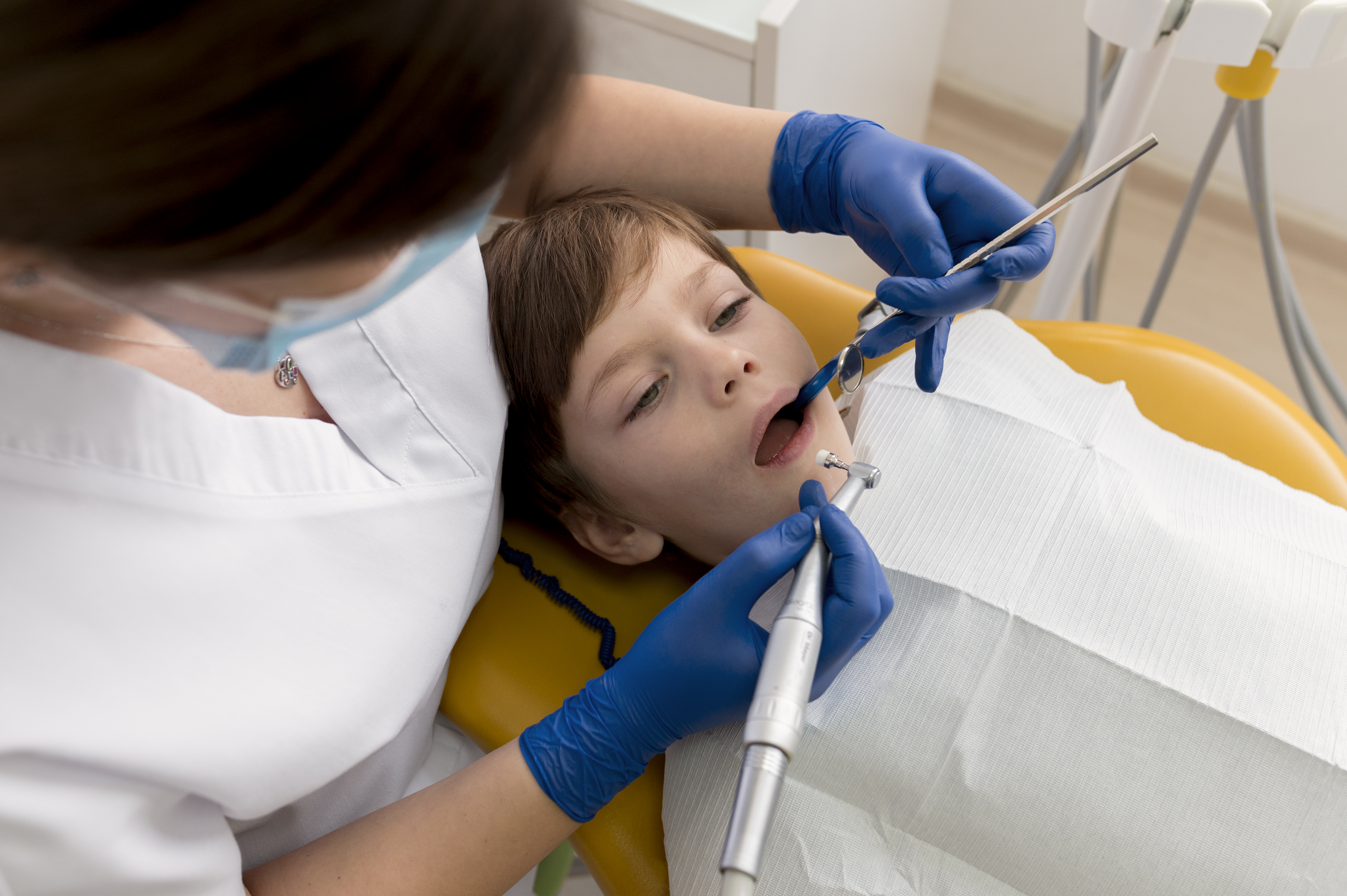
Children should begin receiving dental care early in life. An early dental visit allows the dentist to examine developing teeth and gums while parents receive practical guidance about brushing, nutrition, fluoride, and other preventive measures.
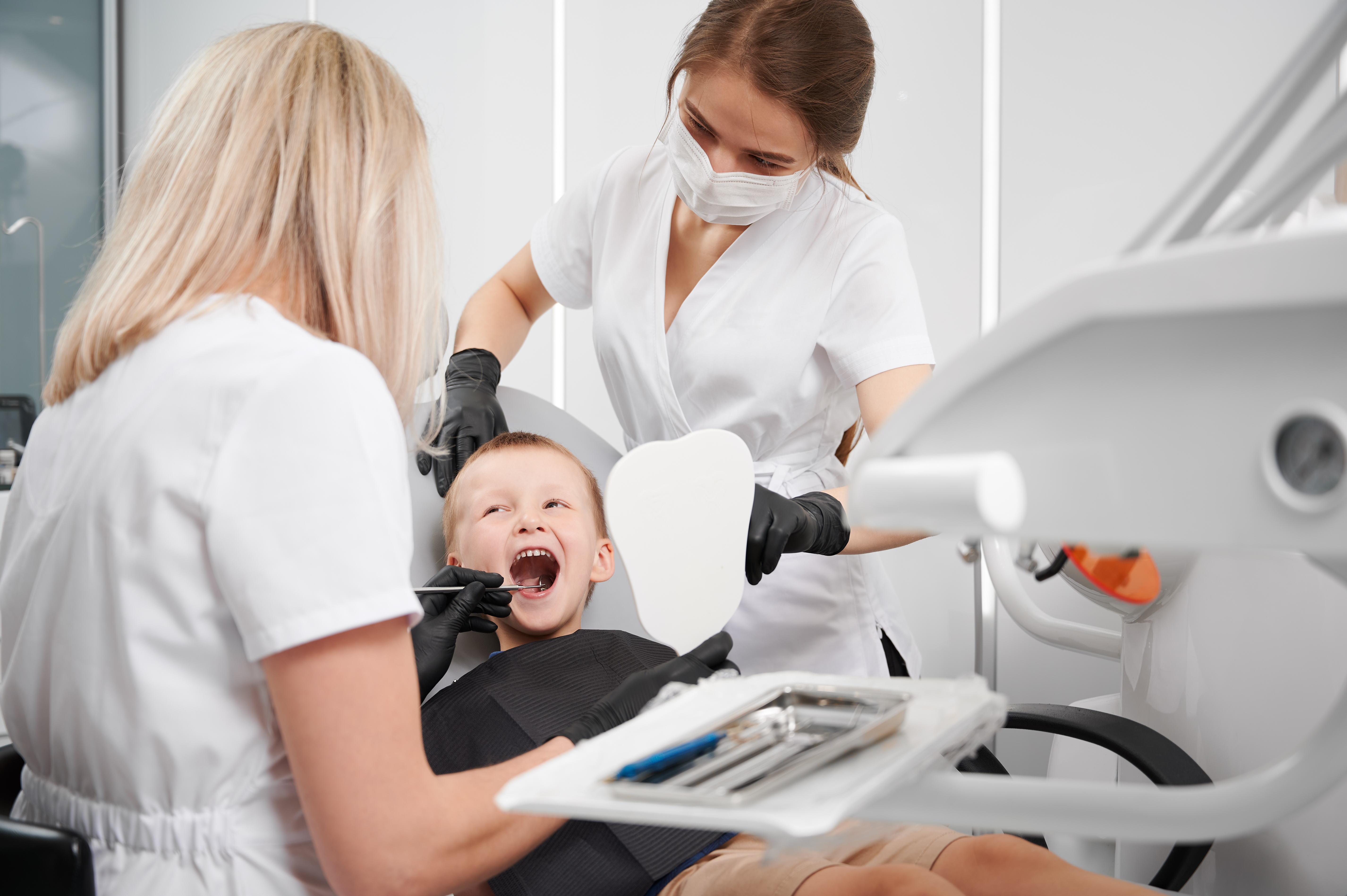
Regular visits also help children become familiar with the dental environment. When dental appointments become a normal part of growing up, children may feel more comfortable with professional dental care as they get older.
Parents should not wait for a child to complain about tooth pain before scheduling an appointment. Preventive visits are designed to identify potential concerns before they become more complicated.
Building Good Brushing Habits
Children need help developing effective brushing habits. Parents should supervise young children and make sure all tooth surfaces are cleaned thoroughly.
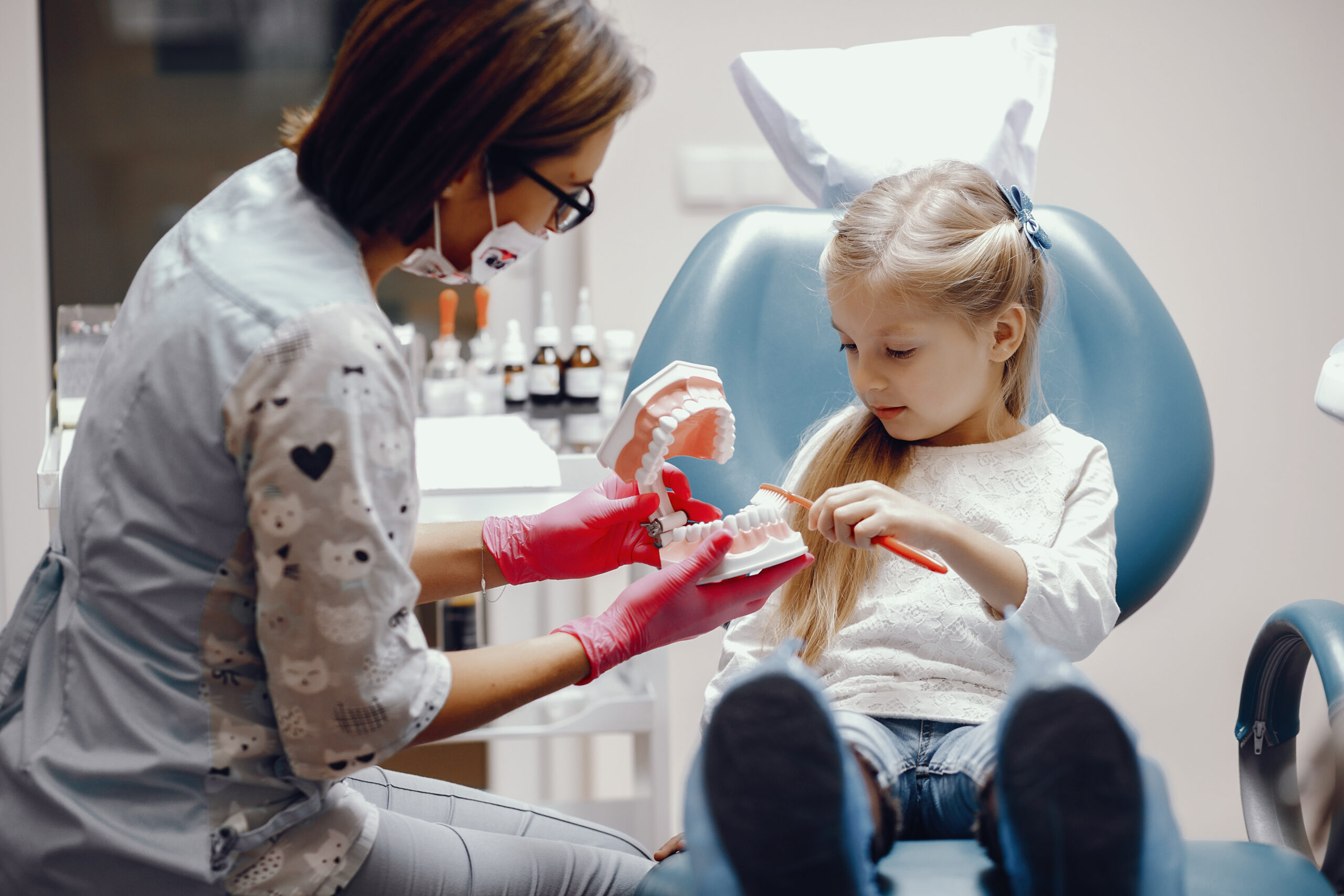
Use a soft-bristled toothbrush and an age-appropriate amount of fluoride toothpaste. Encourage your child to brush twice a day and teach them to reach the front, back, and chewing surfaces of their teeth.
Young children may not yet have the coordination required to brush effectively on their own. Parents can allow children to practice brushing while following up to make sure their teeth are properly cleaned.
As children grow, teaching them why brushing matters can help turn oral hygiene into a lasting daily habit.
The Importance of Fluoride
Fluoride helps strengthen tooth enamel and makes teeth more resistant to acid attacks that can contribute to cavities. Depending on a child’s individual needs, a dentist may recommend professional fluoride treatments as part of preventive dental care.
Your child’s dentist can also discuss fluoride toothpaste and other ways to maintain appropriate fluoride exposure at home.
Because every child has different dental needs, preventive recommendations should be based on their age, oral health, cavity risk, and development.
Dental Sealants for Added Protection
Some children’s teeth have deep grooves and pits that can be difficult to clean thoroughly. These areas can trap food particles and bacteria, increasing the risk of cavities.
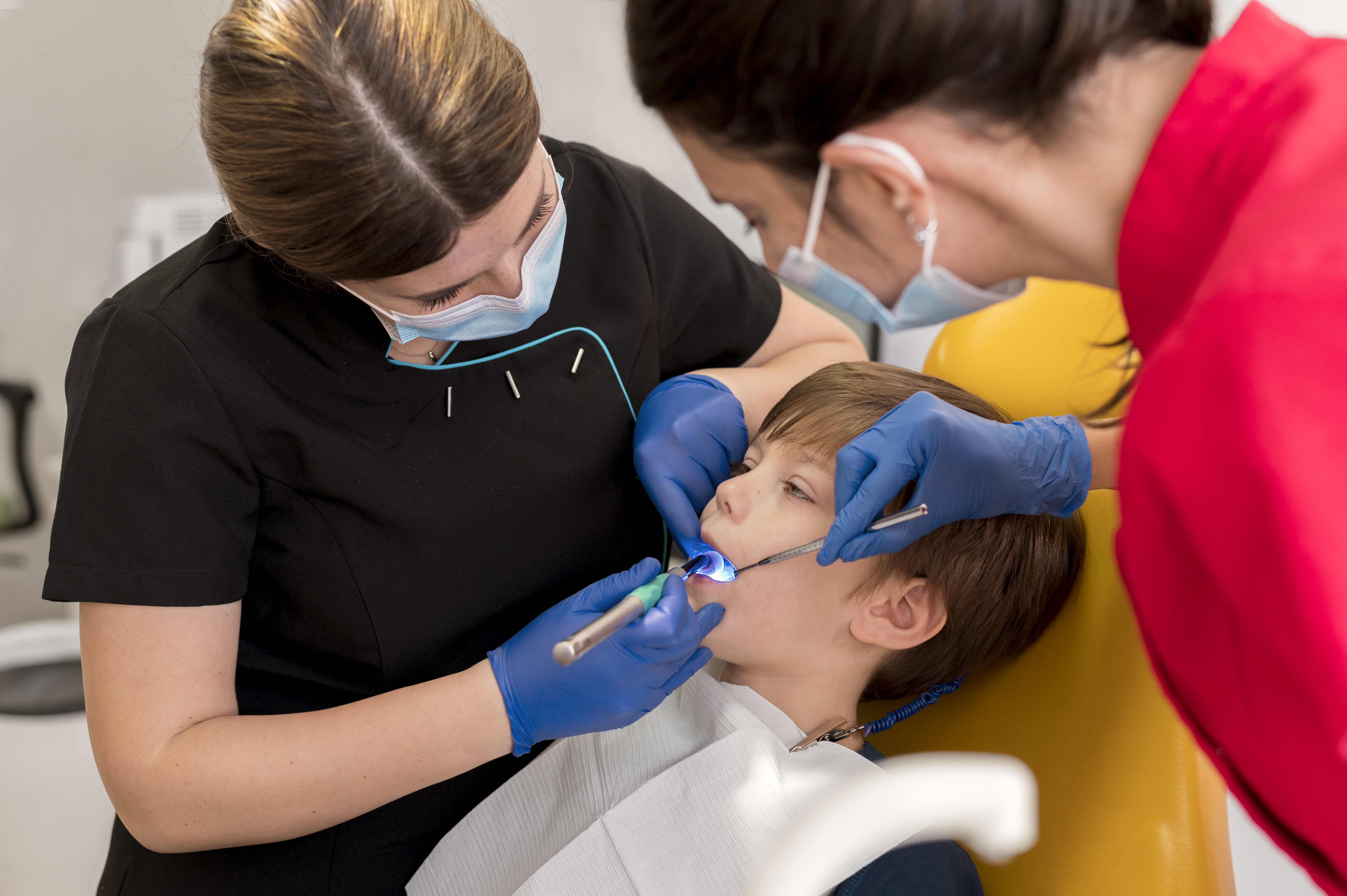
Dental sealants are thin protective coatings that can be placed over selected chewing surfaces. They create a smoother surface that is easier to keep clean and provide an additional layer of protection against decay.
Your dentist can determine whether sealants may be appropriate for your child’s developing teeth.
Nutrition and Children’s Oral Health
A child’s diet can have a significant effect on dental health. Frequent exposure to sugary foods and drinks can increase the risk of tooth decay.
Encourage nutritious meals and snacks while limiting frequent sugary treats. Water is an excellent everyday beverage because it helps keep the mouth hydrated and can wash away food particles.
Sticky snacks can remain on teeth longer, so brushing and rinsing after meals and snacks can be especially helpful when appropriate.
Good nutrition supports more than healthy teeth. It also contributes to children’s overall growth and development.
Helping Children Feel Comfortable at the Dentist
Some children feel nervous about dental appointments, especially when they are experiencing something unfamiliar. Parents can help by speaking positively about dental visits and avoiding language that may create unnecessary fear.
A calm, age-appropriate approach can make appointments more comfortable. Pediatric dental care should focus not only on treating teeth but also on helping children develop confidence around oral healthcare.
Regular preventive visits give children opportunities to become familiar with the dental team and the dental environment before an urgent problem occurs.
When Should Parents Contact a Dentist?
Parents should contact a dental professional if their child develops tooth pain, facial swelling, bleeding, a damaged tooth, sensitivity, or other unusual oral symptoms.
A dental injury can also require prompt evaluation, particularly if a tooth becomes loose, chipped, displaced, or knocked out.
For urgent dental concerns in Campbell, CA, parents can contact Campbell Dental Emergency Dentist at 4159289909 for guidance about the appropriate next step.
Conclusion
Pediatric dentistry is about more than treating cavities. It is about protecting developing teeth, monitoring oral growth, preventing avoidable problems, and helping children build healthy habits that can continue into adulthood.
With regular dental visits, effective brushing and flossing, nutritious food choices, fluoride when appropriate, and professional preventive care, parents can give their children a strong foundation for lifelong oral health.
At Campbell Dental Emergency Dentist, we are committed to helping families in Campbell, CA understand their children’s dental needs and receive appropriate care as their smiles develop. If you have questions about your child’s oral health or need prompt dental assistance, call 4159289909.
Frequently Asked Questions
1. When should my child have their first dental visit?
Children should begin dental visits early in childhood. An early appointment allows the dentist to monitor oral development and help parents establish appropriate preventive care habits.
2. Do baby teeth really need to be treated if they will eventually fall out?
Yes. Baby teeth help children chew and speak and maintain space for permanent teeth. Untreated decay can cause pain, infection, and other complications.
3. How often should my child visit the dentist?
Many children benefit from regular dental examinations approximately every six months, although the recommended schedule can vary based on their individual oral health and cavity risk.
4. Are dental sealants safe for children?
Dental sealants are commonly used as a preventive treatment for children and can protect vulnerable chewing surfaces from food and bacteria. Your dentist can determine whether they are appropriate for your child.
5. What should I do if my child has a dental emergency?
If your child experiences significant tooth pain, swelling, dental trauma, or a damaged or knocked-out tooth, contact a dental professional promptly. For urgent dental concerns in Campbell, CA, call 4159289909.