At Campbell Dental Emergency Dentist, we understand that children’s dental needs change as they grow. Pediatric dentistry focuses on protecting developing teeth, encouraging healthy oral habits, and helping children feel comfortable receiving dental care. For families in Campbell, CA, establishing positive dental routines early can provide children with a strong foundation for a healthy smile as they grow.
Why Children Need Specialized Dental Care
A child’s mouth is constantly changing. Primary teeth eventually make way for permanent teeth, while the jaw and surrounding structures continue to develop. Although baby teeth are temporary, they play important roles in chewing, speaking, maintaining space for permanent teeth, and supporting normal oral development.
Regular pediatric dental visits allow potential concerns to be identified while they are still developing. Early attention to cavities, gum problems, tooth development, and oral habits can help support healthier dental development.
The Importance of Caring for Baby Teeth
Baby teeth are more than temporary placeholders. Healthy primary teeth help children eat comfortably and develop clear speech. They also help maintain appropriate space for permanent teeth.
When tooth decay affects a baby tooth, it can cause discomfort and make eating or sleeping more difficult. In some situations, untreated decay can also lead to infection. Teaching children to care for their primary teeth is therefore an important part of their overall dental routine.
Parents can help by supervising brushing, encouraging regular dental visits, and limiting frequent exposure to sugary foods and drinks.
Preventing Cavities in Children
Tooth decay is one of the most common oral health concerns among children. Plaque contains bacteria that use sugars from food and beverages to produce acids that can weaken tooth enamel.
A consistent preventive routine can reduce the risk of cavities. Important habits include:
- Brush twice each day: Use an age-appropriate amount of fluoride toothpaste and supervise younger children.
- Clean between teeth: Flossing or another dentist-recommended method can remove plaque from areas a toothbrush cannot reach.
- Choose nutritious foods: Offer balanced meals and limit frequent sugary snacks and drinks.
- Encourage water: Water can help keep the mouth hydrated and rinse away food particles.
- Maintain dental appointments: Regular examinations allow your child’s dentist to monitor developing teeth and identify concerns early.
Helping Children Feel Comfortable at the Dentist
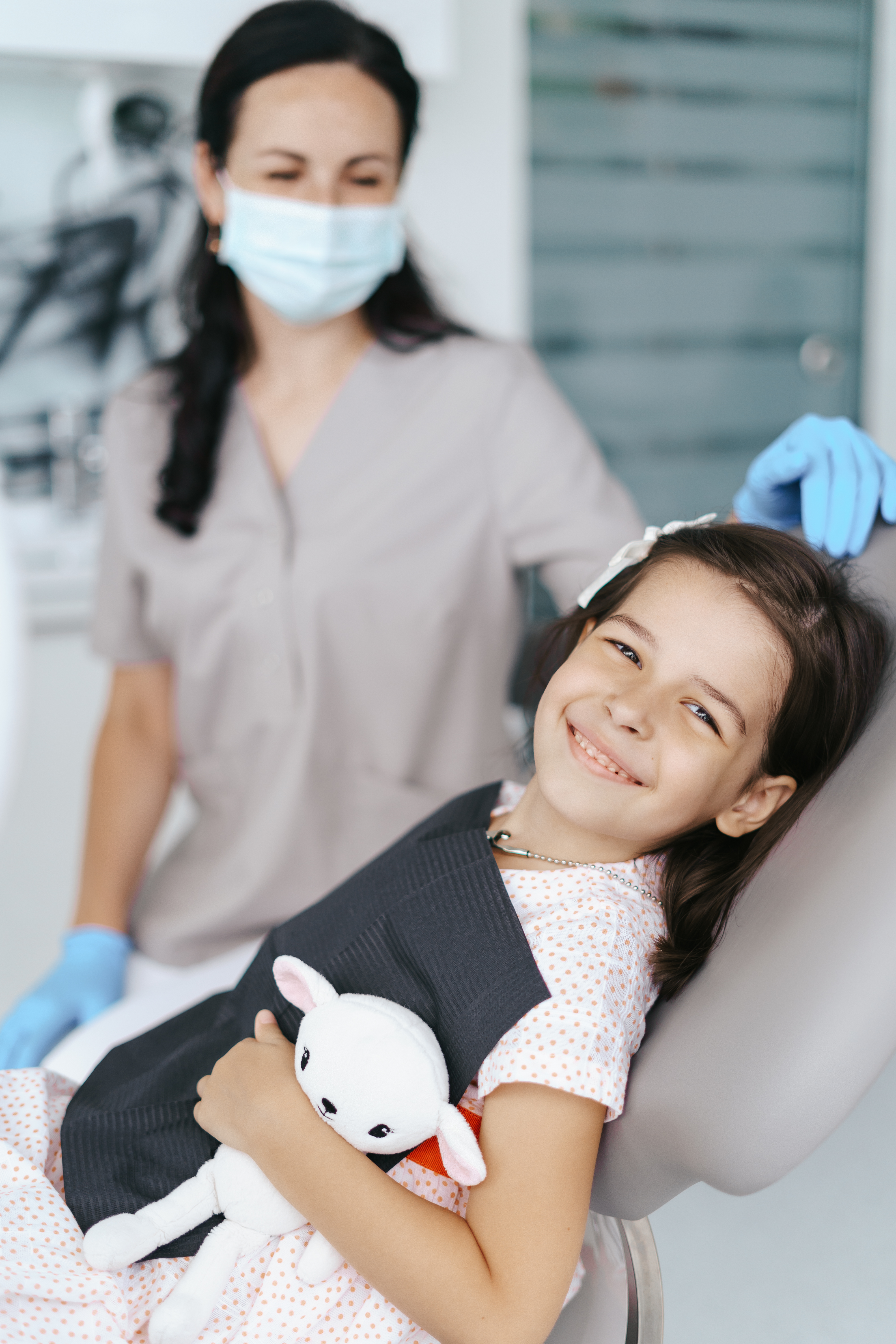
A child’s early dental experiences can influence how they feel about dental visits later in life. Creating a positive and supportive environment can help children become more comfortable with routine dental care.
Parents can prepare children by explaining that the dentist helps keep their teeth healthy without using frightening language. Maintaining a calm attitude can also help reduce anxiety.
Regular visits can allow children to become familiar with the dental environment, making appointments feel more predictable and comfortable over time.
Monitoring Growing Smiles
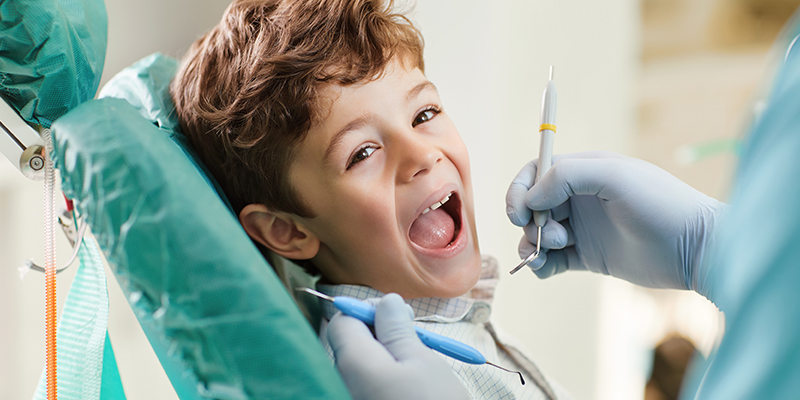
Children experience several important stages of dental development. Dentists can monitor the eruption of primary and permanent teeth and look for concerns involving spacing, tooth position, bite development, and oral habits.
Behaviors such as prolonged thumb sucking or pacifier use may sometimes affect the development of the teeth and jaws. Your dentist can discuss these habits with you and recommend appropriate guidance based on your child’s age and individual needs.
Early monitoring does not necessarily mean that treatment is required. Instead, it gives parents and dental professionals an opportunity to observe development and address concerns when appropriate.
Dental Emergencies in Children
Children can experience dental injuries while playing sports, participating in recreational activities, or simply during everyday activities. A chipped, fractured, displaced, or knocked-out tooth should receive professional attention as soon as possible.
Persistent tooth pain, swelling, bleeding, or signs of infection should also be evaluated promptly. Parents should avoid ignoring dental symptoms simply because a child’s tooth is a primary tooth.
At Campbell Dental Emergency Dentist, families in Campbell, CA can seek professional dental attention when a child experiences an urgent dental concern.
Building Healthy Habits at Home
Parents and caregivers have an important role in establishing good oral health habits. Young children may need assistance with brushing because they have not yet developed the coordination needed to clean every surface effectively.
As children become more independent, parents can continue monitoring their routines and reinforcing the importance of daily oral hygiene. Making brushing a consistent part of the morning and bedtime routine can help children develop habits that continue into adulthood.
Supporting Your Child’s Smile in Campbell, CA
Pediatric dentistry is about more than treating cavities. It involves monitoring dental development, preventing common oral health problems, encouraging healthy habits, and helping children develop a positive relationship with dental care.
At Campbell Dental Emergency Dentist, we are committed to helping families in Campbell, CA understand the importance of children’s oral health. Whether your child needs a routine dental examination or requires prompt attention following a dental injury, professional care can help protect their developing smile.
For more information or to discuss your child’s dental needs, contact 4159289909.
Frequently Asked Questions
1. When should children start visiting the dentist?
Children should begin receiving dental care early in life. Your dentist can recommend an appropriate schedule based on your child’s age, oral development, and individual dental needs.
2. Are baby teeth really important if they eventually fall out?
Yes. Baby teeth help children chew and speak and help maintain space for permanent teeth. Keeping them healthy can also help prevent pain and dental infections.
3. How can I prevent cavities in my child?
Encourage twice-daily brushing with fluoride toothpaste, clean between the teeth, limit frequent sugary foods and drinks, provide nutritious meals, and maintain regular dental visits.
4. What should I do if my child chips a tooth?
A chipped tooth should be evaluated by a dentist, particularly if your child has pain, sensitivity, bleeding, or damage extending deeper into the tooth. Prompt evaluation can help determine the appropriate treatment.
5. Can thumb sucking affect a child’s teeth?
Prolonged thumb sucking can sometimes influence the position of the teeth or development of the jaws. Your dentist can monitor the habit and discuss appropriate recommendations based on your child’s development.
6. Why are regular pediatric dental visits important?
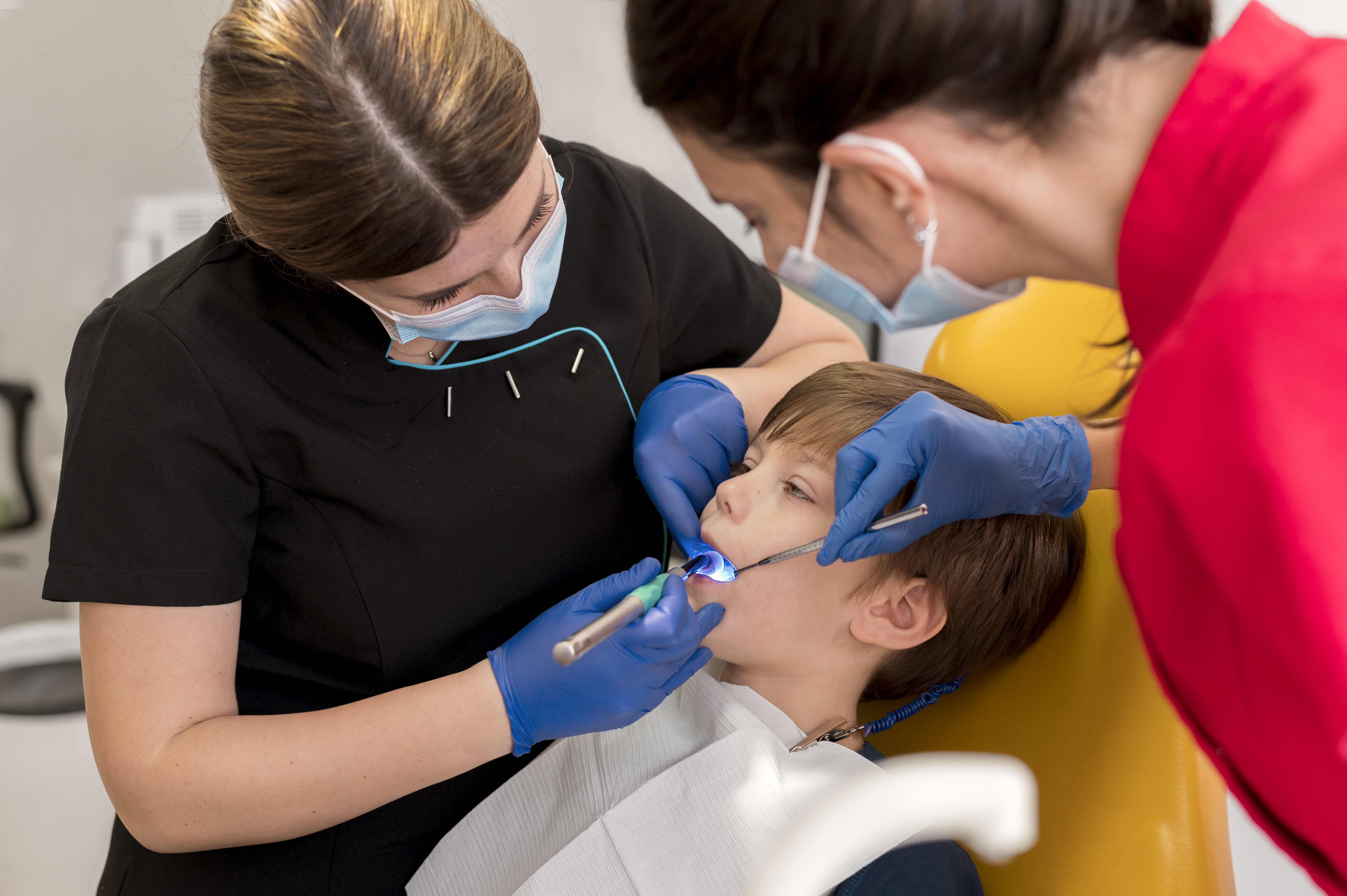
Routine visits allow the dentist to monitor developing teeth, identify cavities or other concerns early, provide preventive care, and help children become familiar with dental appointments.