
Missing teeth can affect more than the appearance of your smile. They may make chewing certain foods uncomfortable, change the way you speak, and leave you feeling less confident in everyday situations. Dental implants offer a tooth replacement option designed to restore the appearance and function of missing teeth while providing a stable foundation for a replacement tooth.
At Campbell Dental Emergency Dentist, patients can discuss tooth replacement options and learn whether dental implants may suit their oral health needs. Understanding the treatment process, healing period, and ongoing care can help you make informed decisions about restoring your smile.
What Makes Dental Implants Different From Other Tooth Replacements?
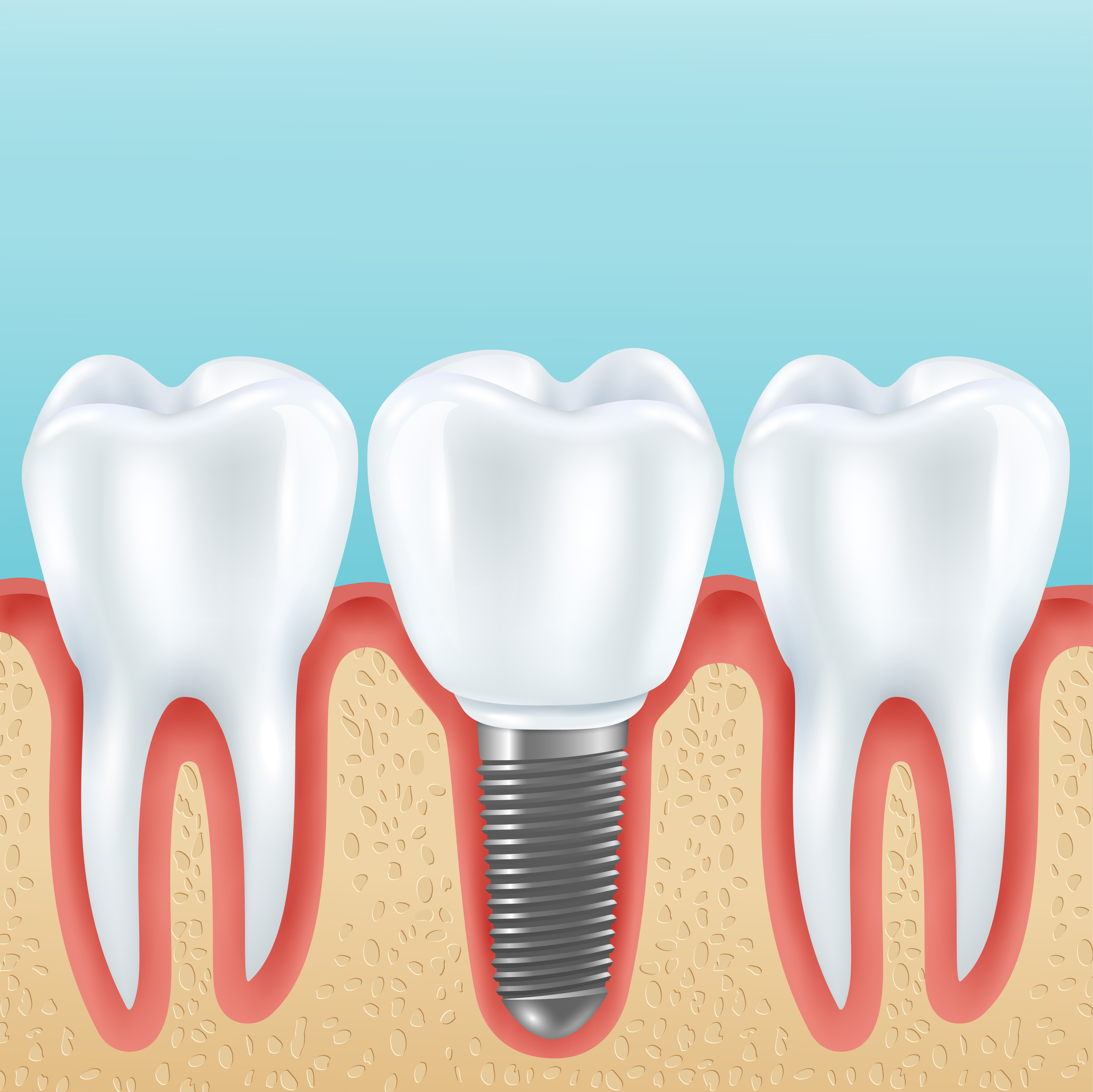
Dental implants are designed to replace the root of a missing tooth. A small implant post is placed in the jawbone, where it can gradually integrate with the surrounding bone. Once healing and treatment planning are complete, the implant can support a dental crown, bridge, or other appropriate restoration.
Unlike removable dentures, an implant-supported replacement can provide a fixed solution. However, the most appropriate choice depends on the number of missing teeth, bone health, medical history, and individual treatment goals.
Understanding the Main Components
A dental implant restoration generally includes three components:
- Implant post: The part placed in the jawbone to provide support.
- Abutment: A connector that joins the implant to the restoration.
- Dental crown: The visible replacement tooth designed to resemble a natural tooth.
Not every treatment uses the same configuration, and some restorations combine components. Your dentist can explain the design recommended for your situation.
Who May Benefit From Dental Implants?
Dental implants may be considered for adults missing one tooth, several teeth, or an entire arch. They can help restore chewing function and improve the appearance of gaps left by missing teeth.
Good candidates generally need healthy gums, sufficient jawbone support, and the ability to maintain consistent oral hygiene. Certain health conditions, medications, smoking habits, and previous dental problems may influence treatment planning.
Why a Dental Evaluation Matters
An examination allows your dental provider to assess the space left by a missing tooth, evaluate gum health, and determine whether adequate bone is available. Dental imaging may also be needed to understand the position of nearby structures.
If bone loss has occurred, additional procedures may sometimes be considered before implant placement. A personalized evaluation helps establish which options are appropriate rather than assuming every patient can receive an implant immediately.
What Happens During Dental Implant Treatment?
Dental implant treatment usually involves several stages. The overall timeline varies depending on healing, bone condition, and whether additional procedures are required.
Step One: Consultation and Planning
Your dentist reviews your dental history, examines your mouth, and discusses your expectations. Imaging and other diagnostic assessments help determine implant placement and the type of restoration needed.
Step Two: Implant Placement
The implant post is placed into the jawbone through a planned dental procedure. Appropriate anesthesia is used to help manage discomfort during treatment. Afterward, you receive instructions for protecting the surgical area and maintaining oral hygiene.
Step Three: Healing and Bone Integration
Over the following weeks or months, the implant may integrate with the surrounding bone. This process, called osseointegration, helps establish the foundation needed to support the restoration. The healing period differs between patients.
Step Four: Attaching the Replacement Tooth
Once the implant is ready, the appropriate restoration is attached. The dentist checks its fit, appearance, and bite to help ensure that it functions comfortably.
What Is Recovery Like After Implant Placement?
Some tenderness, swelling, bruising, or minor bleeding can occur after implant surgery. These effects generally improve as healing progresses, although recovery varies with the complexity of the procedure.
Follow your dentist’s instructions about prescribed medication, eating, cleaning the area, and attending follow-up appointments. Choose suitable foods during the initial healing period and avoid disturbing the surgical site.
Contact your dental provider if pain or swelling worsens, bleeding does not settle, or you develop other concerning symptoms. Severe symptoms or difficulty breathing or swallowing require urgent medical attention.
How Should You Care for Dental Implants?
Although implants are made from durable materials, the surrounding gums and bone still need attention. Inflammation around an implant can threaten the supporting tissues, so daily care remains essential.
Build a Consistent Cleaning Routine
Brush twice daily with a soft-bristled toothbrush and clean between your teeth using suitable floss or interdental tools. Your dentist may recommend specific products depending on the implant restoration.
Keep Up With Dental Checkups
Regular examinations allow your dental provider to assess the implant, gums, bite, and restoration. Professional maintenance can help identify concerns before they become more complicated.
Protect Your New Tooth
Avoid chewing extremely hard objects and using your teeth to open packaging. If you grind your teeth, ask your dentist whether a protective night guard may be appropriate.
How Long Can Dental Implants Last?
Dental implants can provide long-term tooth replacement, but their longevity is not guaranteed. Factors such as oral hygiene, gum health, smoking, medical conditions, bite forces, and regular professional care can influence their performance.
The implant itself and the crown it supports may also have different maintenance needs. Crowns can experience wear or damage over time, even when the implant remains stable.
Dental Implant Consultation in Campbell, CA
Replacing a missing tooth begins with understanding your options and determining what your oral health requires. Dental implants may offer a stable, natural-looking solution for suitable patients, but careful planning and ongoing maintenance are important parts of treatment.
Campbell Dental Emergency Dentist serves patients in Campbell, CA, and can discuss dental concerns and possible treatment options based on individual needs. Call 4159289909 to arrange an appointment and learn more about tooth replacement.
Frequently Asked Questions
Q: Are dental implants painful?
The placement procedure is performed with appropriate anesthesia to manage discomfort. Some soreness or swelling may occur afterward, and your dental provider can explain how to manage recovery.
Q: How long does dental implant treatment take?
Treatment may take several months because the implant often needs time to integrate with the jawbone. Additional procedures and individual healing patterns can affect the timeline.
Q: Can dental implants replace more than one missing tooth?
Yes. Depending on the situation, implants may support individual crowns, bridges, or full-arch restorations. The recommended design depends on the number and position of missing teeth and the patient’s oral health.
Q: How do I keep dental implants clean?
Brush twice daily, clean between your teeth and around the implant restoration, and attend regular dental checkups. Your dentist can recommend cleaning tools suited to your restoration.
Q: Are dental implants suitable for everyone?
Not necessarily. Bone support, gum health, medical history, medications, and lifestyle habits can affect eligibility. A dental examination is needed to determine whether implants are appropriate.
Q: Do dental implants require special maintenance?
Implants require consistent daily cleaning and professional monitoring. Although they do not develop cavities like natural teeth, the surrounding tissues can become inflamed or infected if they are not properly maintained.