Your oral health plays an important role in your overall well-being, and maintaining it starts with simple habits you can practice every day. Brushing, flossing, eating balanced meals, and visiting your dentist regularly all work together to keep your teeth and gums healthy.
At Campbell Dental Emergency Dentist, we provide general dentistry services designed to help patients in Campbell, CA maintain comfortable, functional, and healthy smiles. General dentistry is not only about treating problems after they appear. Preventive care helps identify concerns early, protect your natural teeth, and reduce the likelihood of more complicated dental treatment later.
Whether you need a routine cleaning, dental examination, treatment for a cavity, or guidance for improving your oral hygiene, consistent professional care can make a meaningful difference.
Why General Dentistry Is Important
Your teeth and gums are exposed to bacteria, acids, food particles, and daily wear. Even with excellent home care, areas of the mouth can be difficult to clean completely. Plaque can accumulate around the gumline and between teeth, eventually contributing to tooth decay and gum disease.
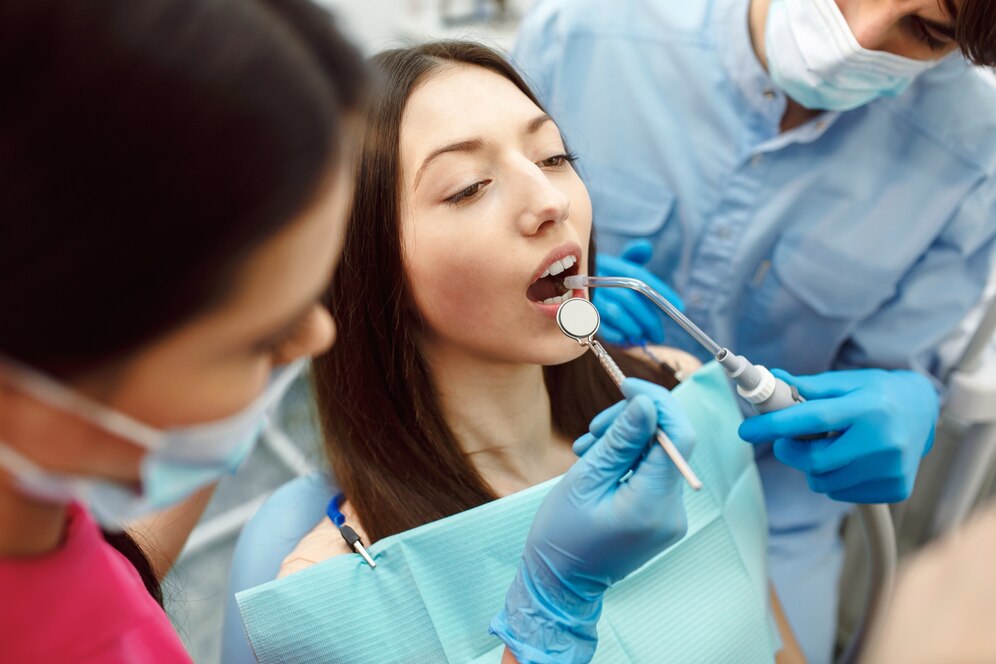
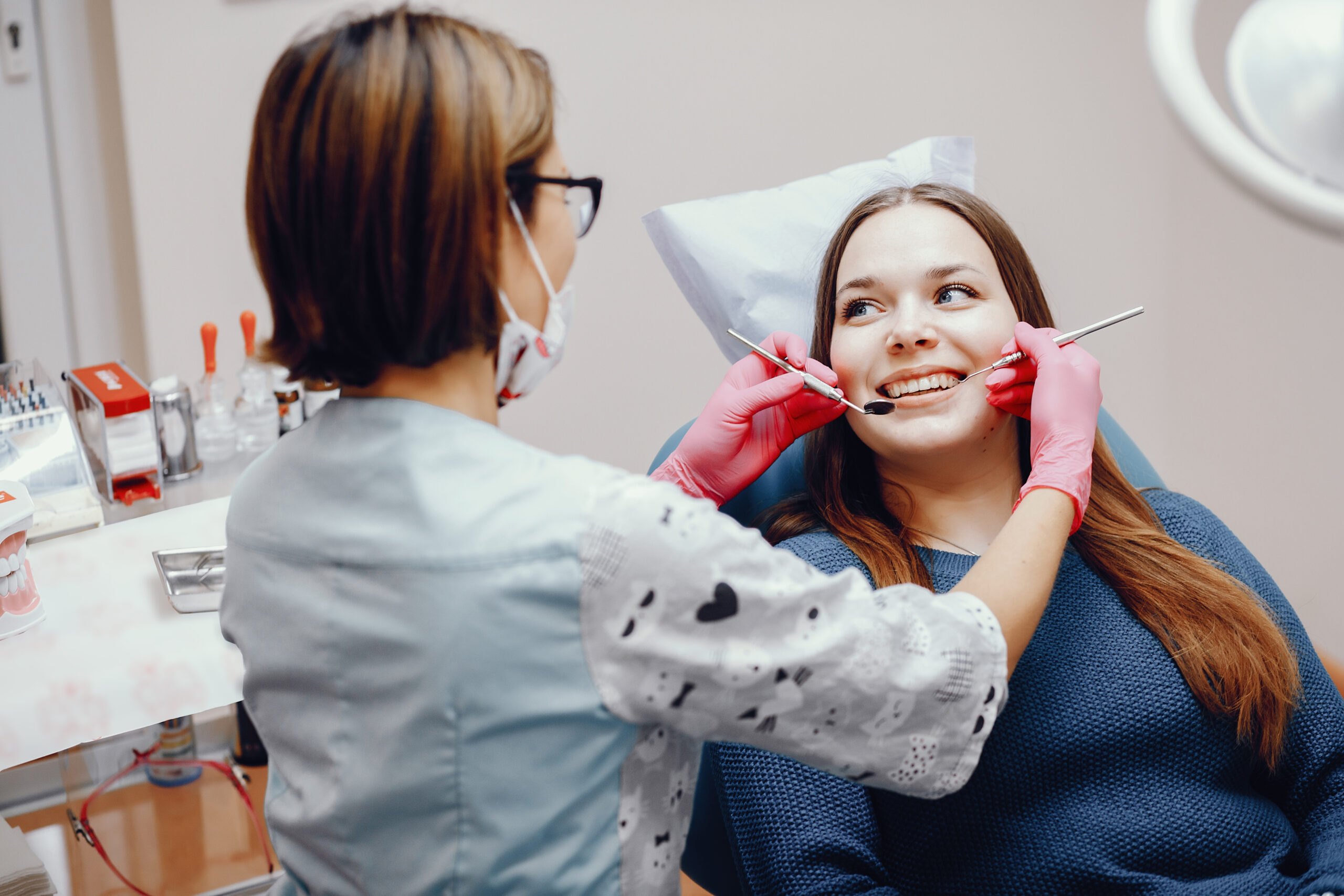
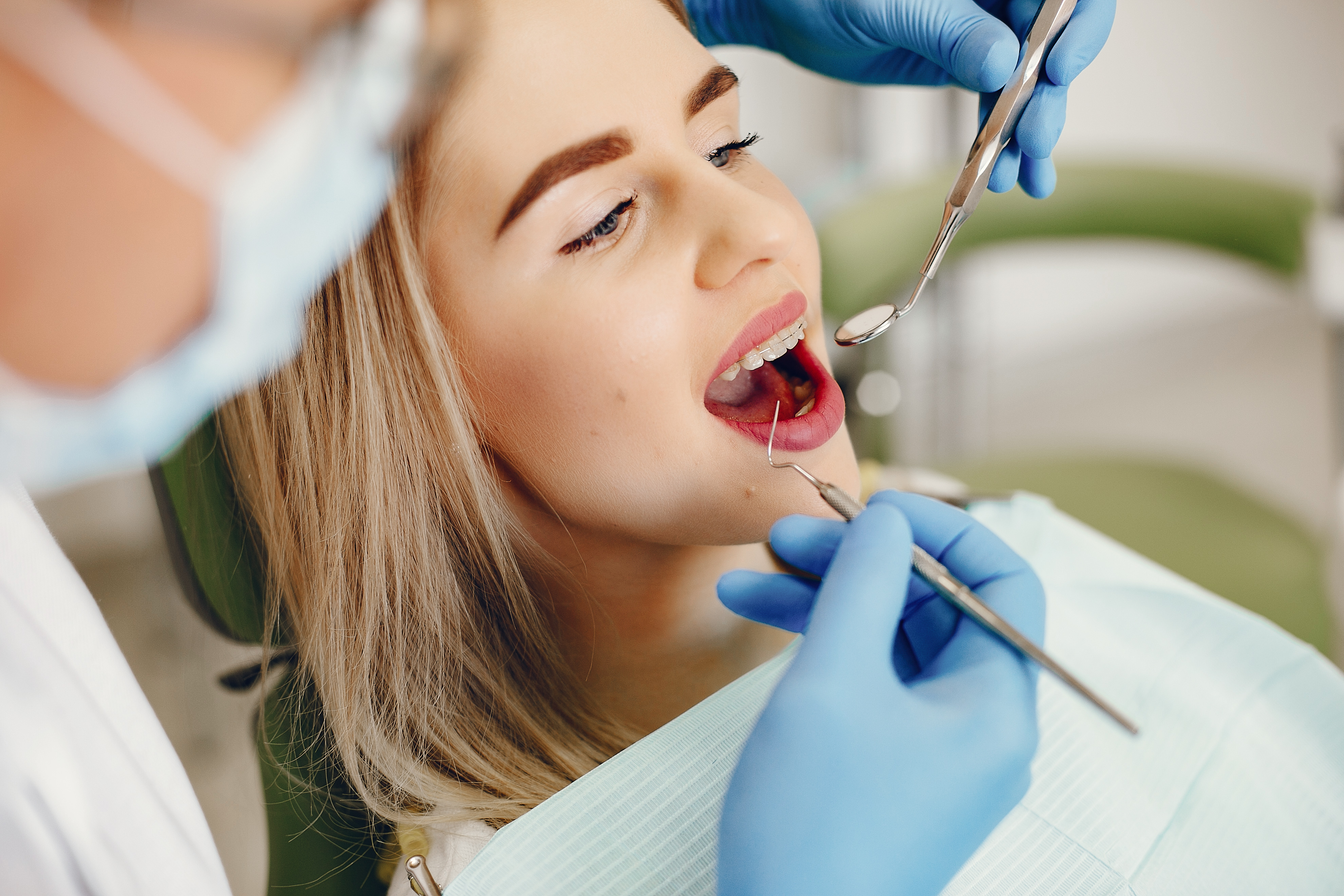
Routine general dentistry appointments allow your dentist to monitor your oral health and identify changes before they become more serious. Professional cleanings remove hardened deposits that brushing and flossing alone cannot eliminate, while examinations can help detect cavities, gum problems, worn teeth, and other concerns.
Regular dental care also gives you an opportunity to discuss sensitivity, tooth pain, bad breath, bleeding gums, or other changes you may have noticed.
Daily Habits That Protect Your Teeth
A healthy smile begins at home. Brush your teeth twice a day using a soft-bristled toothbrush and fluoride toothpaste. Spend approximately two minutes brushing and pay attention to the front, back, and chewing surfaces of every tooth.
Flossing once a day is equally important because a toothbrush cannot effectively clean the tight spaces between teeth. Gently guide the floss between your teeth and curve it around each tooth to clean along the gumline.
Drinking water throughout the day can also support oral health. Water helps wash away food particles and can help reduce the effects of acids in the mouth.
Do Not Ignore Small Dental Changes
A minor dental problem can sometimes become more difficult to manage when treatment is delayed. A small cavity, for example, may eventually affect deeper layers of the tooth if it remains untreated.
Pay attention to symptoms such as tooth sensitivity, persistent discomfort, swelling, bleeding gums, difficulty chewing, or changes in a tooth’s appearance. Seeking professional attention when something feels different can help your dentist determine the cause and recommend an appropriate solution.
If you experience sudden or severe dental discomfort, Campbell Dental Emergency Dentist can help you understand whether you need prompt dental attention.
How Preventive Visits Support Long Term Oral Health
Preventive dental appointments are an important part of general dentistry. During a routine visit, your dental team can evaluate your teeth and gums, perform professional cleaning when appropriate, and discuss ways to improve your daily oral care.
The recommended frequency of dental visits can vary depending on individual oral health needs. Patients with a history of cavities, gum problems, or other dental concerns may require more frequent monitoring.
Keeping scheduled appointments makes it easier to track changes over time and maintain your smile proactively rather than waiting until discomfort develops.
Nutrition and Your Smile
Your food and drink choices can influence your dental health. Frequently consuming sugary snacks and beverages can increase the amount of acid-producing activity in the mouth, contributing to enamel damage and tooth decay.
Choose a balanced diet that includes nutrient-rich foods such as vegetables, fruits, dairy products, lean proteins, and other foods that support overall health. Limiting frequent sugary snacks and choosing water instead of sweetened beverages can also help protect your teeth.
You do not need to eliminate every favorite food. Instead, focus on balanced choices and consistent oral hygiene.
General Dentistry Is About More Than Teeth
Healthy gums are just as important as healthy teeth. Gum inflammation can cause redness, swelling, tenderness, or bleeding. Maintaining clean teeth and gumlines through brushing, flossing, professional cleanings, and regular examinations can help support healthier gums.
General dentistry also provides an opportunity to address concerns that affect everyday comfort, including sensitivity, worn teeth, bad breath, and other oral health changes.
The goal is to preserve your natural smile while helping you maintain good oral function and comfort for years to come.
When Should You Contact a Dentist?
Do not wait for severe pain before seeking dental care. Contacting a dental professional when you notice a persistent change can make it easier to identify the underlying problem.
Prompt attention is particularly important when you experience significant tooth pain, facial swelling, a broken or damaged tooth, uncontrolled oral bleeding, or another sudden dental concern.
For dental emergencies in Campbell, CA, contact Campbell Dental Emergency Dentist at 4159289909 to discuss your symptoms and determine the appropriate next step.
Conclusion
A healthy smile is built through consistent care rather than occasional attention. Daily brushing and flossing, balanced nutrition, regular dental visits, and prompt attention to unusual symptoms can all contribute to better long-term oral health.
At Campbell Dental Emergency Dentist, our goal is to help patients in Campbell, CA maintain healthy, comfortable smiles while receiving appropriate dental care when problems arise. If you have a dental concern or need professional guidance, call 4159289909 to learn more about your dental care options.
Frequently Asked Questions
1. What does general dentistry include?
General dentistry focuses on the prevention, diagnosis, and treatment of common oral health concerns. Services may include dental examinations, professional cleanings, cavity treatment, gum care, restorative procedures, and other routine dental services.
2. How often should I visit the dentist?
Many patients benefit from regular dental visits every six months, but your ideal schedule depends on your individual oral health. Your dentist can recommend an appointment frequency based on your specific needs.
3. Why is flossing important if I brush twice a day?
Brushing cleans many accessible tooth surfaces, while flossing helps remove plaque and debris from between teeth and beneath the gumline. Using both methods provides more comprehensive daily cleaning.
4. When is a tooth problem considered a dental emergency?
Severe tooth pain, significant swelling, a knocked-out tooth, serious dental trauma, or uncontrolled bleeding can require urgent dental attention. If you experience a sudden or serious dental problem, contact a dental professional promptly.
5. Can regular dental visits prevent cavities?
Regular visits cannot guarantee that cavities will never develop, but professional examinations and cleanings can help identify risk factors and detect early problems. Combined with fluoride toothpaste, brushing, flossing, and healthy dietary habits, preventive dental care can significantly support cavity prevention.