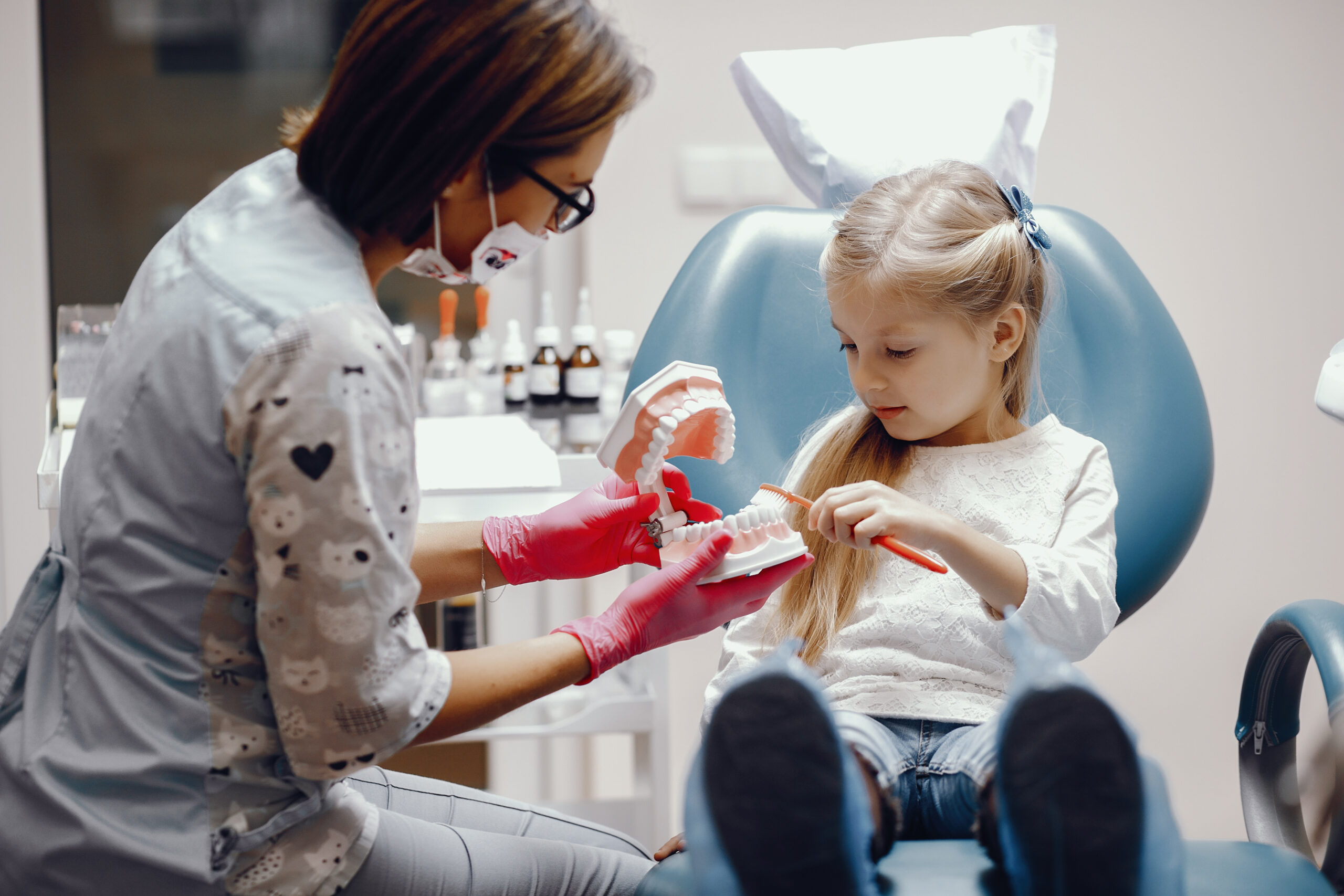
A child’s first dental experiences can shape how they feel about oral care for years to come. From the appearance of their first baby teeth to the arrival of permanent teeth, children need age-appropriate dental attention to support healthy growth and development. Pediatric dentistry focuses on more than simply treating cavities. It helps children establish good brushing habits, protect developing teeth, monitor oral development, and feel comfortable receiving professional dental care.
At Campbell Dental Emergency Dentist, families in Campbell, CA, can receive attentive dental care designed around the unique needs of children. Whether your child needs a routine dental checkup, preventive care, or prompt attention for a dental concern, our team is committed to providing a comfortable and supportive experience. To learn more or schedule an appointment, call 4159289909.
Why Is Pediatric Dental Care Important From an Early Age?
Baby teeth may eventually fall out, but they play an important role while they are present. Healthy primary teeth help children chew food, speak clearly, and maintain appropriate space for permanent teeth. Untreated cavities or dental infections can interfere with these everyday functions and may create unnecessary discomfort.
Regular pediatric dental visits allow potential problems to be identified before they become more complicated. Dentists can monitor tooth development, examine the gums, check the alignment of emerging teeth, and provide parents with practical guidance for maintaining good oral hygiene at home.
Early visits can also help children become familiar with the dental environment. When dental appointments are introduced as a normal part of their routine, children may become more comfortable with examinations and preventive care.
What Services Are Included in Pediatric Dentistry?
Children have different dental needs at different stages of development. A comprehensive pediatric dentistry approach adapts care according to the child’s age, oral health, and individual circumstances.
Routine Dental Examinations
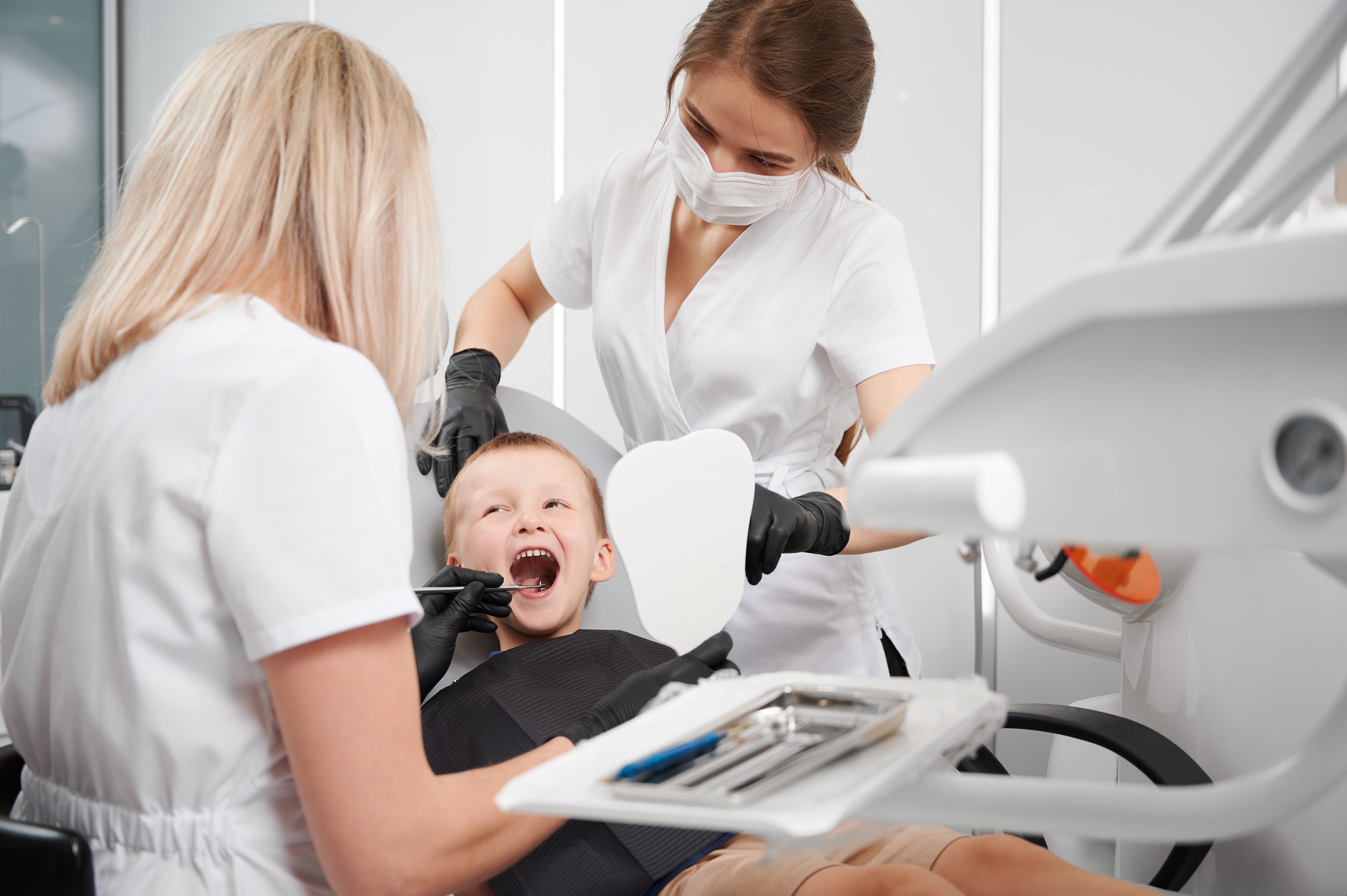
Regular examinations give the dental team an opportunity to evaluate the condition of the teeth and gums. These visits can help identify early signs of decay, enamel concerns, bite development issues, or other oral health changes.
Professional Dental Cleanings
Even children who brush regularly can develop plaque in areas that are difficult to clean effectively. Professional cleanings help remove accumulated plaque and provide an opportunity to reinforce proper brushing and flossing techniques.
Cavity Prevention
Children can be particularly vulnerable to tooth decay because of developing brushing skills, frequent snacking, and sugary foods or drinks. Preventive guidance can help families establish healthier routines and reduce the risk of cavities.
Fluoride Protection
When appropriate, fluoride treatments can provide additional protection for developing teeth. Fluoride helps strengthen tooth enamel and can make teeth more resistant to acid-related damage that contributes to cavities.
Dental Sealants
Dental sealants can protect the grooves and pits on the chewing surfaces of back teeth. These areas can be challenging to clean thoroughly, making them common locations for food and plaque accumulation.
How Can Parents Help Protect Their Child’s Smile?
Dental care does not end when the appointment is over. Daily habits at home have a major influence on a child’s oral health. Parents should encourage children to brush twice each day using an age-appropriate toothbrush and fluoride toothpaste. Young children may need assistance or supervision until they develop the coordination required to brush effectively.
Flossing should also be introduced when teeth begin touching each other. Parents can help children make oral hygiene enjoyable by establishing consistent routines rather than treating brushing as a chore.
A balanced diet is another important part of dental health. Limiting frequent sugary snacks and drinks can reduce repeated acid attacks on tooth enamel. Drinking water throughout the day can also support a healthier oral environment.
What Should You Do If Your Child Has a Dental Emergency?
Children can experience dental emergencies during sports, playground activities, accidents, or everyday situations. A knocked-out permanent tooth, chipped tooth, severe toothache, facial swelling, or dental injury should receive prompt professional attention.
Parents should remain calm and contact a dental professional for guidance. If a dental injury involves significant facial trauma, uncontrolled bleeding, difficulty breathing, or other serious symptoms, emergency medical care may be necessary.
At Campbell Dental Emergency Dentist, families can contact 4159289909 when they need guidance regarding an urgent dental concern in Campbell, CA.
Creating Positive Dental Experiences for Children
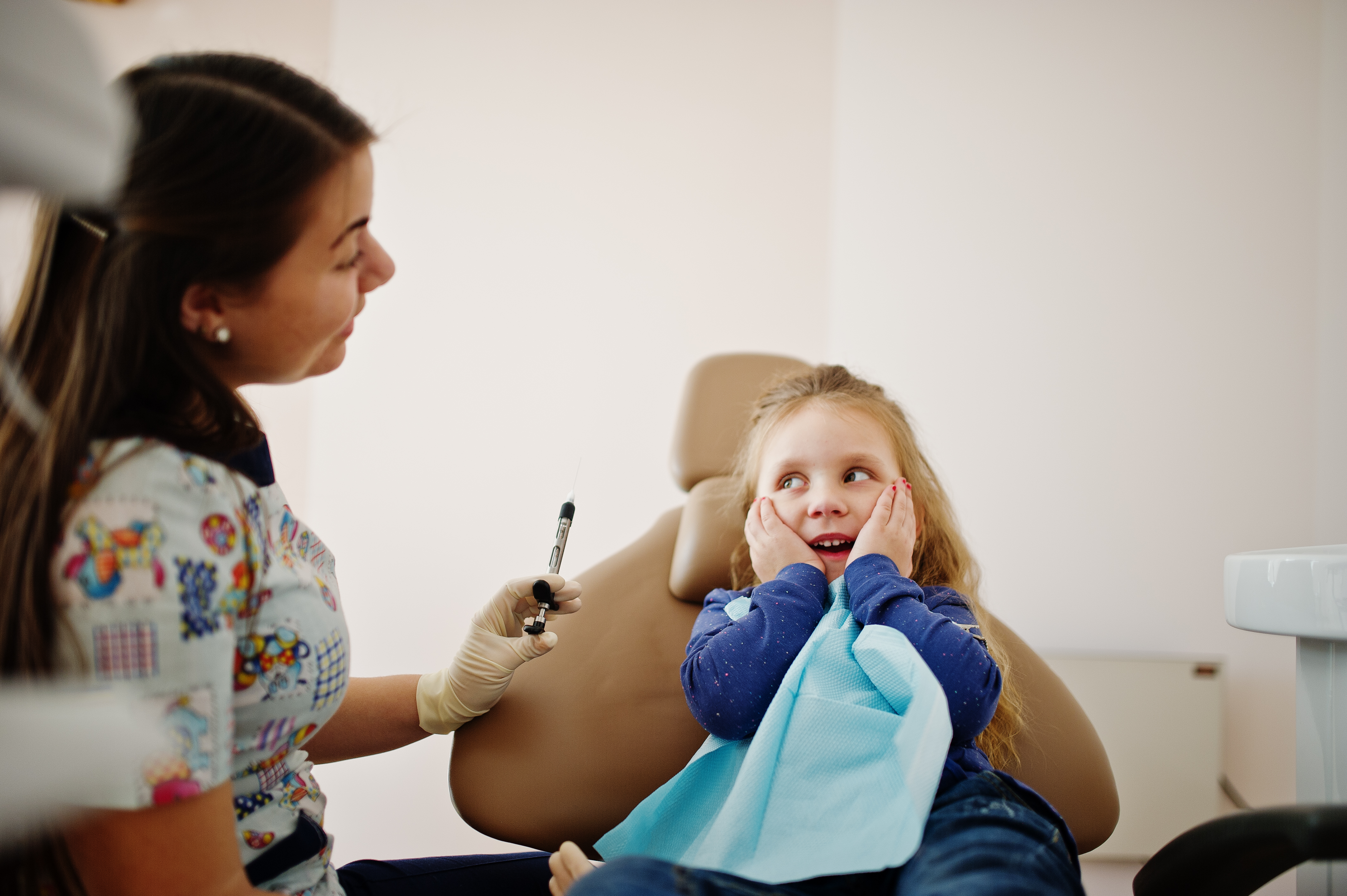
A child-friendly dental experience should focus on communication, patience, and reassurance. Children may feel nervous about unfamiliar instruments, sounds, or procedures. Explaining treatment in simple, age-appropriate language can help them understand what to expect.
Parents can also support positive dental habits by avoiding frightening descriptions of dental procedures and presenting appointments as a normal part of staying healthy. Consistent preventive visits can help children build familiarity and confidence over time.
Give Your Child a Strong Start to Lifelong Oral Health
Pediatric dentistry provides children with the foundation they need for healthy teeth and gums as they grow. Preventive examinations, professional cleanings, fluoride protection, sealants, oral hygiene education, and timely treatment can all contribute to a healthier smile.
If your child needs a dental examination or you have concerns about their oral health, Campbell Dental Emergency Dentist is here to help families in Campbell, CA. Call 4159289909 to discuss your child’s dental needs and schedule an appropriate appointment.
Frequently Asked Questions
When should a child have their first dental visit?
A child’s first dental visit should generally occur when the first tooth appears or by the child’s first birthday. Early visits allow the dentist to monitor development and provide parents with preventive guidance.
How often should children visit the dentist?
Many children benefit from dental examinations approximately every six months. However, the appropriate schedule can vary depending on the child’s oral health, cavity risk, and individual needs.
Are baby teeth really important if they eventually fall out?
Yes. Baby teeth support chewing and speech development and help maintain space for permanent teeth. Keeping them healthy can also help prevent unnecessary pain and dental complications.
How can I help my child prevent cavities?
Encourage twice-daily brushing with fluoride toothpaste, introduce flossing when teeth touch, limit frequent sugary snacks and drinks, and maintain regular dental visits.
What should I do if my child chips or injures a tooth?
Contact a dental professional promptly for advice. The appropriate response depends on the type and severity of the injury and whether the affected tooth is a baby or permanent tooth.
Can children receive dental care if they are nervous?
Yes. Pediatric dental care should be approached with patience and age-appropriate communication. Discussing concerns with the dental team beforehand can help create a more comfortable experience.