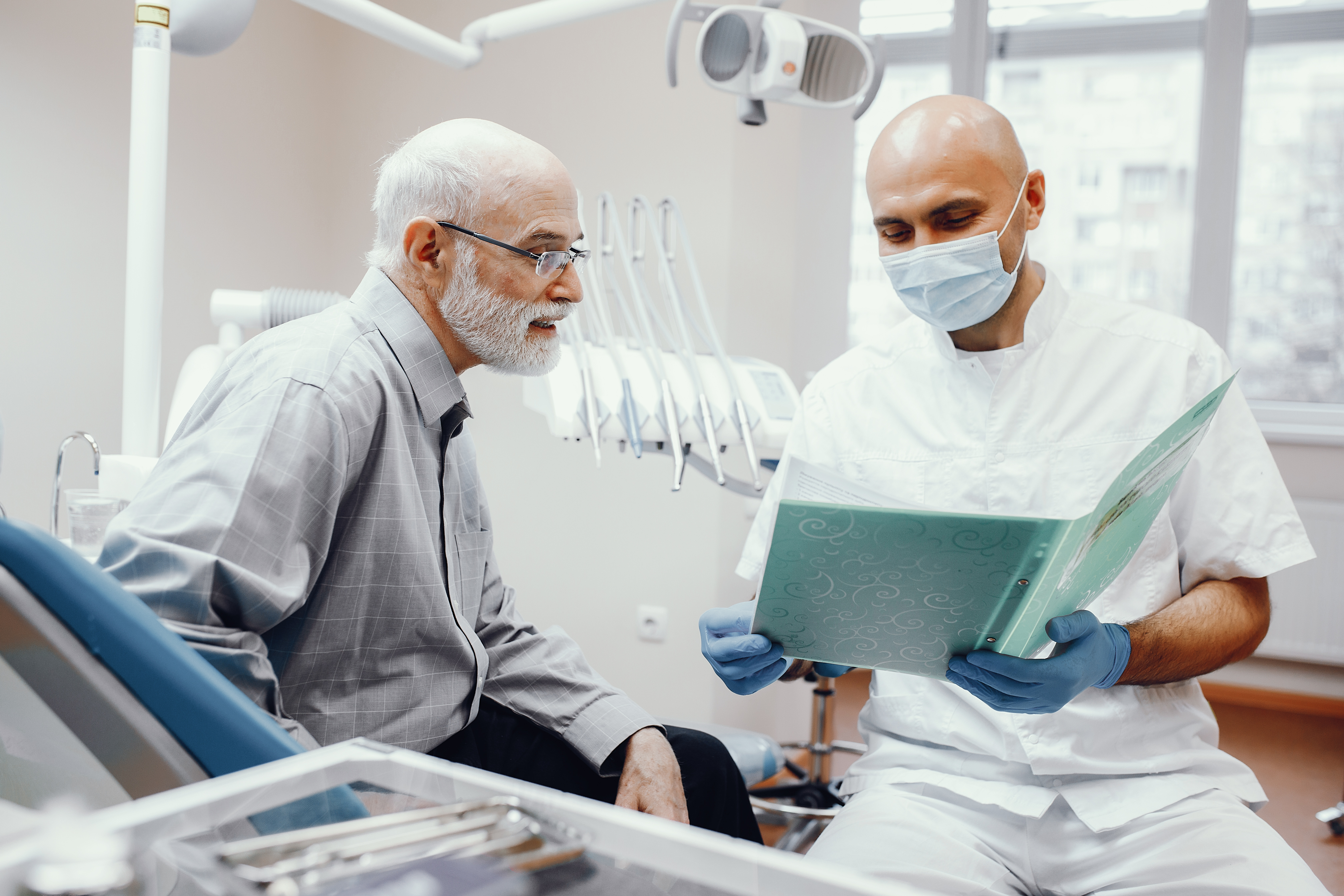

At Campbell Dental Emergency Dentist, we understand that losing a tooth can affect more than the appearance of your smile. Missing teeth may make chewing more difficult, affect speech, and change the way you feel about your smile. Dental implants offer a long-term tooth replacement option designed to replace missing teeth while supporting a natural-looking and functional smile. For patients in Campbell, CA, understanding how dental implants work can help you make informed decisions about restoring your oral health.
Understanding Dental Implants
A dental implant is a small post, commonly made from titanium or another biocompatible material, that is placed into the jawbone to serve as a replacement for a missing tooth root. After the implant has healed and integrated with the surrounding bone, it can support a dental restoration such as a crown.
Unlike removable dentures that rest on the gums, dental implants are designed to become anchored within the jawbone. This provides a stable foundation for replacing one or more missing teeth.
Why Replacing Missing Teeth Matters
A missing tooth can affect everyday activities such as eating and speaking. Depending on its location and the number of missing teeth, tooth loss may also affect the balance and appearance of your smile.
Replacing a missing tooth can help restore your ability to chew comfortably and provide support for the surrounding dental structures. Dental implants may also help preserve the jawbone in the area of tooth loss because the implant provides stimulation to the bone.
The Main Components of an Implant Restoration
A dental implant restoration typically consists of several components that work together.
- Implant Post: The implant is placed into the jawbone and serves as an artificial tooth root.
- Abutment: This component connects the implant to the final dental restoration.
- Dental Crown: The visible portion of the replacement tooth is designed to restore the appearance and function of the missing tooth.
For patients replacing multiple teeth, different implant-supported restoration options may be considered depending on their individual circumstances.
The Dental Implant Process
Dental implant treatment generally involves several stages rather than being completed in a single appointment.
Initial Evaluation
Your dentist first evaluates your teeth, gums, jawbone, and overall oral health. Dental imaging may be recommended to assess the bone and determine whether there is adequate support for implant placement.
Implant Placement
During the implant procedure, the implant post is positioned within the jawbone. The area then requires time to heal as the implant integrates with the surrounding bone.
Healing and Integration
The healing period varies between patients. During this stage, the implant gradually becomes more securely integrated with the jawbone.
Attaching the Restoration
Once the implant has sufficiently healed, an abutment and dental crown or another appropriate restoration can be attached. The completed restoration is designed to provide a functional and natural-looking replacement for the missing tooth.
Are You a Candidate for Dental Implants?
Dental implants can be an excellent option for many adults with missing teeth, but candidacy depends on several factors. Your dentist may consider the health of your gums, available jawbone, existing dental conditions, medical history, and ability to maintain good oral hygiene.
Patients with insufficient bone volume may sometimes require additional procedures before implant placement. If gum disease or tooth decay is present, those conditions may also need to be addressed first.
A comprehensive evaluation is therefore essential before determining whether dental implants are appropriate.
Caring for Dental Implants
Although dental implants are designed to provide a durable tooth replacement, they still require consistent care. Brush your teeth twice daily with fluoride toothpaste and clean between your teeth regularly.
Professional dental examinations and cleanings are also important. Your dental team can monitor the implant, surrounding gums, and restoration and identify potential concerns early.
Avoid using your teeth to open packages or bite extremely hard objects, as excessive force can damage natural teeth as well as dental restorations.
Benefits of Dental Implants
For suitable patients, dental implants can provide several advantages:
- Stable Tooth Replacement: Implants are anchored within the jawbone rather than simply resting on the gums.
- Natural-Looking Appearance: A carefully designed crown can be made to complement the surrounding teeth.
- Restored Chewing Ability: Replacing a missing tooth can make eating more comfortable.
- Support for Jawbone Health: Implant placement can help reduce the bone loss that commonly occurs after tooth loss.
- Long-Term Solution: With proper care and regular dental maintenance, implants can provide long-lasting tooth replacement.
Restoring Your Smile in Campbell, CA
Tooth loss does not have to mean living with gaps in your smile or struggling with everyday activities. Dental implants can provide a stable foundation for replacing missing teeth while helping restore both appearance and function.
At Campbell Dental Emergency Dentist, we help patients in Campbell, CA understand their tooth replacement options and determine which solutions may be appropriate for their needs. If you have lost a tooth or are considering dental implants, a professional evaluation can help you understand the next steps.
Contact 4159289909 to discuss your dental concerns and learn more about dental implant treatment.
Frequently Asked Questions
1. What is a dental implant?
A dental implant is a post placed into the jawbone to replace the root portion of a missing tooth. It can support an abutment and dental crown or another type of restoration.
2. How long does dental implant treatment take?
Treatment time varies depending on the patient’s oral health, healing process, bone availability, and whether additional procedures are required. Your dentist can provide a more personalized timeline following an evaluation.
3. Are dental implants painful?
Implant placement is performed using appropriate anesthesia to keep the procedure comfortable. Some soreness or swelling can occur afterward, and your dental provider will provide instructions for managing the recovery period.
4. Can dental implants replace multiple missing teeth?
Yes. Dental implants can be used in different treatment configurations to replace multiple missing teeth. The appropriate approach depends on the number and location of missing teeth and the condition of your jawbone and gums.
5. How do I care for dental implants?
Care for implants involves regular brushing, cleaning between teeth, professional dental visits, and following your dentist’s recommendations. Maintaining healthy gums is particularly important for protecting the tissues around an implant.
6. Is everyone eligible for dental implants?
Not necessarily. Adequate bone support, healthy gums, good oral hygiene, and overall health are among the factors considered when evaluating implant candidacy. Additional treatment may sometimes be recommended before implant placement.