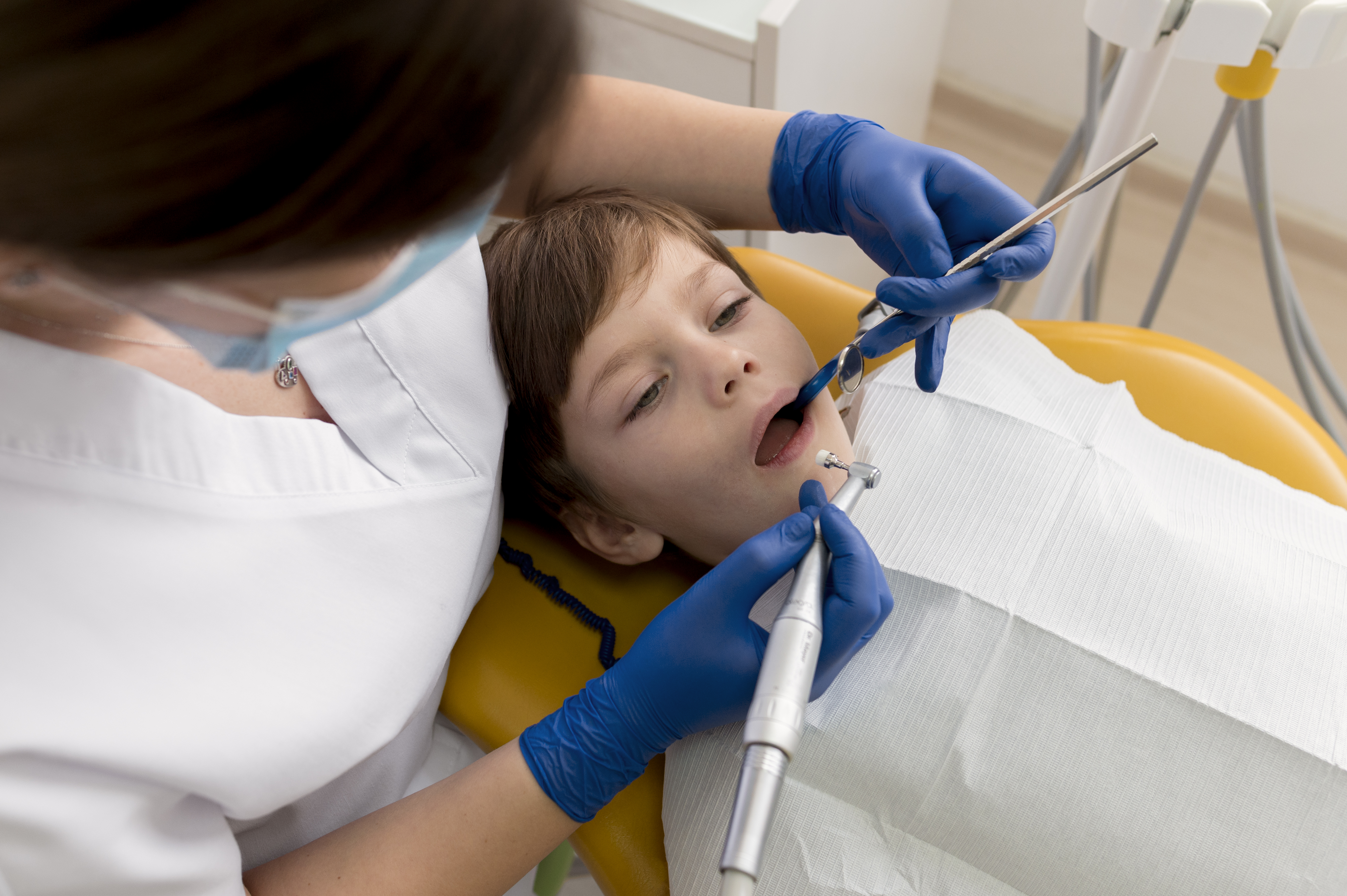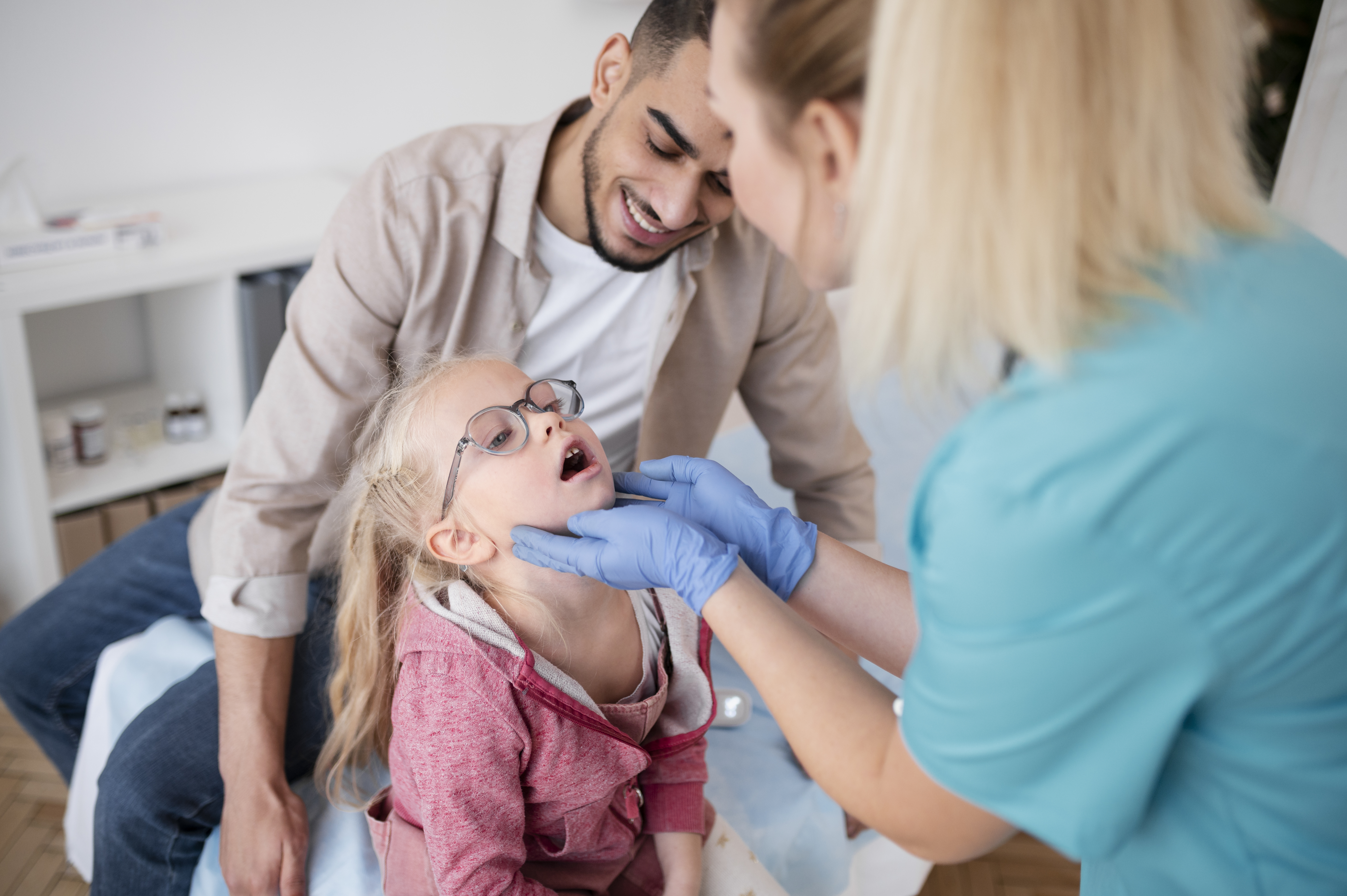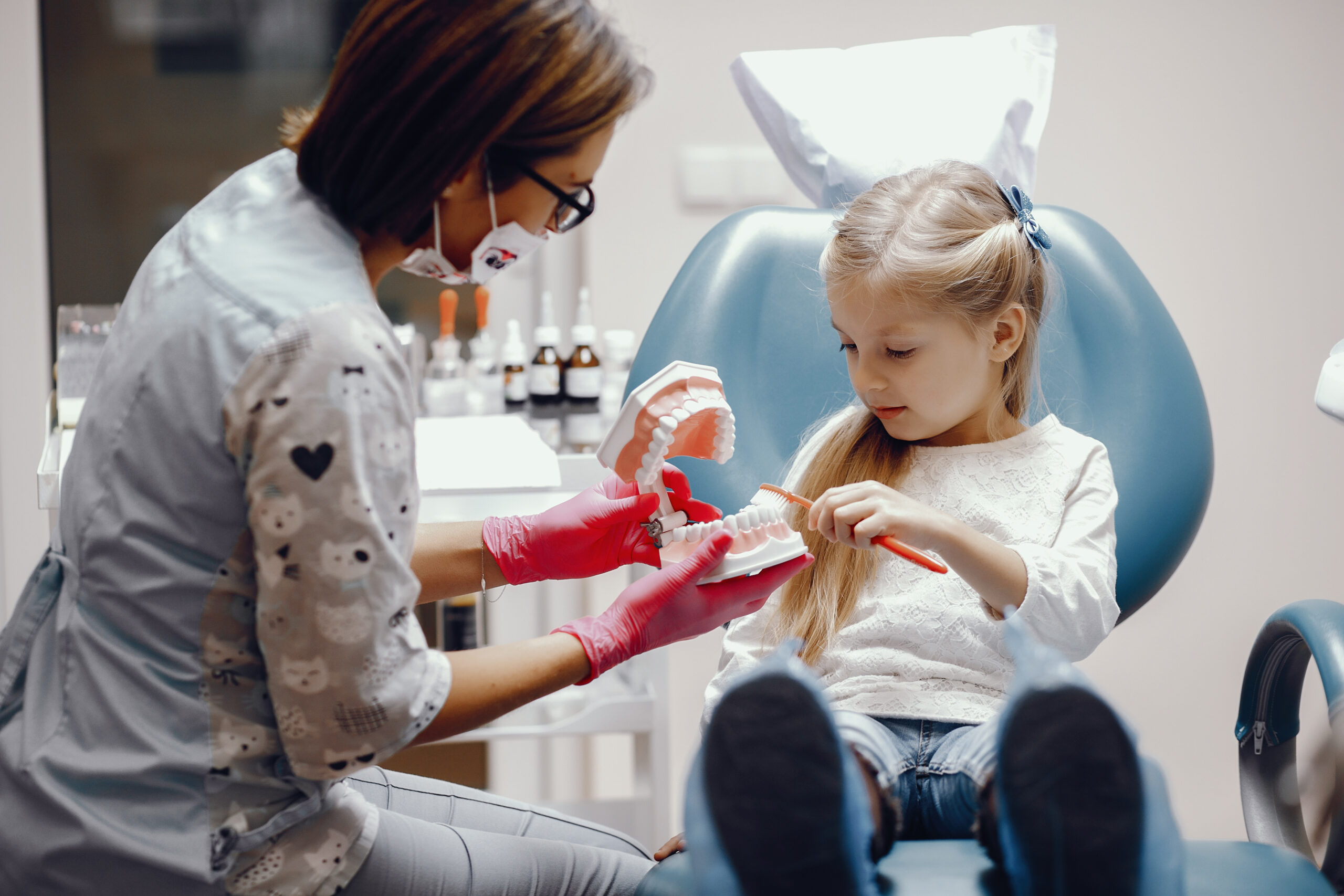
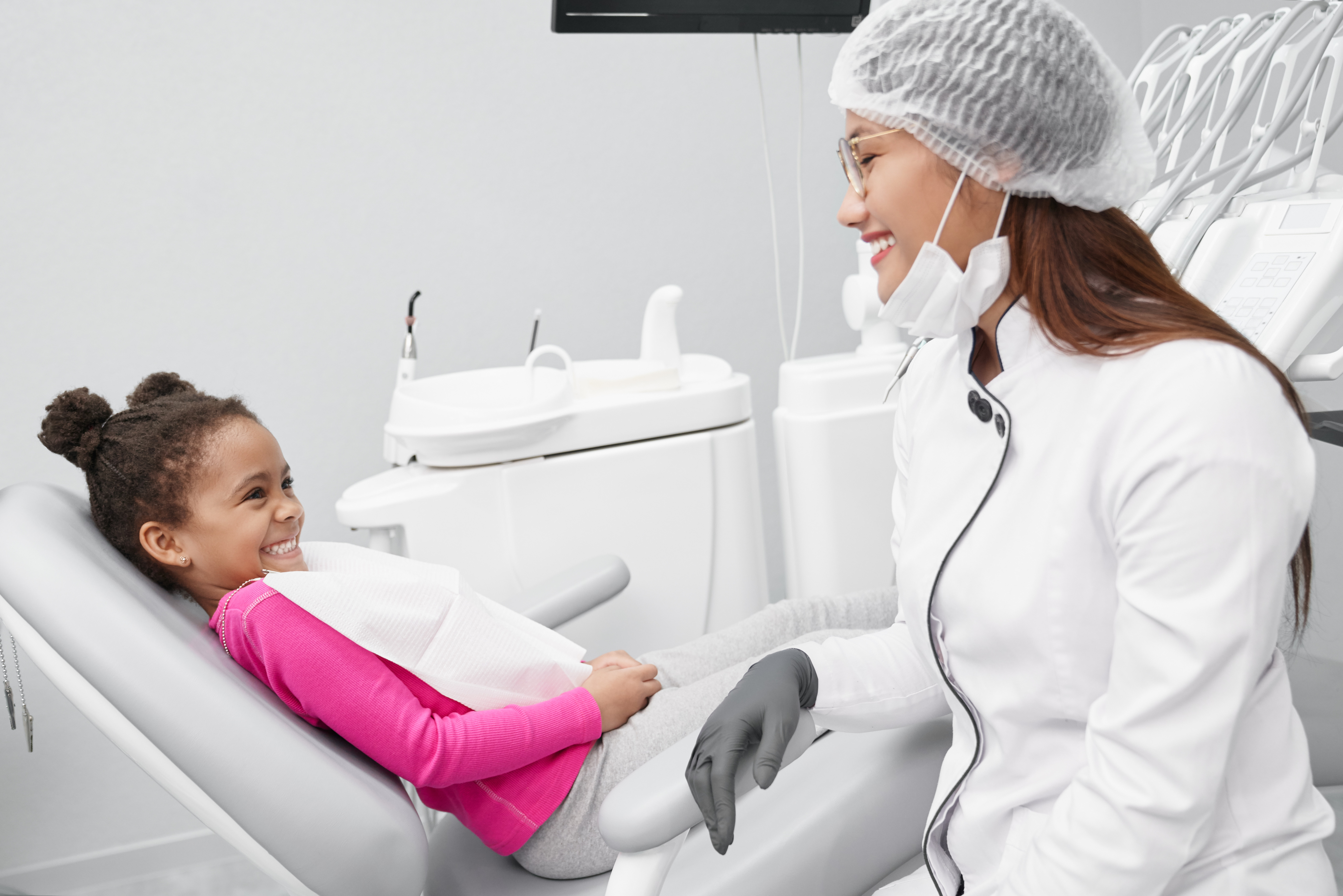
Helping a child develop good dental habits is about more than reminding them to brush. Early oral care teaches children how to look after their teeth, recognize healthy routines, and feel comfortable receiving professional dental care.
Baby teeth help children chew food, speak clearly, and maintain space for developing permanent teeth. That makes caring for them important even though they will eventually be replaced. With consistent home care and regular pediatric dental visits, parents can give their children a strong foundation for lifelong oral health.
When Should Children Start Seeing a Dentist?
A child’s first dental visit should happen early rather than waiting until a tooth hurts. The American Academy of Pediatric Dentistry recommends that children establish a dental home by their first birthday or within six months after the first tooth appears.
Early visits allow a dental professional to monitor how the mouth is developing and give parents guidance about brushing, nutrition, fluoride, and habits that may affect oral health.
For families seeking pediatric dental care in Campbell, CA, starting early can also help children become familiar with the dental environment before they need more involved treatment.
Why Baby Teeth Need Proper Care
It can be tempting to think that cavities in baby teeth are not a major concern because those teeth eventually fall out. However, untreated decay can cause pain and interfere with eating, sleeping, speaking, and daily activities.
Healthy primary teeth also help preserve appropriate space for permanent teeth. Maintaining them until they naturally loosen and fall out is therefore an important part of childhood dental care.
Protecting the first teeth
Parents can help protect baby teeth by:
- Brushing twice each day with an age-appropriate amount of fluoride toothpaste
- Cleaning between teeth when spaces are closed
- Limiting frequent sugary snacks and drinks
- Encouraging water between meals
- Scheduling routine dental examinations
Small habits practiced consistently can make daily dental care much easier as children grow.
How Can You Make Brushing Easier for Children?
Children do not always understand why brushing matters, and some may resist having their teeth cleaned. Turning the routine into something predictable can help.
Let children participate
Allow your child to choose a toothbrush with a favorite color or character. Giving them a small amount of control can make brushing feel less like a chore.
You can also let them brush first and then take over to make sure every area is cleaned properly. Young children generally need assistance because they may not yet have the coordination required to brush thoroughly.
Create a consistent routine
Brushing at approximately the same times each morning and evening can make it part of the child’s normal schedule.
Try pairing brushing with another familiar activity, such as getting ready for bed. A predictable sequence can reduce arguments and help children understand that dental care is simply part of their daily routine.
What Foods Are Better for Children’s Teeth?
Nutrition plays an important role in pediatric oral health. Children need nutritious meals for growth, but frequent exposure to sugary foods and beverages can increase the risk of tooth decay.
Instead of focusing only on individual foods, consider how often your child eats or drinks items containing added sugars.
Simple choices that support oral health
Water is a good everyday beverage between meals. Nutritious foods such as vegetables, fruits, dairy products, and other balanced meal choices can fit into a healthy diet.
Sticky candies and frequent sugary snacks can remain around the teeth for longer periods. Saving sweets for occasional situations rather than allowing repeated snacking throughout the day can help reduce repeated acid exposure.
What Are Common Childhood Dental Habits to Watch?
Some childhood habits are normal during early development but may require attention if they continue for too long.
Thumb sucking and pacifier use
Thumb sucking and pacifier use can be comforting for babies and young children. However, prolonged habits may influence the position of developing teeth or the growth of the mouth.
Parents should discuss persistent thumb sucking or pacifier use with their child’s dentist. The appropriate approach depends on the child’s age, development, and individual circumstances.
Teeth grinding
Some children grind or clench their teeth, particularly during sleep. Occasional grinding may not cause a serious problem, but frequent or forceful grinding can contribute to tooth wear or jaw discomfort.
If you notice regular grinding, mention it during your child’s dental appointment so the dental team can evaluate the situation.
How Can You Help Your Child Feel Comfortable at the Dentist?
A child’s attitude toward dental visits can be influenced by how adults describe them. Using simple, positive language can make appointments feel more familiar.
Avoid using frightening words or sharing stories about unpleasant dental experiences. Instead, explain that the dentist will look at their teeth and help keep their smile healthy.
Parents can also bring a favorite comfort item when appropriate and maintain a calm attitude during the appointment.
Dental Protection for Active Children
Children who participate in sports and recreational activities may face a greater risk of dental injuries. A properly fitted mouthguard can help protect the teeth during activities where contact or falls are possible.
If your child plays a sport that involves physical contact, ask the dental team whether a mouthguard would be appropriate.
Parents should also know what to do if a dental injury occurs. A knocked-out permanent tooth requires prompt dental attention, while an injured baby tooth should also be evaluated to determine whether the developing permanent tooth could be affected.
When Should Parents Call a Dentist?
Not every dental concern causes obvious pain at first. Parents should pay attention to changes in their child’s mouth and behavior.
Contact a dental professional if your child experiences:
- Persistent toothache
- Swollen or bleeding gums
- Sensitivity to hot or cold foods
- Visible spots or holes on teeth
- Difficulty chewing
- A chipped or broken tooth
- Facial or mouth swelling
- A dental injury
- Persistent bad breath
For urgent dental concerns, families can contact Campbell Dental Emergency Dentist at 415-928-9909 to discuss the situation and determine the appropriate next step.
Building a Positive Dental Routine at Home
Good pediatric dental care does not require complicated routines. Children benefit most when parents make oral hygiene consistent, age-appropriate, and easy to understand.
Brush together, encourage healthy food choices, schedule regular dental visits, and pay attention to changes in your child’s teeth and gums. As children grow, gradually allow them to take more responsibility while continuing to supervise their brushing when necessary.
The habits children learn early can become part of their everyday lives for years to come. Making dental care familiar from the beginning can help children approach their oral health with greater confidence as they grow.
Frequently Asked Questions
When should my child have their first dental visit?
Children should establish a dental home by their first birthday or within six months after their first tooth appears. Early visits allow the dental team to monitor development and provide parents with preventive-care guidance.
How often should children visit the dentist?
The appropriate schedule depends on the child’s individual oral health and risk factors. Regular examinations allow the dental team to monitor developing teeth and identify potential concerns early.
Should children use fluoride toothpaste?
Fluoride toothpaste is commonly recommended for children, but the amount should be appropriate for the child’s age. Parents should follow guidance from their child’s dental professional regarding brushing and fluoride use.
Why are baby teeth important if they eventually fall out?
Baby teeth help children chew and speak and maintain space for developing permanent teeth. Keeping them healthy can help prevent unnecessary discomfort and other complications.
What should I do if my child’s tooth is knocked out?
A knocked-out permanent tooth requires prompt dental attention. Contact a dental professional immediately for guidance. A knocked-out baby tooth should also be evaluated because the injury may affect the developing permanent tooth.
How can I make my child less afraid of the dentist?
Use simple, positive language when discussing dental visits and avoid sharing frightening dental stories. Starting routine visits early can also help children become familiar with the dental environment before urgent treatment is needed.